Stroke survivors get FDA-approved daily pill shown to cut repeat risk by 26%

The FDA has approved Sunharbo (asundexian) to reduce the risks of a recurring stroke in some adults.
The medication is taken as one 50-mg pill each day, along with standard blood-clot-preventing medicine, such as aspirin.
It is designed to lower the risk of another stroke in adults who recently had a stroke caused by a blood clot (not a heart-related clot) or a mini-stroke (transient ischemic attack, or TIA), which is a temporary interruption of blood flow to the brain, according to the FDA release.
HEALTHY RUNNER SUFFERS SUDDEN STROKE AT 27 AS DOCTORS DISCOVER POSSIBLE CAUSE
Sunharbo is the first medication of its kind to block a specific protein in the blood (factor XIa) that helps blood clots form.
"This blocks a very specific protein that’s part of the cascade of blood clotting," Dr. Richard Kovacs, a cardiologist at Indiana University School of Medicine and chief medical officer of the American College of Cardiology, told Fox News Digital.
The FDA has approved Sunharbo (asundexian) to reduce the risks of a recurring stroke in some adults. (iStock)
Approval followed a phase 3 randomized trial involving 12,327 patients across 37 countries, all of whom had a recent non-cardioembolic ischemic stroke or high-risk TIA.
Among those who took 50 mg of asundexian orally once daily plus antiplatelet therapy for a period of 14.2 months, there was a 26% relative reduction in ischemic stroke compared to groups who took a placebo along with antiplatelet therapy.
COMMON HEART PILL UNDER SCRUTINY FOR OLDER PATIENTS AS STUDY WEIGHS RISKS OF STOPPING
Although there was not a significant overall increase in major bleeding, the risk of that side effect was higher in certain subgroups. However, gastrointestinal bleeding was more common with asundexian, and major bleeding was increased among patients older than 75 during the first 90 days.
Patients who took asundexian also had a lower risk of stroke, heart attack or death compared with those who received a placebo.

The medication is designed to lower the risk of another stroke in adults who recently had a stroke caused by a blood clot or a mini-stroke (transient ischemic attack, or TIA), which is a temporary interruption of blood flow to the brain. (iStock)
About 6.6% of patients taking asundexian experienced a stroke, compared with 8.8% in the placebo group.
"So it doesn’t completely eliminate the risk of a second stroke," Kovacs said.
EVEN OCCASIONAL MARIJUANA USE LINKED TO HIGHER STROKE RISK, STUDY FINDS
The risk of death from heart-related causes, heart attack or stroke was also lower among patients taking asundexian (9.2% versus 11.1%).
Similarly, 10.5% of patients taking the medication experienced death from any cause, compared with 12.3% of those receiving a placebo.
"This drug is not for patients who have had strokes due to atrial fibrillation or due to a valve problem in their heart."
The findings were published in The New England Journal of Medicine on Nov. 9.
The trial, which was funded by Bayer, the manufacturer of asundexian, had several limitations.
CLICK HERE FOR MORE HEALTH STORIES
Because patients were treated for an average of about 14 months, long-term safety and effectiveness of the medication are unclear.
The study also excluded patients with certain heart conditions and those with more severe strokes.

About 6.6% of patients taking asundexian experienced a stroke, compared with 8.8% in the placebo group. (iStock)
"Importantly, this drug is not for patients who have had strokes due to atrial fibrillation or due to a valve problem in their heart," Kovacs said.
Longer-term studies are needed to identify safety and effectiveness among older patients, underrepresented populations and patients with greater stroke severity, the researchers noted.
CLICK HERE TO DOWNLOAD THE FOX NEWS APP
Kovacs emphasized that patients should discuss the medication with their care team soon after a stroke.
"In the clinical trial that approved this drug, this drug was given very soon after the stroke – within 72 hours," he said. "So it’s important to have that conversation about whether this is a drug for the patient early on, often in the hospital."
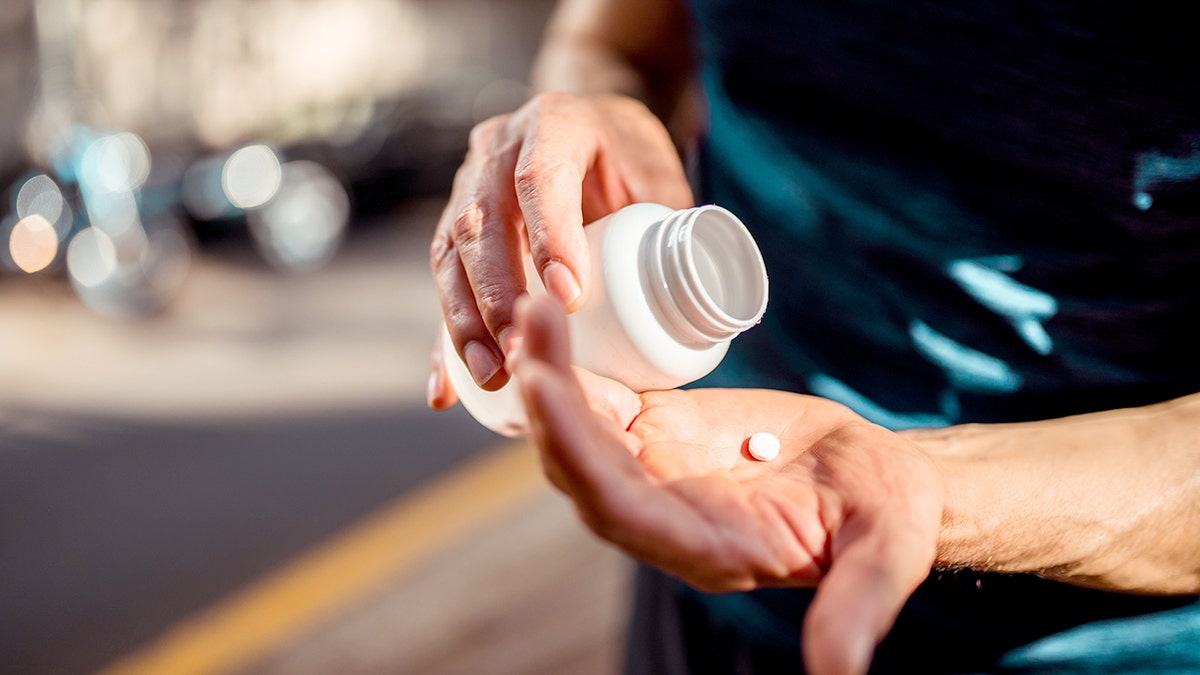
The medication is taken as one 50-mg pill each day, along with standard blood-clot-preventing medicine, such as aspirin. (iStock)
Medication is only one part of preventing another stroke, the cardiologist emphasized.
"The cause of the stroke in many of these patients was atherosclerosis," he said, describing the condition as "plaque buildup that can cause circulation problems and the lack of blood flow to the brain."
CLICK HERE TO SIGN UP FOR OUR HEALTH NEWSLETTER
"So it’s important for any stroke patient to do all the other things that you can do in addition to this medicine to prevent a second stroke – like stopping smoking, keeping your cholesterol low, eating healthy, and most importantly, getting exercise."
TEST YOURSELF WITH OUR LATEST LIFESTYLE QUIZ
More than 795,000 people in the U.S. have a stroke each year, including about 185,000 who have had one before, according to the CDC.
About one in four stroke survivors experiences another within five years.
Melissa Rudy is senior health editor and a member of the lifestyle team at Fox News Digital. Story tips can be sent to melissa.rudy@fox.com.
KioskNews shows a cleaned-up reading view extracted from the publisher’s page — the original always lives on their site, not ours.