Time Team unearths 1,000-year-old leprosy hospital beneath Lincoln park
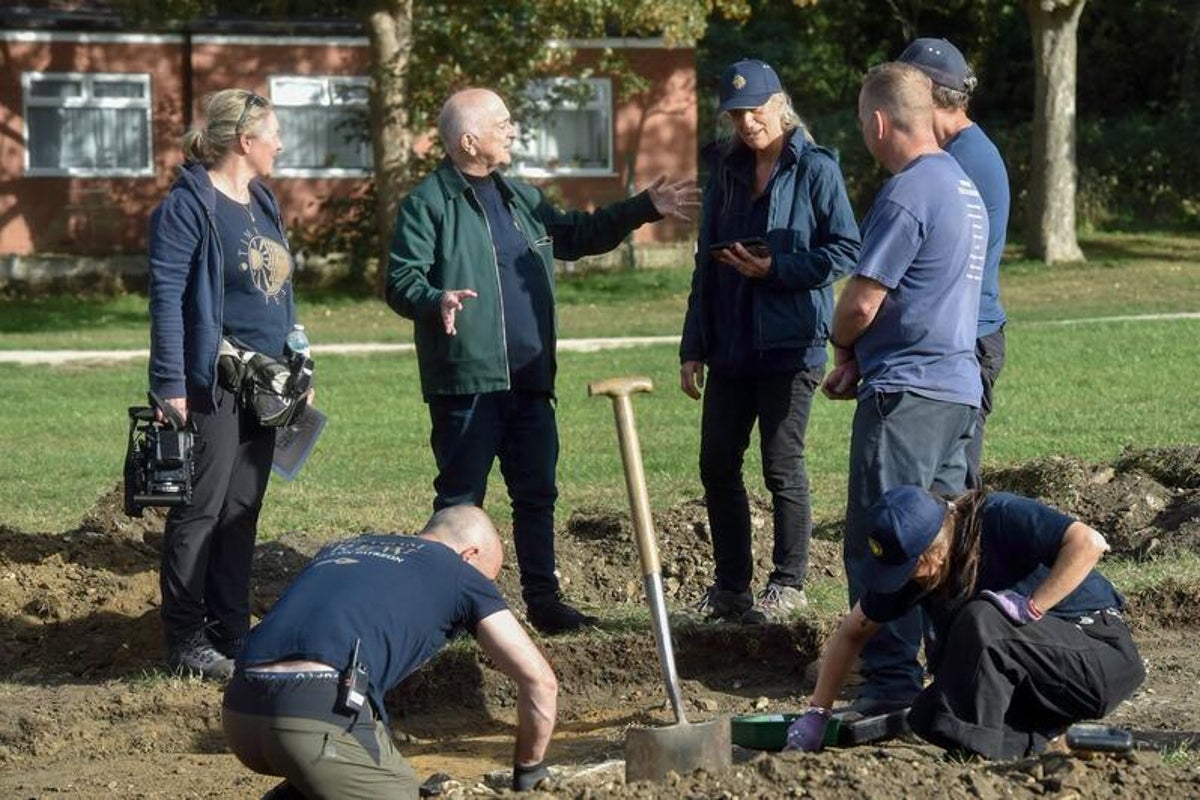
Archaeologists from the Channel 4 series Time Team have uncovered walls belonging to one of medieval England's earliest and largest leprosy hospitals.
A three-day excavation took place at the site of the Hospital of the Holy Innocents, on South Common in Lincoln.
The hospital housed up to 20 people living with leprosy and is believed to have operated for about five centuries following its foundation between the late 11th and early 12th centuries.
Time Team's Professor Carenza Lewis said that archaeologists discovered traces of square features where residents may have lived, which had not previously been excavated anywhere else.
The work follows a pilot project in 2025, where more than 100 volunteers excavated 41 test pits across South Common.
Their efforts uncovered what were thought to be medieval boundary walls, building surfaces and artefacts linked to the former hospital.
Time Team subsequently conducted a geophysical survey of the area, while volunteers opened a 98ft trench linking two test pits where wall traces had been located.
Ms Lewis said that the survey revealed a wall running the length of the trench, alongside further features on either side.
"We know from historical documents that there were up to 20 lepers housed here, and we know that they had little sorts of curtilages, which implies they're separate little buildings, little houses with a little yard, perhaps," she said.
"What we've got all along this wall here are traces of little square features, about 16 foot across, that are big enough to be a little building or a yard area, and we've got lots of them."
The City of Lincoln Council believes the hospital remained active for roughly five centuries.
Ms Lewis said that gaining entry to the hospital may have depended on individual wealth.
"You'd need to have resources to get in here," she said.
"If you had enough money and could buy your way into a leper hospital, it's a bit like getting a place in a private care home or something like that."
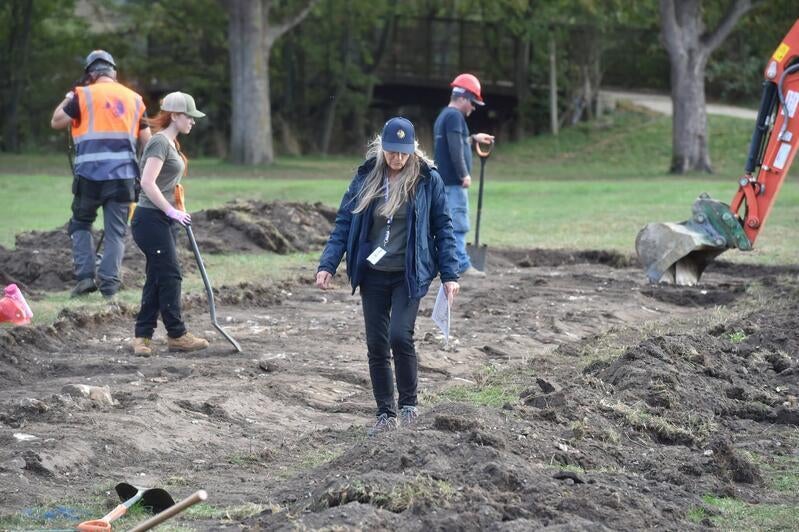
The excavation marks the beginning of the three-year Hidden Histories Unearthed project, led by Anglia Ruskin University.
The project aims to uncover more details about those who lived, worked and died at the hospital, alongside exploring the broader history of South Common.
Dr Sam Tipper from Anglia Ruskin University and Professor Lewis from the University of Lincoln's School of History and Heritage serve as site directors for the excavation.
The initial dig investigated the walls and potential building surfaces identified in 2025, with additional trenches potentially being opened depending on geophysical survey results.
Cllr Rebecca Longbottom, of City of Lincoln Council, said: "It’s fantastic to welcome Time Team to Lincoln and to see this exciting new chapter in uncovering the history of South Common getting underway.
"Last year’s community excavations gave us a fascinating glimpse of what lies beneath the common, and now we can take that a step further, investigating these discoveries and finding out more about the people and places connected to this important part of Lincoln’s history.
"This really is just the start of what promises to be a fascinating three years of discovery, learning and community involvement."
Time Team creator Tim Taylor said: "Lincoln has an extraordinary archaeological story, and this site promises to give us the opportunity to uncover a fascinating part of it."
KioskNews shows a cleaned-up reading view extracted from the publisher’s page — the original always lives on their site, not ours.