The agonising wait for an organ donor: ‘I’m always waiting for the call’
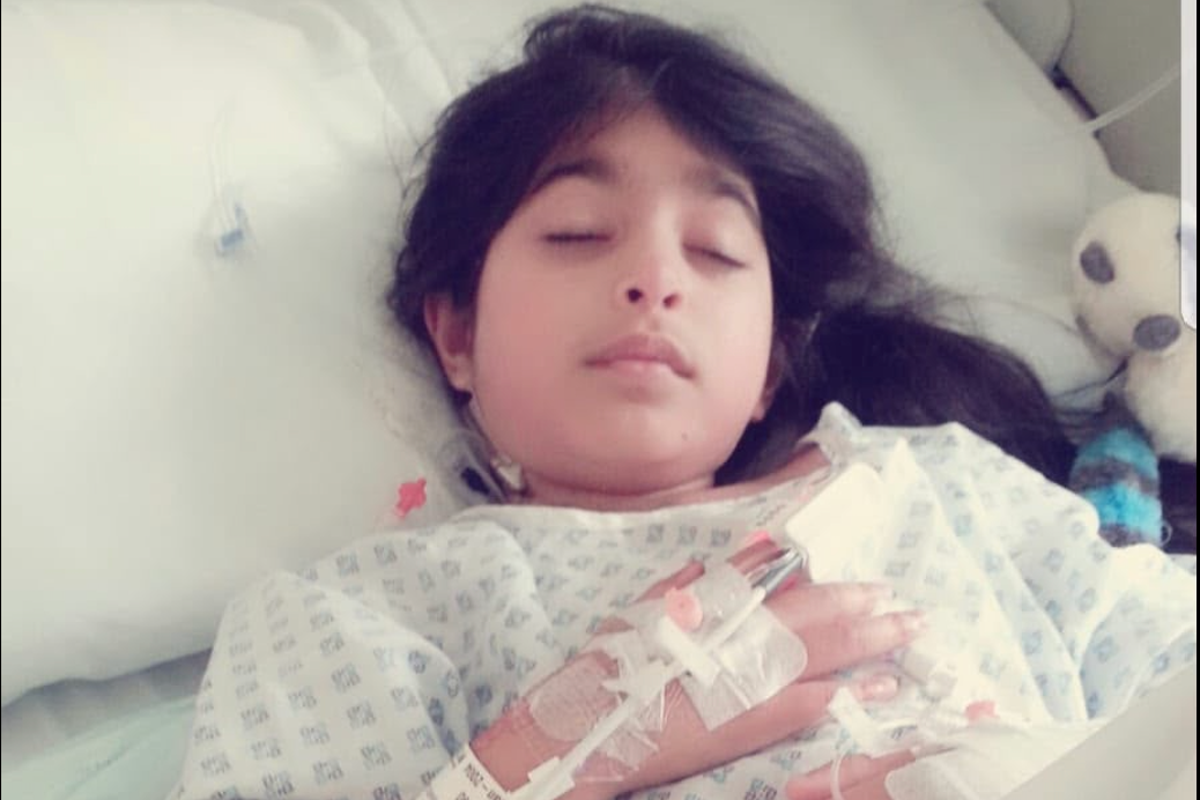
At just 22 years old, Eman David has spent much of her life in and out of hospital.
Diagnosed with kidney failure at seven, she was handed a lifeline in 2014 when she had a successful kidney transplant, which allowed her to finally enjoy her childhood.
But in 2021, she received the heartbreaking news that her body had started to reject the organ and that she would need another transplant. Six years later, she is still waiting.
“Right now I’m just doing maths at college. But I can’t focus on anything but dialysis and the transplant and when they’re going to call me.”
“I’m always looking at my phone, I’m always thinking that it’s them [the hospital] calling me.”
Ms David, from Manchester, is one of 8,700 patients in the UK waiting for an organ transplant – a record high – with nine people a week dying while waiting to get a lifesaving call, according to NHS Blood and Transplant (NHSBT). At this rate, it could mean 468 deaths by next summer if nothing changes.
The situation has reached crisis point and is now so concerning that NHSBT, the body responsible for organ donation, has had to take the “unprecedented” move to trigger its “urgent” organ donation response plan.
John Richardson, assistant director of Organ and Tissue Donation and Transplantation, told The Independent: “In organ donation, it’s unprecedented that we’ve moved to this footing; it’s the highest list we’ve seen. Up to nine people each week will die waiting for an organ transplant, so it is significant.”
.jpeg)
Despite a change in the law to introduce opt-out donations – which assumes people have opted in to donate organs unless they have explicitly stated otherwise – families can still decline a deceased relative’s wishes. The latest data shows family consent rates have dropped from 67 per cent in 2020-21 to 57 per cent last year.
Mr Richardson explained the issue likely driving this is that people do not make their wishes clear by registering to donate, and so families who don’t know what their loved one wanted can often decline donation.
That leaves people like Ms David in limbo and facing lengthy waits.
‘Dialysis just drains you’
She is one of the 80 per cent of transplant waiting list patients waiting for a kidney, with 7,200 currently in limbo.
Ms David and her parents were first told she would need a transplant and weekly dialysis when she was seven.
“Since then I’ve just had to basically live at Manchester Royal Infirmary. I think I missed about two, three years of primary school.”
At 11, Ms David and her family got some hope, and she received a kidney from a donor.
“My life changed so much, you know; I finally was able to travel. I remember that a year after my transplant, I went to Spain. I’d be more active. I get tired a lot because I even wanted to eat without restrictions.”
However, in 2021, doctors discovered that her body was rejecting her kidneys, which were functioning at just 15 per cent, and she would need to go back on dialysis.
“It wasn’t really scary because I was thinking like, “What do you mean it’s not working?” I was doing all these blood tests, all these tubes taken out on me, you know. I was thinking, ‘Is this going to ruin my education again?’”
“Dialysis just drains you.”
Initially, she was too ill to even be eligible for a transplant, but she was eventually placed on the waiting list in 2023. She is still waiting.
Fiona Loud, policy director at Kidney Care UK, and a kidney transplant recipient herself, said: “It’s experiences like Eman’s that really highlight the impact that waiting for a transplant can have. To be waiting in limbo for so many of her formative years is heartbreaking. It really hits home that every number on that waiting list is a person with hopes and dreams just waiting for that life-changing call.
“We hope that after reading Eman’s story, people will understand more about the difference organ donation can make and register their decision to be a donor.”
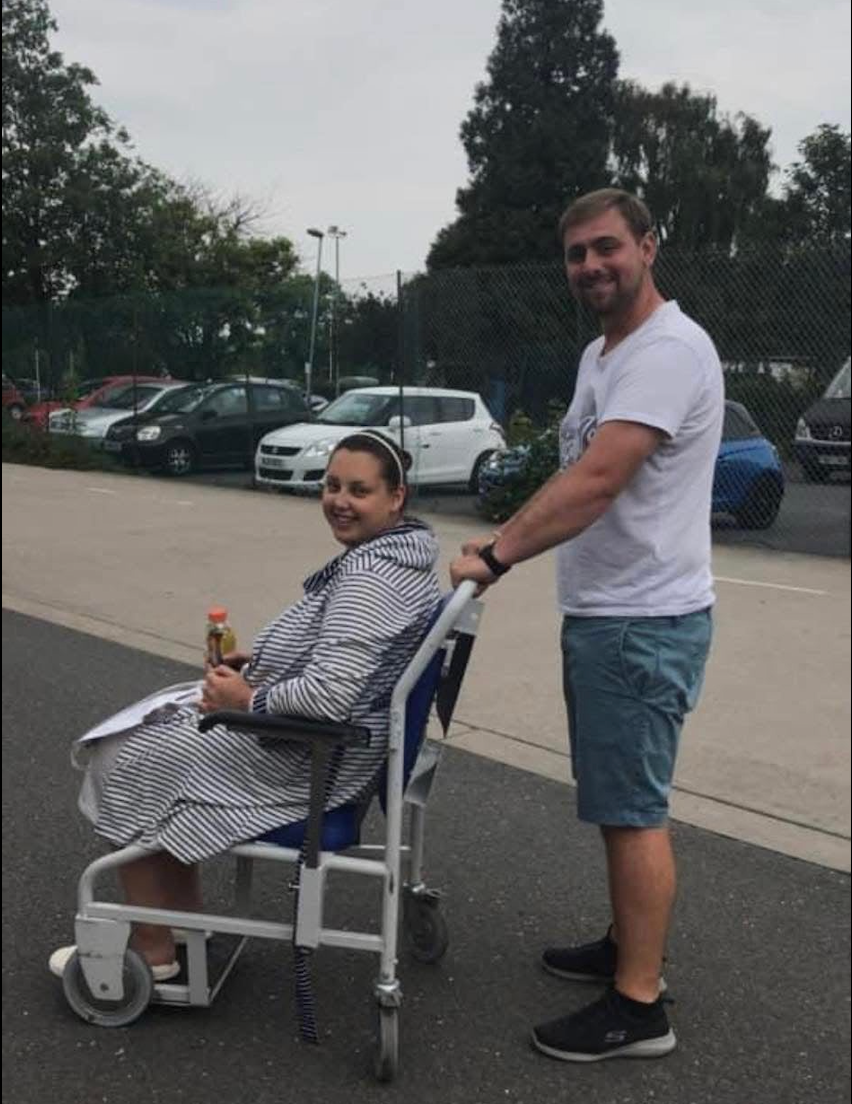
Becca Moore, 31, was treated for recurring urine infections (UTI) during childhood due to a condition which means her urine travels the wrong way from her bladder to her kidneys, causing organ damage.
When she turned 16, the infections “came back with a vengeance” and UTIs made her so sick she was unable to properly take her GCSEs.
After a few years of stable health, she was admitted to hospital in 2008 with a significant UTI and suspected sepsis, a blood infection that can be fatal. The UTIs had done such damage to her kidneys that she needed dialysis.
“It was devastating. My life turned upside down. I worked so hard.”
“When I got my GCSE results, I was told, ‘You ain’t gonna make anything good’. I’d been so poorly during them that I didn’t do the best I should have, or what they expected of me.
“However, I worked myself up working in care homes, daycare centres, and I’d really conquered a job that I absolutely loved. I was a deputy manager of a supported living unit for adults with learning disabilities and mental health issues.”
She added, “I’d gone from having nothing with GCSEs to get where I wanted to be, then losing it again, due to my illness that I didn’t understand. So it did affect me...I had quite severe anxiety. I thought I was going to die.”
In July 2019, Ms Moore received a transplanted kidney from her cousin who was a match. However, devastatingly, in 2023, her body rejected the kidney.
Again in 2025, when her health deteriorated further, she began haemodialysis treatment, where a machine filters waste products and excess fluid from the blood.
Ms Morten has to travel to the hospital for this three times a week and her closest treatment centre is three hours away.
While she waits for a transplant, Ms Moore has been able to move to home dialysis, which has allowed her to work again and go on her honeymoon this month. However, she desperately needs an organ donor.
Chief executive of Kidney Research UK, Fiona Carragher, said: “We all have the power to help turn the tide. Saying yes to organ donation, recording your decision on the NHS Organ Donor Register and making your loved ones aware of your decision is vital if we are to reduce those waiting times.
“But we also must do more, and science holds the answers. It is only through research that we’ll be able to make more kidneys suitable for transplant and find ways to make transplanted kidneys work better and last longer, giving patients the best possible chance of a healthier future.”
KioskNews shows a cleaned-up reading view extracted from the publisher’s page — the original always lives on their site, not ours.