Rubio invokes China, Russia to defend disputed Venezuela oil deal
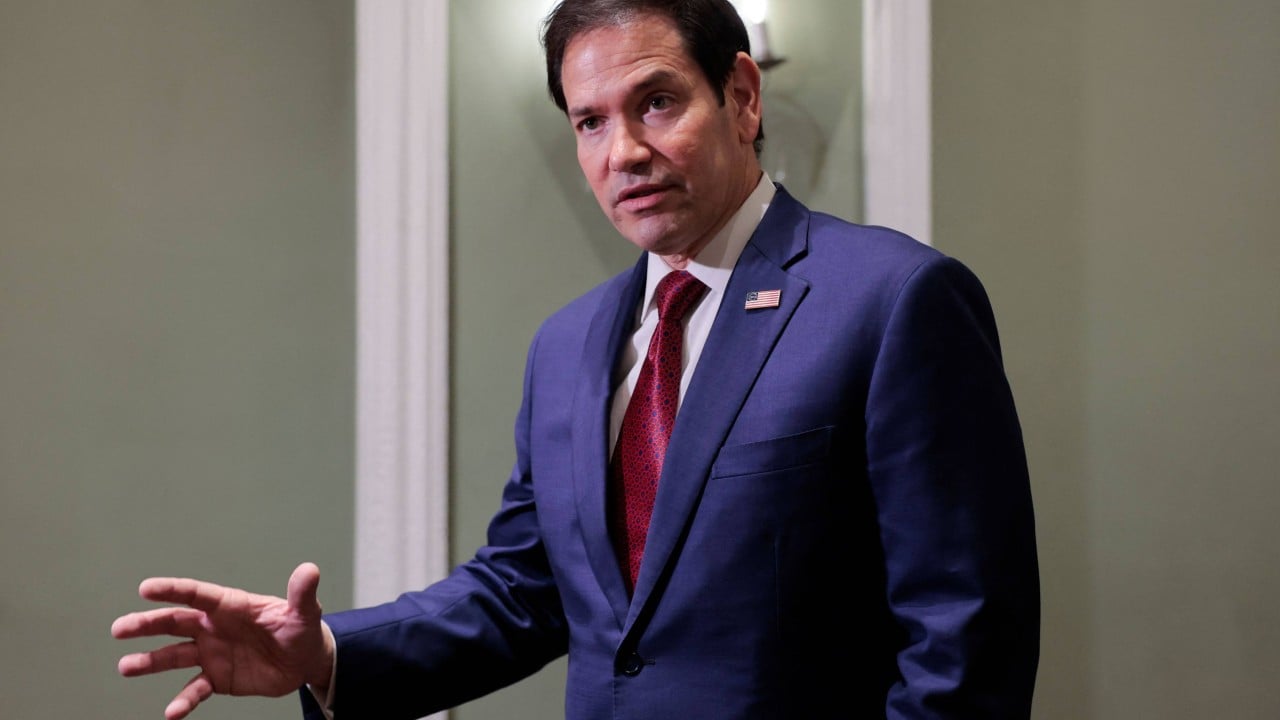
US Secretary of State Marco Rubio has defended Washington’s oil agreement in Venezuela as an alternative to Chinese and Russian involvement, pushing back against criticism from opposition leader Maria Corina Machado.
Speaking to reporters on Monday, Rubio said most of the oilfields controlled by the company partnering with Washington had previously been held or operated by Chinese or Russian firms. He argued that the agreement would help revive production while securing US access to reserves in a crisis.
The arrangement centres on a US-backed energy company granted 100-year concessions covering 17 Venezuelan oilfields with about 65 billion barrels of proven reserves, including fields previously operated by Chinese and Russian firms.
Washington has presented the deal as a way to expand production and secure access to Venezuelan crude.
13:34
How a once-hopeful Venezuela spiralled to the bottom
“And whether it was us or the Chinese or the Russians, someone was going to be in business with these people because these are productive fields,” Rubio said. “So, we think they’re better off being in business with us than somebody else.”
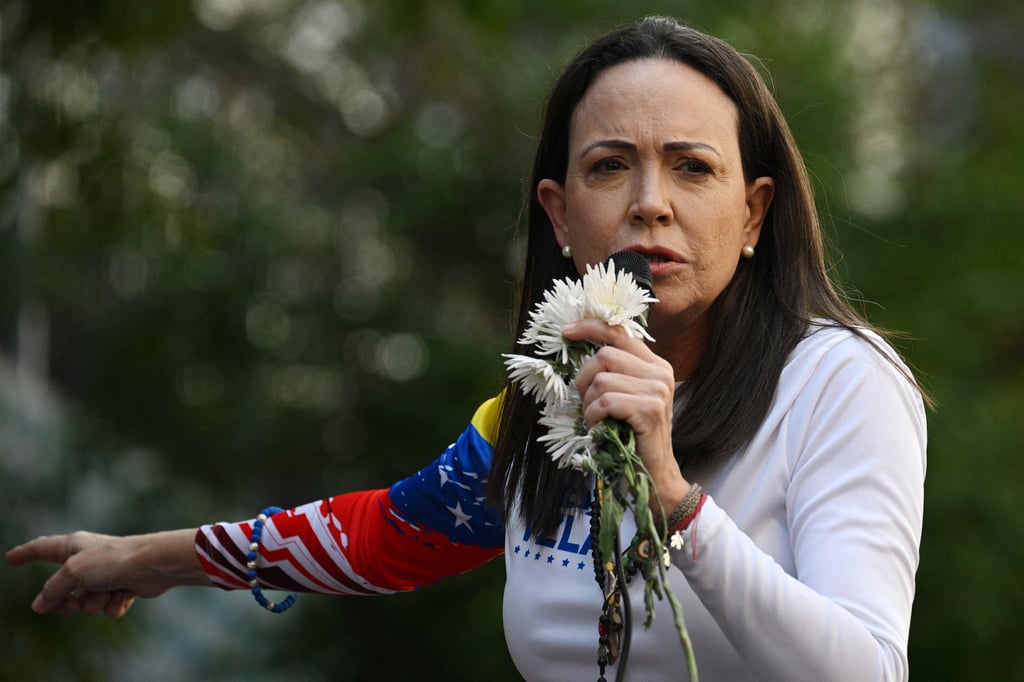
Asked about her criticism of the deal and businessman Alejandro Betancourt’s links to the old political order, Rubio said she was entitled to oppose it but maintained that the agreement was separate from the question of holding democratic elections.
“She doesn’t have to agree with it or like it, but I think that’s separate from the issue of having an election and a democracy,” he said.
The South China Morning Post has sought comment from the Chinese embassy in Washington on Rubio’s remarks and the implications of the oil agreement for Chinese interests in Venezuela.
China demanded protection of its interests in September after news of the concessions. Foreign ministry spokesman Guo Jiakun confirmed that cooperation between Beijing and Caracas was protected by international law and the laws of both countries.
Rubio said on Monday that US involvement gave the company confidence to raise capital and invest in Venezuela’s underperforming oil industry. He maintained that Washington was not contributing money to those investments.
The agreement also offered the United States “a huge strategic advantage”, he said, by providing access to reserves in times of crisis or need.
Rubio separately criticised Venezuela’s previous oil arrangements with China, saying Beijing credited shipments against outstanding Venezuelan debt rather than paying cash.
“The Chinese never paid for Venezuelan oil,” he said, before describing the debt repayments. He provided no figures showing how much oil was supplied under such arrangements or how to distinguish those shipments from other sales.
Crediting oil deliveries against debt reduces a borrower’s obligations, even when it does not generate immediate cash revenue.
Rubio said Venezuelan crude was now being sold at market rates, with proceeds deposited in a US Treasury-controlled account and disbursed through a licensing process. He did not provide an updated total for the money processed.
He also said Washington viewed sanctions relief as leverage over Venezuela’s interim authorities, linking continued economic openings to progress towards political reform and elections.
KioskNews shows a cleaned-up reading view extracted from the publisher’s page — the original always lives on their site, not ours.