Ukraine strikes Russian oil terminal as tensions with Washington deepen
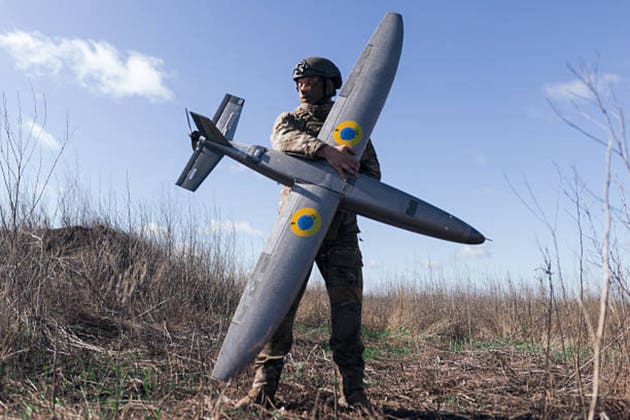
Nikoletta Stoyanova/Getty Images News
Ukraine struck a major Russian oil terminal during a large overnight drone assault, continuing its campaign against energy infrastructure despite President Donald Trump’s demand that it stop, according to multiple media reports. The attack comes as disagreements over sanctions, military support and efforts to curb energy prices strain relations between Kyiv and Washington.
For investors, the continuing strikes highlight the vulnerability of energy infrastructure despite U.S. efforts to ease restrictions on Russian supplies. Damage to terminals or refineries could disrupt fuel shipments and add volatility to oil and diesel markets. Uncertainty over American support for Ukraine also complicates assessments of the war’s trajectory and prospects for negotiations.
Russian authorities identified the St. Petersburg Oil Terminal, which can handle up to 12.5 million metric tons annually, as one target. Ukrainian drone manufacturer Fire Point reported a fire at the facility, but the extent of damage and any effect on operations were not established in the report. Russian distribution company Ozon also reported an attack on a logistics center. Local authorities said the attacks killed one person and wounded five.
Russia’s defense ministry said it intercepted 1,015 Ukrainian drones overnight into Sunday. Meanwhile, Ukrainian authorities reported that Russian missile and drone attacks killed 11 people and injured nearly 50 across Ukraine over the preceding 24 hours, including strikes on energy facilities in the Odesa region.
Trump had announced a week earlier that both countries had agreed to stop attacking energy infrastructure, although neither Kyiv nor Moscow publicly confirmed an agreement. Ukraine briefly paused such strikes before resuming them, while Russian attacks continued. President Volodymyr Zelenskyy said Russia had targeted Ukraine’s energy, oil and gas sectors 76 times since Trump’s announcement.
The escalation follows U.S. decisions to waive sanctions on Russian diesel imports and suspend broader economic penalties mandated by Congress. Zelenskyy argues that easing financial pressure without reciprocal Russian concessions encourages Moscow to continue fighting. The waivers have also drawn criticism from some Republican lawmakers.
Ukraine has separately raised concerns about access to military communications and missile warnings. Zelenskyy said speed-related restrictions on Starlink were disrupting drone operations and limiting defenses against Russian attacks; the Trump administration denies restricting the service. Kyiv also said it had recently faced Russian ballistic missile attacks without advance alerts from allies, adding to uncertainty over the outside support available as winter approaches.
Dear Readers: We recognize that politics often intersect with the financial news of the day, so we invite you to click here to join the separate political discussion.
KioskNews shows a cleaned-up reading view extracted from the publisher’s page — the original always lives on their site, not ours.