Diana suspected Charles had ‘nighttime tryst’ with Camilla on royal train during their courtship
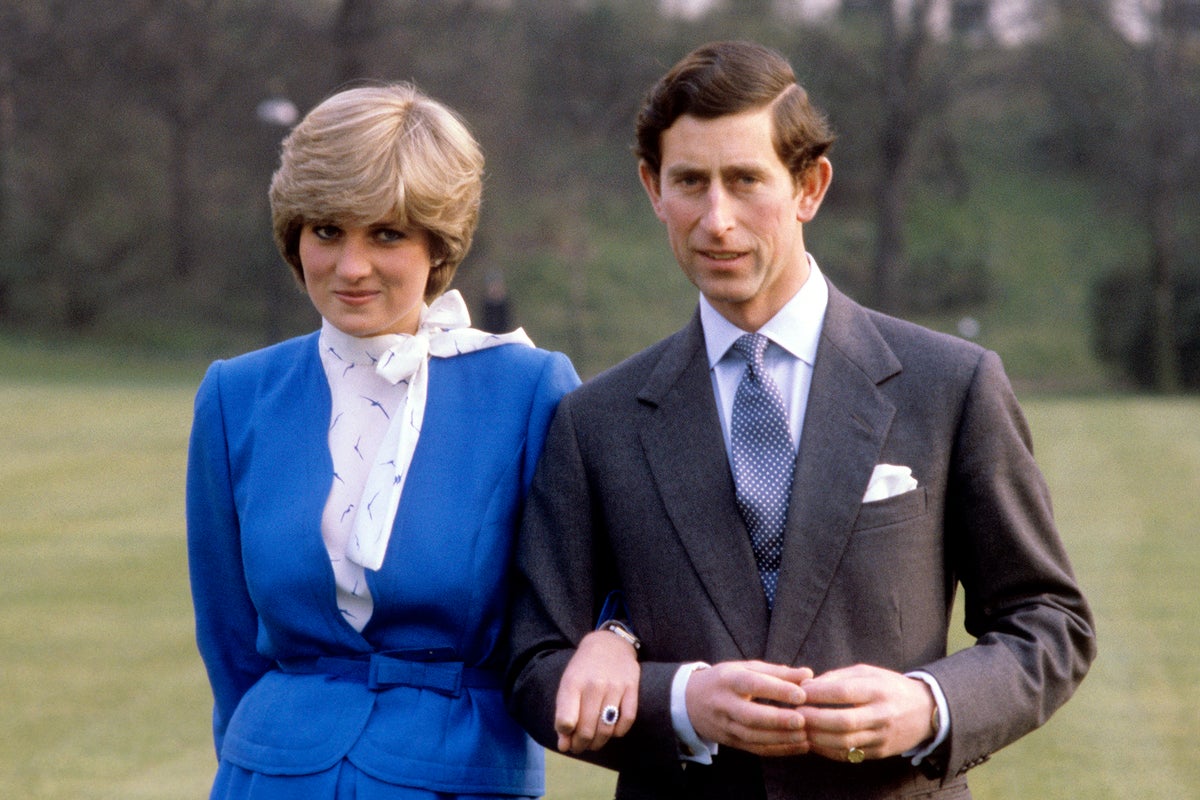
Princess Diana had suspected King Charles of having a secret tryst with Camilla Parker-Bowles on the royal train, just months before their wedding, her brother’s memoir claims.
Earl Spencer’s bombshell new book recalls the scandal in 1980 when Diana and the then-Prince of Wales had begun their relationship, with Charles accused of smuggling a blonde woman onto the train for a “rendezvous”.
Despite the tabloid’s assumption that it had been Diana, her brother recalls her shock given that she had been fifty miles away that evening, and had never been invited onto the royal train.
In his memoir Swan Song: Diana, My Sister, Earl Spencer has detailed the couple’s unhappy marriage, and claimed that Diana’s eating disorders worsened as a result of their loveless match and the press intrusion she endured.
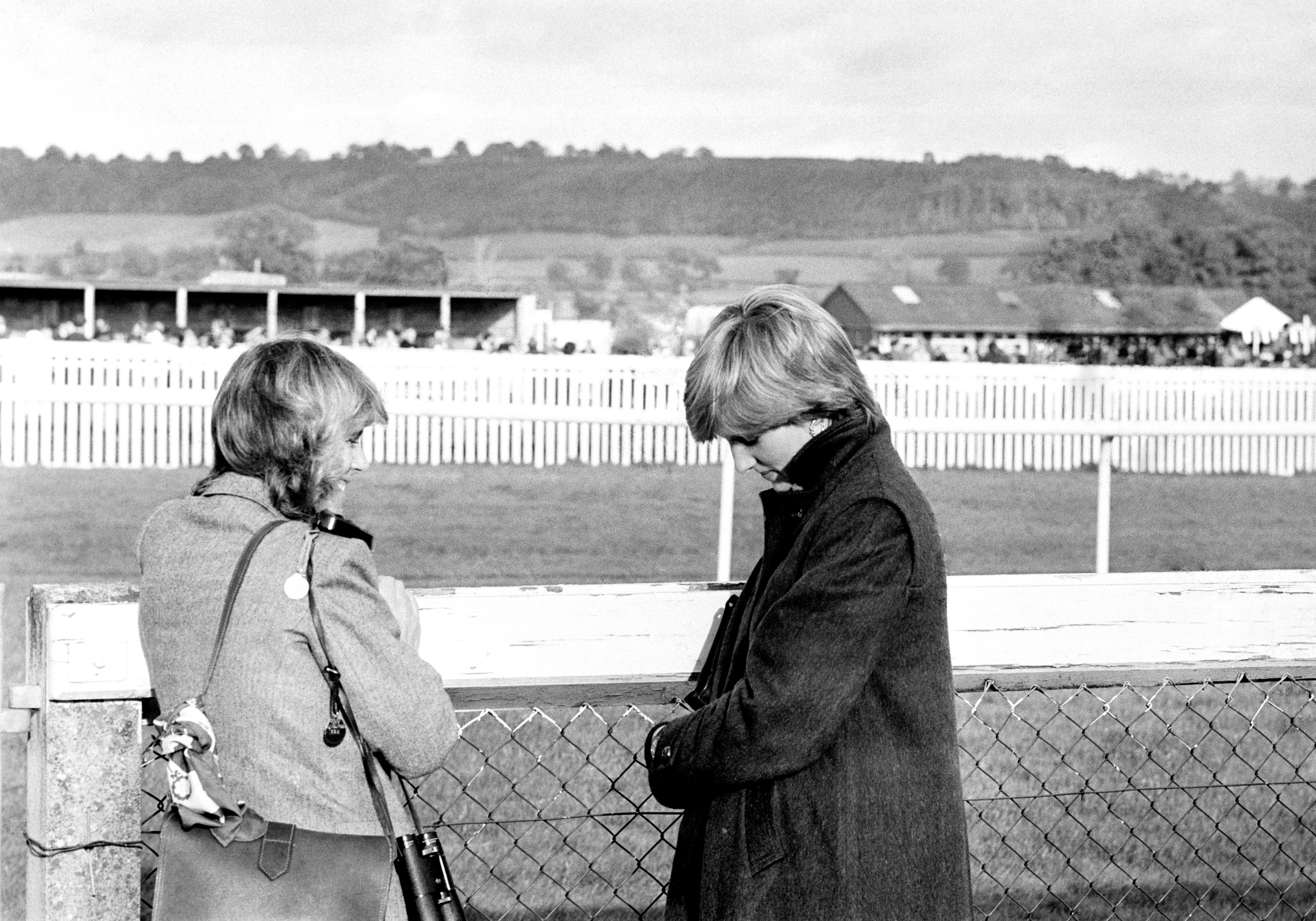
He wrote: “I had no idea that her food issues partly stemmed from a feeling that she was unloved by the man she adored.
“This ghastly possibility had first arisen three months before her engagement. The Sunday Mirror ran a dramatic front page expose in November 1980. In what became known as the ‘Royal Train Scandal’ the paper claimed it had been tipped off by an impeccable source (a police officer, it transpired) that the Royal Train had pulled into sidings in Wiltshire for a secret assignation.
“Prince Charles was the only member of his family on the train when a blonde woman had been spotted getting on board. She was known to have stayed with him on the train for several hours.
“The thrust of the exclusive was that Charles had, disgracefully, used the publicly funded vehicle for a tryst with Diana.”
However, he said that Diana had expressed being “shocked” by the article given that she was not the blonde in question, with Buckingham Palace issuing a statement to say the allegation against her was a “total fabrication”.
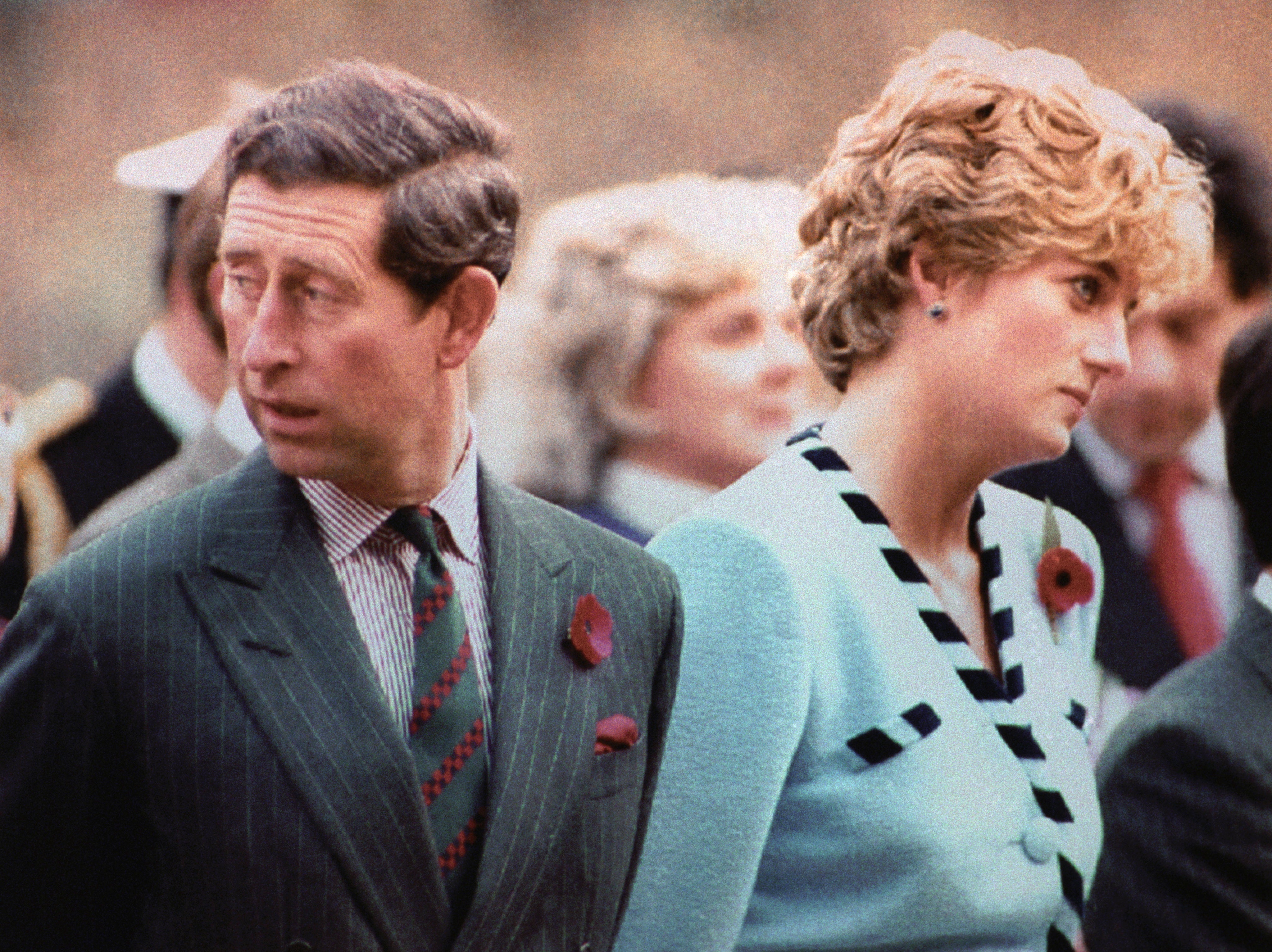
“As it was not Diana, then who was the blonde?”, Earl Spencer wrote. “After her marriage took the direction it did, Diana became convinced that she must have been Camilla Parker-Bowles - particularly as the railway siding was just 19 miles from Camilla’s home.”
The memoir also recounts Diana discovering a bracelet for Camilla, who went on to marry Charles in 2005, shortly after their engagement in 1981.
During a televised interview in 1994, Charles admitted to committing adultery during his marriage with Diana after their relationship had “irretrievably broken down”.
The couple had been separated since 1992 and began divorce proceedings three years later. Diana died in a car crash in Paris in August 1997, prompting an unprecedented display of public grief and mourning.
Her partner, Dodi Fayed, and their chauffeur Henri Paul also died in the crash.
A number of claims have been made by Earl Spencer, including that Charles said “we’ll forget her soon enough” after Diana died.
According to a book excerpt, one of Queen Elizabeth II’s senior aides told the earl that William and Harry were to walk in the funeral procession, prompting the earl to state “that’s not going to happen”.
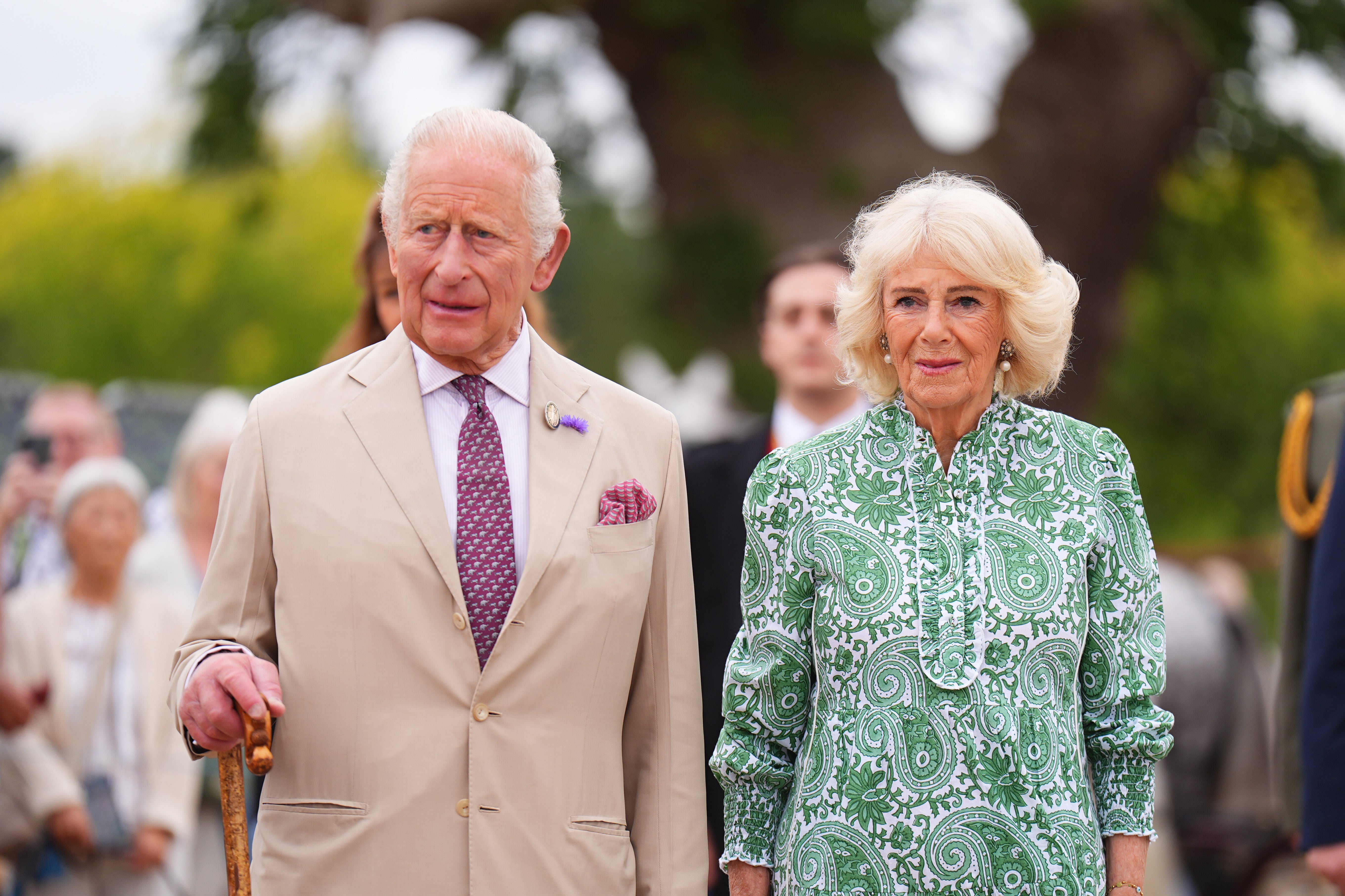
Charles called minutes later and told him that 18 years earlier, he had walked in the funeral procession of his great-uncle, Lord Mountbatten, it is claimed.
The earl pointed out that Charles had been 30 at the time of Lord Mountbatten’s funeral in 1979.
In an book excerpt, the Earl claims: “Prince Charles continued his stream of anger, without me interrupting. Then he stopped.
“I assumed the pause signalled an effort to bring himself under control, but then he unleashed down the phone what I have always taken to be his pent-up contempt for Diana, and his horror that the world was so bowled over by her death. ‘Rest assured’, he hissed, ‘we’ll forget her soon enough!’”
The Earl says he then hung up the phone.
In another passage, he accuses Charles of sounding “like a lottery winner” in the hours after her death, and that he had been “giddily elated”.
In response to the claims made in the memoir, a Buckingham Palace spokesperson said on Wednesday: “While we do not comment on books as a matter of principle, His Majesty is mindful that the pain of fraternal grief can cloud reason, affect judgment and colour memory in ways others do not recognise, even many years after such a loss.”
KioskNews shows a cleaned-up reading view extracted from the publisher’s page — the original always lives on their site, not ours.