World can’t afford to take freedom of navigation for granted
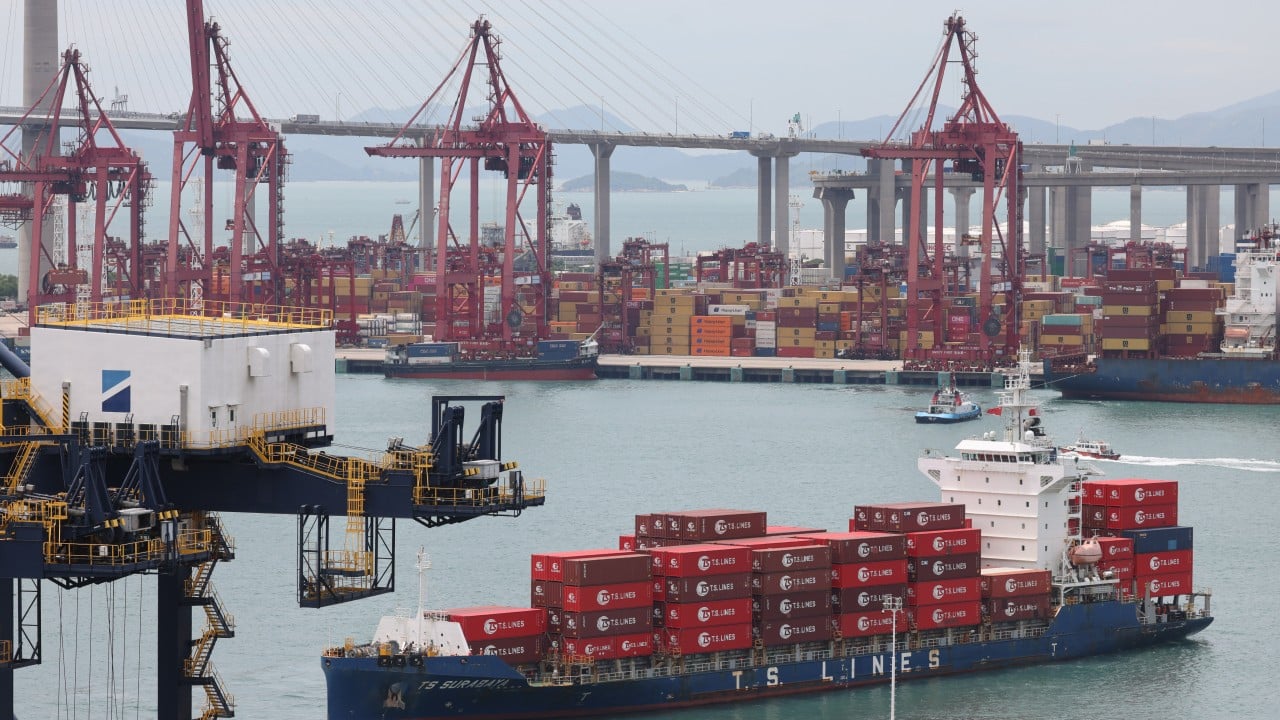
Hong Kong’s success rests on its connection to the world. Its position as one of Asia’s great maritime and trading centres reflects a simple principle: prosperity depends on moving goods, connecting markets and trading freely across borders.
That principle is as important today, during the 10th Hong Kong Maritime Week, as it was when Hong Kong first established itself as a major international port. At a time of growing geopolitical tensions, uncertainty over established trade routes and increasing fragmentation of the global economy, it is more important than ever.
China’s extraordinary development as a trading nation has helped reshape the global economy. This success has been aided by a stable international maritime legal system that protects freedom of navigation.
Around 90 per cent of global trade by volume is carried by sea. The ships moving between our ports transport the energy, food, raw materials and goods on which modern economies depend. Their ability to do so safely is not simply a shipping industry concern. It is a fundamental requirement of economic stability.
The United Nations Convention on the Law of the Sea provides the essential legal framework. It establishes states’ rights and responsibilities at sea, including freedom of navigation and transit passage through international straits. These are neither privileges granted by individual countries nor principles to be applied selectively. They form part of an international framework benefiting all trading nations.
04:36
Why the vital Red Sea shipping lane may be the new frontline in the US-Iran war
Recent events have demonstrated just how much is at stake when that framework comes under pressure. The Covid-19 pandemic exposed the vulnerability of global supply chains to disruption. The war in Ukraine fundamentally altered established energy and commodity trading patterns, while attacks on commercial shipping in the Red Sea forced vessels to take longer routes around Africa.
The crisis around the Strait of Hormuz has provided an even starker illustration. A waterway through which around a fifth of the world’s oil consumption passes has become the focus of serious threats to commercial shipping, with direct consequences for energy markets, shipping operations and the safety of seafarers.
The economic consequences of these disruptions extend far beyond the immediate regions concerned. Longer voyages mean higher fuel consumption, increased insurance costs and delayed deliveries. Businesses face uncertainty over the arrival of essential components, while developing economies can be particularly exposed to increases in the cost of imported goods.
Disruption at one maritime chokepoint can ripple through the water and have consequences for economies thousands of kilometres away. This interconnected reality of global trade is precisely why freedom of navigation must be treated as a shared international interest.
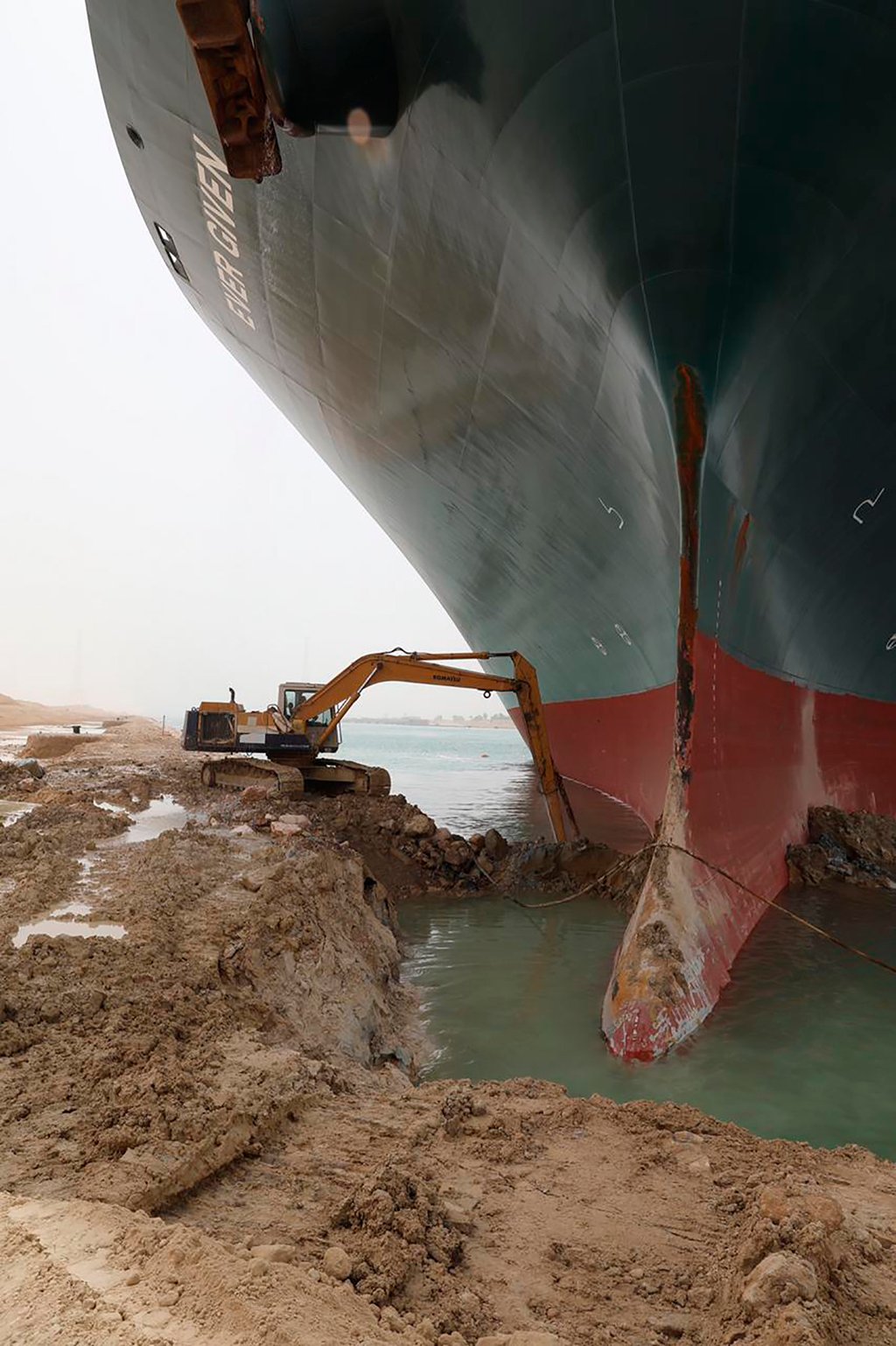
If different countries and regions begin to apply competing rules to international shipping, impose unilateral restrictions or challenge established navigational rights, the result will be greater uncertainty, higher costs and fewer reliable supply chains. In seeking greater national resilience, governments could inadvertently deliver the opposite: a more fragmented global economy that leaves businesses and ordinary people worse off.
As one of the world’s major trading nations, this is particularly significant for China. Its economic development and international commercial relationships are closely connected to reliable maritime routes. The same is true of Hong Kong, whose role as an international maritime centre depends on confidence in the movement of ships and cargoes between markets. Across Asia, from major manufacturing economies to smaller island and coastal states, the ability to access international shipping routes is essential to economic opportunity.
The challenges facing maritime commerce will not disappear. Geopolitical tensions will continue, trade patterns will evolve and new risks will emerge. However, we should not allow those developments to erode the principles that have enabled the world’s oceans to serve as highways for international trade.
Freedom of navigation is not simply a maritime principle. It is a foundation of global prosperity, and protecting it is a responsibility shared by every trading nation.
KioskNews shows a cleaned-up reading view extracted from the publisher’s page — the original always lives on their site, not ours.