Ship-to-ship transfers boost India’s West Asian oil imports, Russian flows see supply pressure
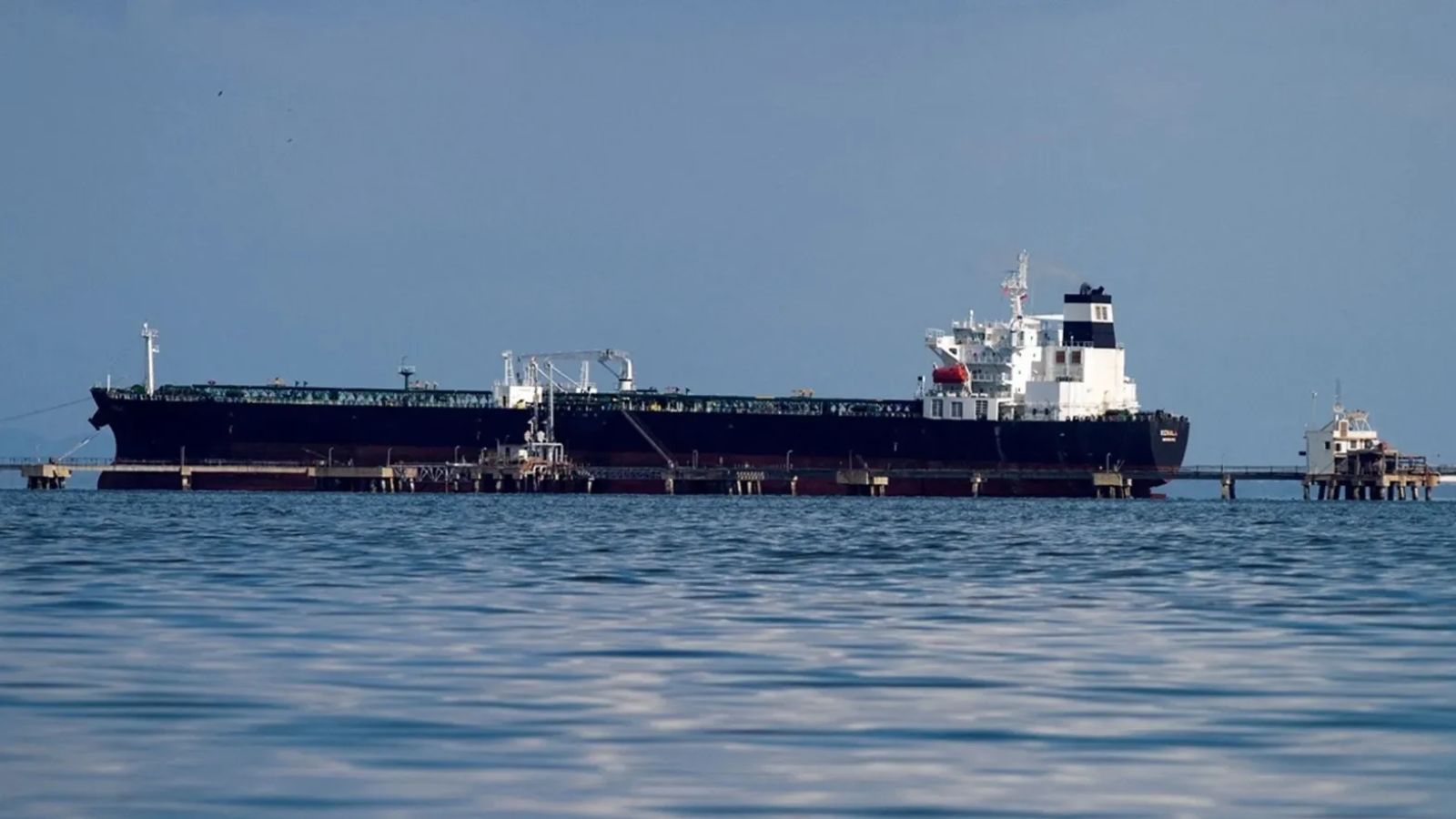
India’s oil imports from West Asia saw a notable rise in September with Gulf suppliers effectively using ship-to-ship (STS) cargo transfers to move their crude through the fraught waters of the Strait of Hormuz, as per provisional tanker data.
Oil imports from India’s largest supplier Russia, however, declined for the second straight month due to stronger competition from Chinese refiners and tighter Russian crude availability amid Ukrainian attacks on Russia’s oil and gas infrastructure, industry insiders and analysts said.
Amid the ongoing conflict in the region, the much improved availability of West Asian oil comes as a relief for India, given the pressure being exerted by the US on top buyers of Russian oil. Although India has said that its priority is to meet the energy needs of its 1.4 billion citizens through diversified sourcing, the recently enacted Russia and Iran sanctions law in the US has added a layer of uncertainty around the future of oil imports from Russia.
The law — Lindsey O Graham Sanctioning Russia and Iran Act — allows US President Donald Trump to impose tariffs of up to 100% on the biggest buyers of Russian oil, a list topped by China and India.
While New Delhi continues to engage with Washington on the new law, experts believe that it would be prudent for Indian refiners to try and progressively reduce their reliance on Russian crude and step up further diversification of oil import sources.
“Going forward, improved Middle Eastern barrels’ availability could see Indian refiners lean more towards them, particularly amid the geopolitical uncertainty surrounding the Graham Act,” said Nikhil Dubey, lead analyst-refining at commodity market analytics firm Kpler.
India’s Russian oil imports declined almost 9% in September to 1.9 million barrels per day (bpd) from 2.1 million bpd in August, according to vessel tracking data from Kpler.
Story continues below this ad
Russian oil import volumes had touched a historic high of 2.8 million bpd in July, and September volumes were at a five-month low, although they still accounted for over 35% of India’s total oil imports during the month.
The sequential decline in oil imports from Russia was more than made up for by a spurt in imports from suppliers like Iraq, Saudi Arabia, Kuwait, and Qatar.
Oil imports from Iraq jumped 238.2% sequentially in September to over 551,000 bpd, while those from Saudi Arabia were up 56.2% at almost 543,000 bpd. Imports of Kuwaiti oil surged 104.4% over August to about 317,000 tonnes.
Oil imports from Qatar, which were nil in August, stood at nearly 110,000 bpd. Among West Asian suppliers, only the UAE saw a decline in volumes — down 15.8% month-on-month at around 460,000 bpd.
Story continues below this ad
In February, before the West Asia war started, India’s oil imports from these five West Asian suppliers stood at around 3 million bpd.
Combined September volumes were 33% lower at 2 million bpd. Their cumulative share in India’s oil imports was 36.7% in September, up from 26% in August, but still substantially lower than February’s 56.3%.
Iraq, Kuwait, and Qatar are the most dependent on the Strait of Hormuz for exporting their oil.
Saudi Arabia and the UAE have pipeline systems that bypass the chokepoint, although a bulk of their oil also traditionally transited the strait. The jump in export volumes from inside the Strait of Hormuz is largely due to STS activity, according to trade sources.
Story continues below this ad
Unlike regular operations, in which oil is loaded onto tankers that sail directly to the destination port, STS transfers involve a shuttle tanker that carries the oil for some distance, after which the cargo is transferred to another ship.
In STS operations in the Strait of Hormuz, the supplier usually takes on the responsibility — and the risk — of sending the oil through the strait, after which a tanker waiting in safer waters outside the strait takes the oil and sails to the destination port.
This has effectively transferred the risk largely to the suppliers from the buyers, who were earlier required to charter ships and send them into the Persian Gulf for lifting oil.
So far, Iran hasn’t been able to effectively disrupt this STS arrangement, which is evidently getting protection from the American navy.
Story continues below this ad
As for Russian crude, Ukrainian attacks on Russia’s oil and gas infrastructure is a key reason for the pressure on Moscow’s oil exports.
Attacks on export infrastructure in the Black Sea have become a tangible threat to navigation of energy tankers in the region.
Freight economics are also incentivising avoiding the Black Sea routes altogether.
Competition for Russian oil from China has picked up due to various factors. They include lower Russian oil exports as Moscow has been trying to maximise domestic refinery production to meet its own fuel demand amid Ukrainian attacks on its energy infrastructure, and the fall in Iranian oil volumes available to Chinese refiners amid the Strait of Hormuz crisis.
Story continues below this ad
India’s crude import strategy has shifted sharply since March 2026 as Strait of Hormuz disruptions tightened West Asian oil flows and increased freight risks. Russian crude remains the backbone of India’s import slate, while refiners have diversified aggressively towards African, North American, and South American barrels to offset the drop in supplies from the Gulf.
About 40% of India’s crude imports usually came through the Strait of Hormuz, and a large part of that supply was effectively offline for the past six months.
KioskNews shows a cleaned-up reading view extracted from the publisher’s page — the original always lives on their site, not ours.