CJI Surya Kant intervenes to secure release of lawyers detained in Delhi
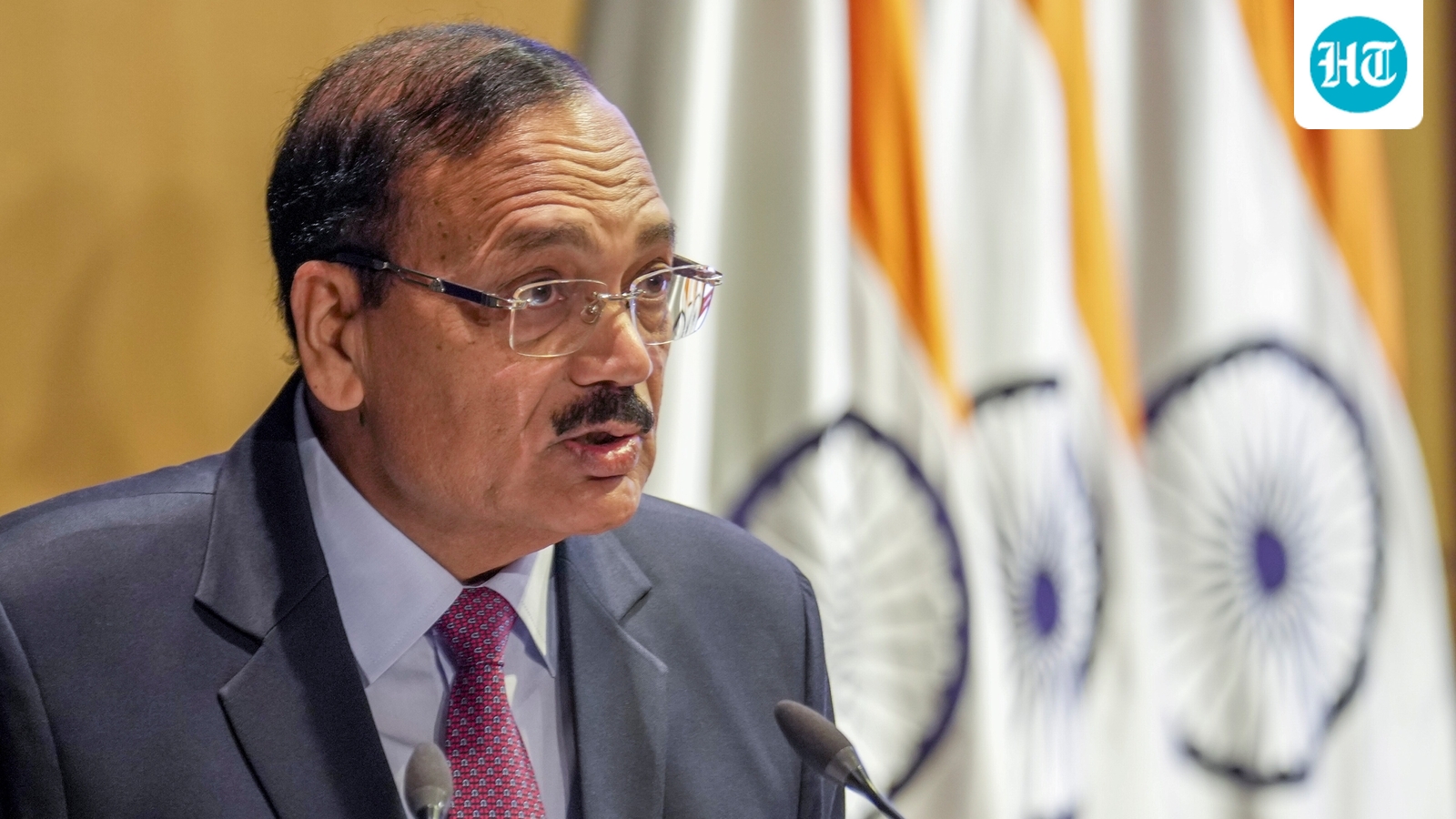
A day after his bench opposed blanket curbs on public transport ahead of the demonstration, Chief Justice of India (CJI) Surya Kant on Saturday morning contacted government authorities to secure the release of several lawyers, including women advocates, after being informed they had been detained by Delhi Police while peacefully protesting outside the Supreme Court complex.
People in the know said the development came after the Supreme Court Bar Association (SCBA) sought the CJI’s urgent intervention over the reported detentions in or around the vicinity of the country’s highest court despite no apparent justification for such action.
According to people cited above, the CJI immediately contacted government authorities, urging them to step in and ensure the lawyers’ immediate release. The authorities responded positively, and the CJI was apprised within minutes that the lawyers had been released, the people added.
The development came amid a sweeping security clampdown in the national capital ahead of Saturday’s protest called by the Cockroach Janata Party (CJP) and other groups demanding the resignation of chief election commissioner Gyanesh Kumar over alleged irregularities in the Special Intensive Revision (SIR) of electoral rolls.
SCBA vice-president Rahul Kaushik confirmed the development, saying: “I received information about the detention of senior advocates Uttar Babbar and PV Dinesh, and counsel Anne Methew, KR Subhash Chandran, Sunita Hazarika, among others, from near the Supreme Court complex. They were taken to Yamuna Sports Complex and it was only after the intervention of the CJI that they were released.”
SCBA president Pradeep Rai had also raised the matter on social media, describing the detention of Supreme Court advocates from their chambers as deeply disturbing and demanding their immediate release. In a subsequent post on X, Rai thanked the CJI for intervening and said he had also spoken to deputy commissioner of police Sachin Sharma, who assured him that any lawyer found to be in custody would be released immediately once the details were provided.
Rai later said the association had been informed that all the lawyers had been released, while urging the authorities to ensure that the dignity, safety and professional independence of members of the Bar were respected.
The CJI’s intervention followed a day after a bench led by him had stepped in against sweeping restrictions imposed ahead of the same protest, making clear that security considerations could justify regulation of public transport but not a blanket shutdown that inconvenienced ordinary citizens.
On Friday, the bench of the CJI and justices Joymalya Bagchi and V Mohana directed the authorities to reconsider restrictions on metro and railway services, stressing that public safety measures must remain proportionate to the situation. The court was responding to restrictions that included plans to close entry and exit gates at 57 metro stations, reduce train frequency and cancel several railway services ahead of the demonstration.
“Stopping something and regulating are two different concepts. One can regulate but it is completely different to put a halt on everything…you cannot stop everything,” observed the bench, adding that authorities could not use a “hammer to kill a fly”.
The court’s concern, it said, was not with the organisers or protesters but with the hundreds of thousands of people who depend on public transport to travel to work, attend educational institutions or earn their livelihood.
In its order, the bench said there should be no outright prohibition on metro services and that authorities could permit metro trains and other rail services to operate in a suitable and regulated manner. It also directed that revised traffic advisories be published widely to prevent hardship to commuters and ordered the Delhi Metro Rail Corporation, railway authorities and Delhi Police’s traffic wing to file a compliance report within four days.
The intervention came after solicitor general Tushar Mehta, appearing for the Centre and Delhi Police, agreed to reconsider the restrictions in response to the bench’s concerns.
Saturday’s detention of lawyers unfolded against this backdrop of heightened security in Delhi. Police had denied permission for the CJP’s protest at Jantar Mantar, citing security considerations and procedural requirements. Hundreds of protesters were detained or arrested as police and central armed police forces personnel were deployed across the capital, with barricades and other restrictions affecting traffic and access to public spaces.
The police action also drew attention to concerns about the extent of preventive measures being adopted to stop people from joining the demonstration. On Friday, the Supreme Court had heard submissions by lawyers about reports of police personnel visiting hostels, paying guest accommodations and other premises to discourage young people from participating. The bench declined to comment on those allegations in the absence of material formally placed before it, indicating that separate petitions could be filed for appropriate consideration.
KioskNews shows a cleaned-up reading view extracted from the publisher’s page — the original always lives on their site, not ours.