Public outcry as China nurse dies after on-duty brain bleed, but death ruled not work-related

The death of a 30-year-old nurse in southwestern China from a brain haemorrhage while on duty sparked outrage after authorities refused to classify her death as work-related.
Chen Jiajia, a supervising nurse in the medical imaging department at Guizhou Maotai Hospital in Zunyi, experienced a severe headache and began vomiting while working on August 4, according to Dafeng News.
Her colleagues swiftly rushed her for emergency treatment, and she subsequently underwent a craniotomy after being diagnosed with acute brain herniation.
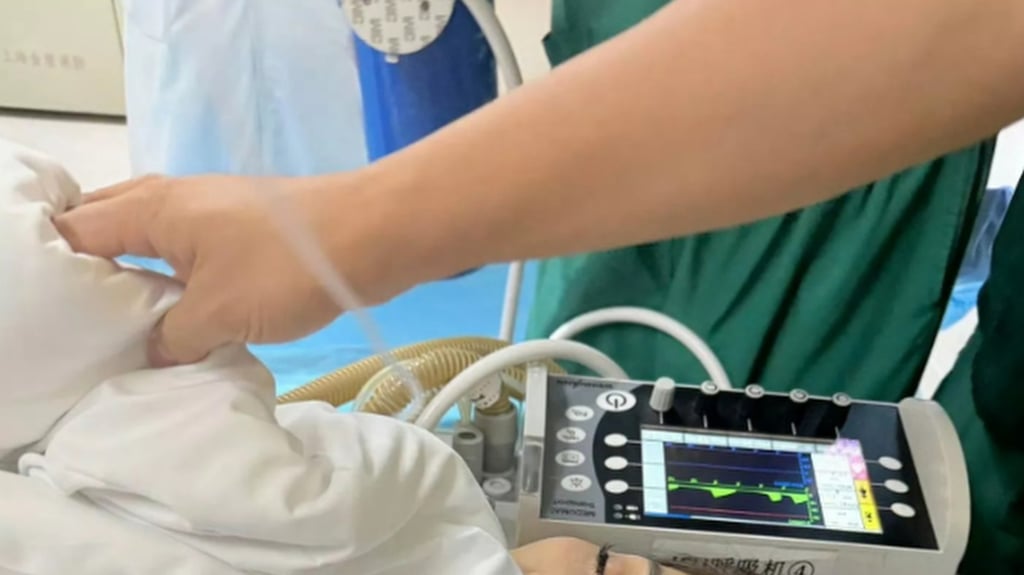
Chen remained at the first hospital for treatment until the early hours of August 14, when an ambulance transferred her to a hospital in Chongqing. Specialists there declared her brain-dead.
She was later taken back to her hometown, and according to her mother, Lin, she stopped breathing about five minutes after arriving home.
The sudden loss left the family devastated, and Chen was buried on a plot of land beside the family home.
Her family later requested that Maotai Hospital apply for official recognition of her death as work-related.
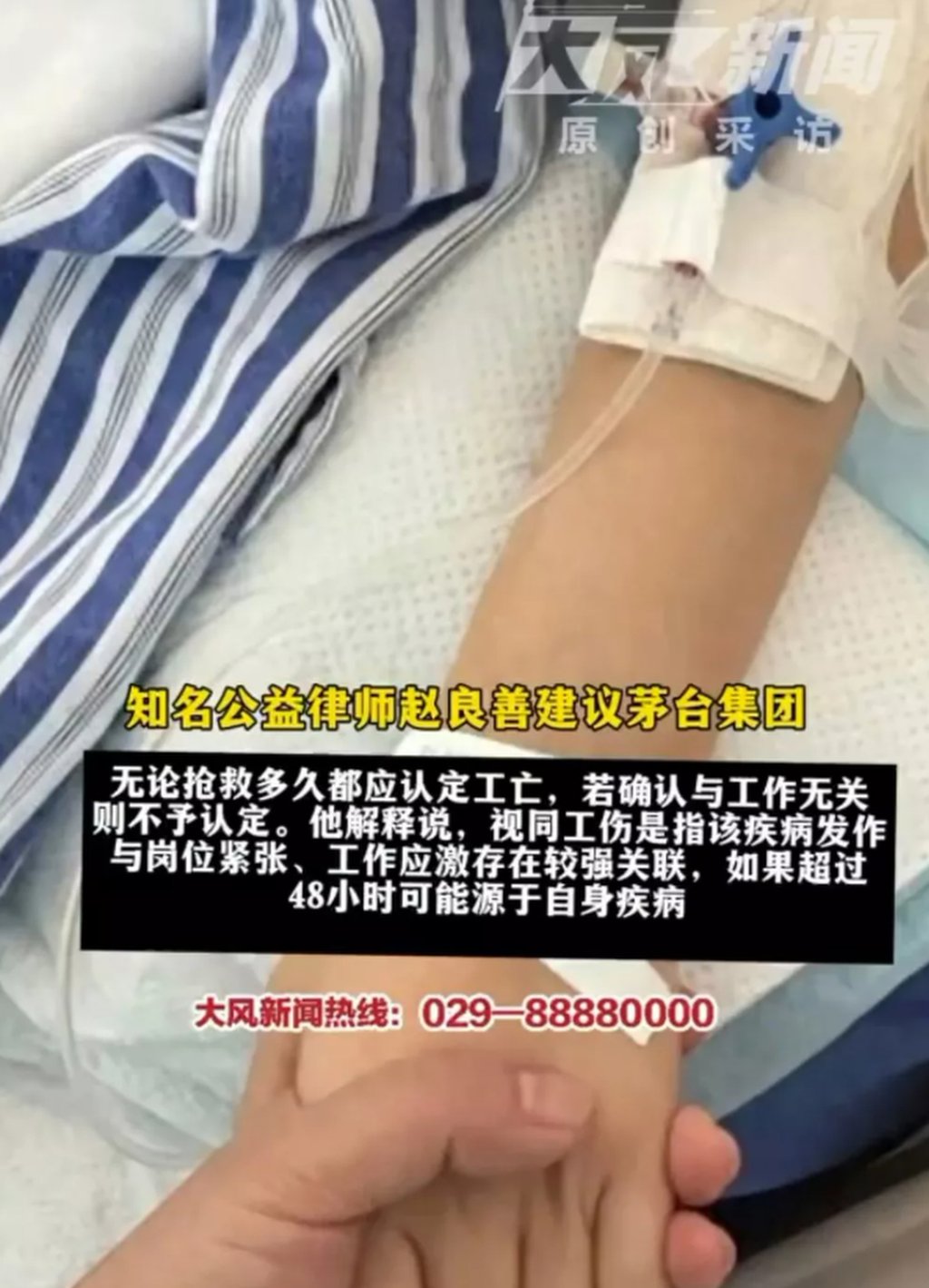
On September 17, the Zunyi Human Resources and Social Security Bureau rejected the application, ruling that Chen did not meet the statutory criteria because emergency treatment continued for 10 days.
Under Chinese regulations, an employee who falls ill at work may have their death deemed work-related if they die at the workplace or within 48 hours despite emergency treatment.
Families in recognised cases may receive funeral subsidies, dependent pensions, and a lump sum death benefit. This year’s one-time benefit is about 1.1 million yuan (US$164,000).
Her mother shared with mainland media that she could not accept the loss of her daughter within 48 hours.
“Even with a one-in-ten-thousand chance, we would still have tried to save her,” she stated.
The family is preparing to request an administrative review of the decision.
Chen underwent annual health checks and had no known underlying illnesses, according to her family, who described her workload as demanding and noted that she was sometimes called back to the hospital at night.
A divorced mother, Chen was raising an eight-year-old son. She had previously been recognised as an “Outstanding Healthcare Worker” and had participated in local Covid-19 prevention efforts in 2021.
Her death has ignited widespread discussion online, with many questioning whether the 48-hour threshold creates a perverse incentive for families facing life-or-death medical decisions.
“No parent will give up on their children as long as there is a little bit of hope,” one online observer commented.
Another urged local authorities to reconsider their decision, adding: “Chen was a dedicated nurse who cared deeply for her patients. How a society treats those who care for others reflects its true values.”
The case resonates with another controversy from April, when a programmer in Shenzhen, southern China, died in a toilet shortly after clocking in for work, leaving behind two children.
The local social security authority determined that his death was not work-related because he “was not at his desk” or “logged onto his computer” before he died.
Such disputes are not uncommon in China.
In July last year, a security guard in Xian died after arriving at work an hour early to prepare for his shift.
His employer denied compensation on the grounds that his death was unrelated to his job, prompting public outrage.
KioskNews shows a cleaned-up reading view extracted from the publisher’s page — the original always lives on their site, not ours.