Delhi’s toxic air plan: Do higher parking fees work?
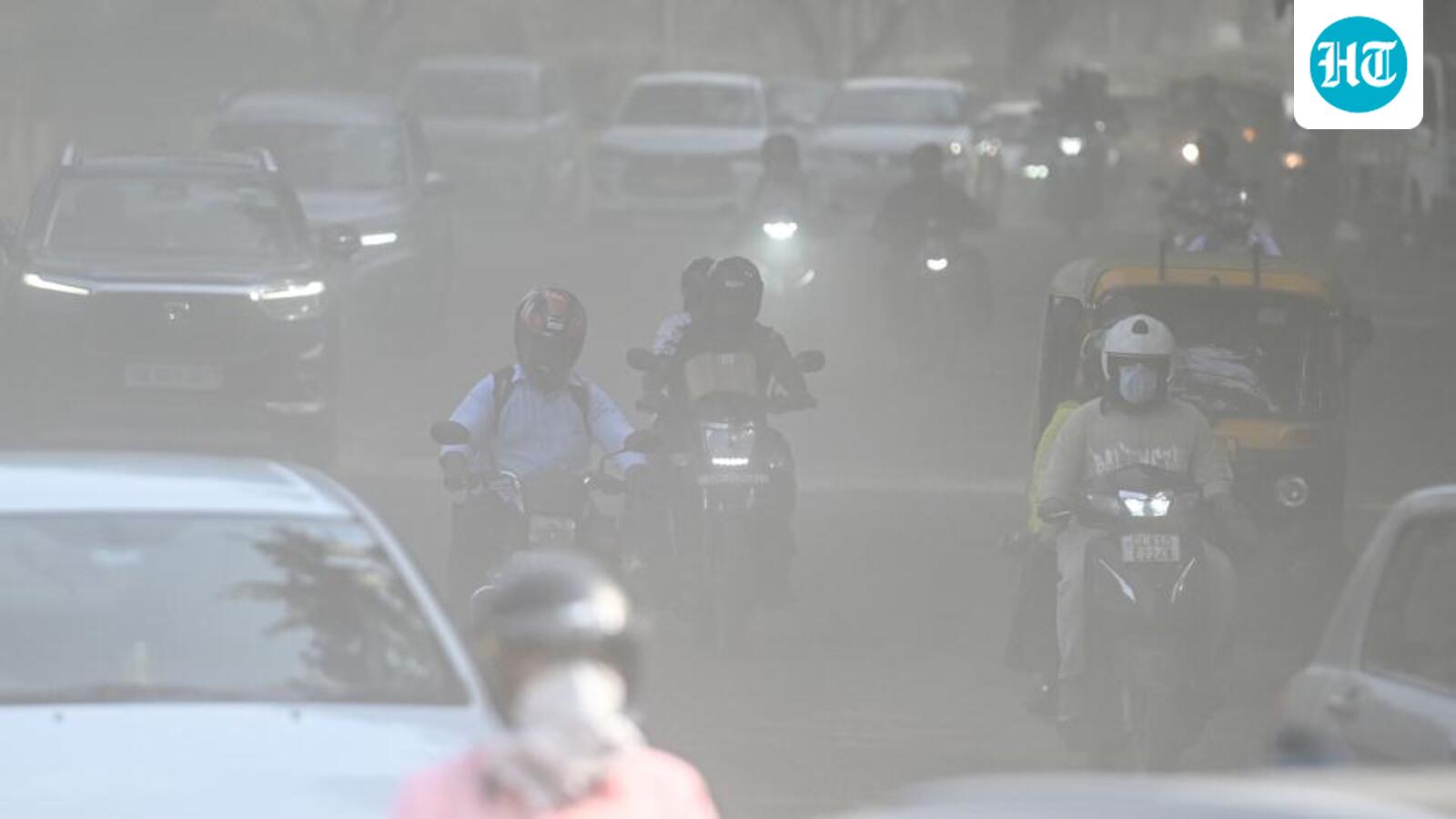
One of the measures the Delhi government announced this week for the upcoming winter pollution season is to double parking rates. However, past experience shows that the move has not been effective in areas under the New Delhi Municipal Council (NDMC), while the Municipal Corporation of Delhi (MCD), which manages more than 96% of the city’s geographical area, has failed to implement it consistently.
Enforcing higher rates in MCD areas requires approval from the civic body’s elected council, which has routinely blocked the proposal. The last time parking fees were raised in MCD areas to combat seasonal smog was in November 2017, when charges were quadrupled under the Graded Response Action Plan (GRAP).
That decision was rolled back after it triggered chaos on the streets. Unwilling to pay the higher fees, drivers abandoned authorised lots to park illegally along the roads.
Also read: Delhi records lowest September AQI in five years at 102, highest ‘moderate’ air quality days in 2026
In its order reversing the 2017 decision, the erstwhile South Delhi Municipal Corporation (SDMC) recorded that “chaotic traffic conditions had occurred and traffic jams were reported from many areas, though a considerable portion of the authorised parking areas remained vacant” after the parking tariff was raised.
A senior municipal official involved in parking management said councillors never signed of on the proposal again.
“We cannot directly increase the parking fee. There are contractual obligations with private parking contractors. This measure was also a part of the Graded Response Action Plan (GRAP) during higher stages of GRAP. We need sanction from the councillors to increase the parking fee,” the official said.
He added that officials had tried over the last several years to raise parking charges to discourage people from using their vehicles during the peak pollution season, but hadn’t received the approval.
Also read: Supreme Court decision to allow green fire crackers may still push pollution to 2025 levels
Under the normal parking fee slab for surface parking, four-wheelers are charged ₹20 per hour, with a maximum of ₹100 a day. Two-wheelers are charged ₹10 per hour.
At multilevel parking sites, the charges are ₹10 for up to four hours for cars and ₹5 for up to four hours for two-wheelers. These rates are expected to double when Delhi faces very high pollution levels (GRAP-2) during winter.
The NDMC, which doesn’t have an elected wing, implements parking fee hikes during the winter months.
However, repeated spot checks by Hindustan Times over the years show the move does little to reduce congestion. An NDMC official acknowledged that higher rates resulted in only a minimal dip in parking lot occupancy during previous cycles.
Dr S Velmurugan, former chief scientist at the Central Road Research Institute (CRRI), said Delhi needed stronger enforcement and a more comprehensive, uniform policy to reduce congestion.
“Agencies will have to increase enforcement against illegal parking and we need a more comprehensive, uniform policy for this measure across the city. It is a form of congestion pricing, but it will not make any impact unless structural changes are made,” he said.
KioskNews shows a cleaned-up reading view extracted from the publisher’s page — the original always lives on their site, not ours.