Cloud seeding starts in Negros amid dry spell
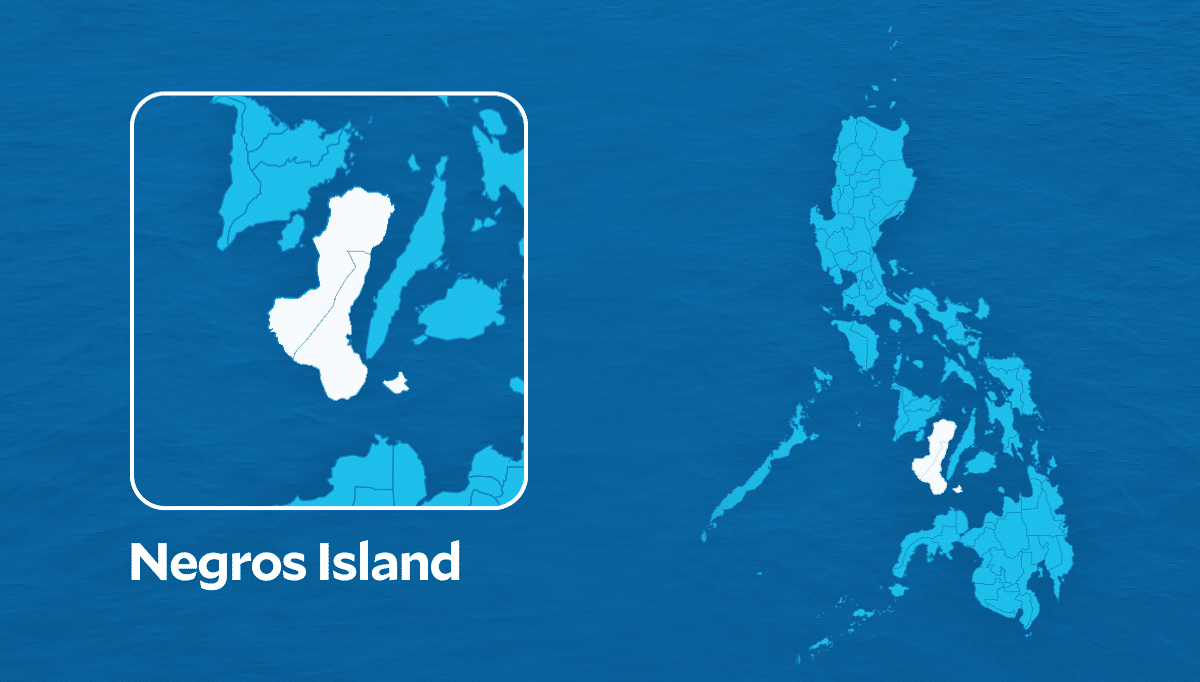
BACOLOD CITY, NEGROS OCCIDENTAL, Philippines — Cloud seeding operations in the Negros Island Region (NIR) and Panay have begun, with eight sorties already completed to bring much-needed rain to areas affected by dry conditions, United Sugar Producers Federation (UNIFED) president Manuel Lamata said Sunday, Sept. 13.
Lamata thanked the Department of Agriculture (DA) and the Sugar Regulatory Administration (SRA) for responding quickly to their request for intervention amid worsening El Niño conditions.
A “super, super El Niño” is expected to affect Negros Occidental starting in October and possibly lasting until the first quarter of 2027, Gov. Eugenio Jose Lacson earlier said.
Article continues after this advertisement
The dry spell is already being felt in parts of the province.
FEATURED STORIES
NEWSINFO
NEWSINFO
NEWSINFO
READ: Palace: Govt steps up preparations for ‘very strong’ El Niño
Lamata said four cloud seeding sorties had been conducted in Panay and four in the Negros Island Region.
“All sorties have been successful, with the latest conducted Saturday in Bayawan (Negros Oriental), which brought very much-needed rain,” Lamata said, citing a report from UNIFED member Adnan Buenafe.
Lamata added that Toboso Mayor Richard Jaojoco also confirmed rainfall in the municipality, sharing video footage of showers in Barangays San Isidro and Bug-ang.
Article continues after this advertisement
He said cloud seeding was vital not only to ease drought stress on sugarcane crops but also to help curb the spread of the Red Stripe Soft Scale Insect (RSSI), a pest whose infestations tend to worsen during dry weather.
To sustain the operation, Lamata asked SRA Administrator Pablo Luis Azcona to coordinate with Agriculture Secretary Francisco Tiu Laurel Jr. for additional funding to expand cloud seeding coverage across the region.
Article continues after this advertisement
Lamata also renewed his call for the Negros Occidental provincial government to acquire its own aircraft for aerial spraying and cloud seeding operations.
“As the country’s top sugar-producing province, we must be self-reliant in responding to recurring climate threats and pest outbreaks,” Lamata said, noting that frequent dry spells in recent years have underscored the need for long-term disaster preparedness. /cb
KioskNews shows a cleaned-up reading view extracted from the publisher’s page — the original always lives on their site, not ours.