10 Classic Rock Songs That Feel Like They Belong in Stephen King's Novels, Ranked

Corinne Johnson is the Lead Music Editor at Collider, based in Los Angeles, covering music, reality TV, pop culture, and entertainment news. She holds a Master’s degree in English and began her writing career in 2018 with her digital publication The Daily Corinne, focused on fashion, lifestyle, and relationships. Her passion for television was sparked by The Real Housewives franchise and expanded into hands-on experience working on film and television sets.
Stephen King has always possessed the extraordinary gift of turning ordinary people, places and moments into something deeply disturbing. A quiet small town can hide a terrible secret like in Salem’s Lot, a somewhat harmless hotel can become a place of unimaginable horror like in The Shining, and even a childhood memory can take shape in the most sinister way like It. Stephen King’s stories have a way of making the ordinary feel electric and emotional, which is exactly how some of classic rock’s most memorable songs make you feel.
There are so many classic rock songs that sound like they were pulled straight from the pages of a Stephen King novel. Some songs are generally dark and unsettling, while other tracks already have an eerie feeling that makes their lyrics feel more sinister than they actually appear. From songs that feel like they were actually written for a Stephen King novel to hits that simply sound like the perfect soundtrack to a nightmare, these 10 classic rock songs feel like they belong in Stephen King’s world, ranked.
10 'The Mist' (1980)

Stephen King’s The Mist is quite literally about not knowing what is waiting outside, which makes The Doors' "Riders on the Storm" an official way to start this list. The song creates a world where danger seems to be everywhere without any clear explanation. But this is also the same attribute that makes King’s novella so effective. The people trapped inside the grocery store don’t have any idea what created the mist, what is living inside of it or whether stepping outside means death. The Doors build up the same feel through the song’s hypnotic feeling of a drifting atmosphere. Everything between this novella and this song feels like it's suspended between reality and a nightmare. And just like The Mist, the song never gives you the comfort of knowing exactly what is coming next.
9 'Cujo' (1981)

When it comes to Stephen King’s Cujo, "Who’ll Stop the Rain" by Creedence Clearwater Revival is probably not the first song that comes to mind when thinking about this book. Creedence Clearwater Revival’s song has that weary, helpless quality that fits a story where ordinary people suddenly find themselves trapped in a situation that is out of their control. Cujo strips away almost every aspect that makes life feel safe. A family car becomes their prison, a yard that was once a sacred safe space becomes dangerous territory, and the dog becomes an unstoppable threat. There is no supernatural mastermind or explanation as to why this is happening. The only things that remain are fear, bad circumstances, and the desperate hope that someone will eventually make it out. "Who’ll Stop the Rain" is perfect because it captures that feeling of waiting for something outside your control to end.
8 'Christine' (1983)

Creedence Clearwater Revival makes this list again, but this time it's for Stephen King’s Christine and "Bad Moon Rising" is the perfect fit. The song has one of those deceptively cheerful sounds that makes its lyrics even more unsettling. "Bad Moon Rising" feels like a warning that something terrible is coming while maintaining its catchy carefree quality. King’s novel does something very similar with Christine, a beautiful old car that initially seems like an exciting new possession before its true nature becomes clear. In the novel, Arnie Cunninham thinks he has finally found something that can make him feel relevant, powerful and important only for it to turn into the car taking over his life. There is something quite creepy but, in the best way, about pairing an upbeat song with a story about murder and supernatural possession. Sometimes the scariest warning is the one you don’t take until it’s too late.
7 'Misery' (1987)
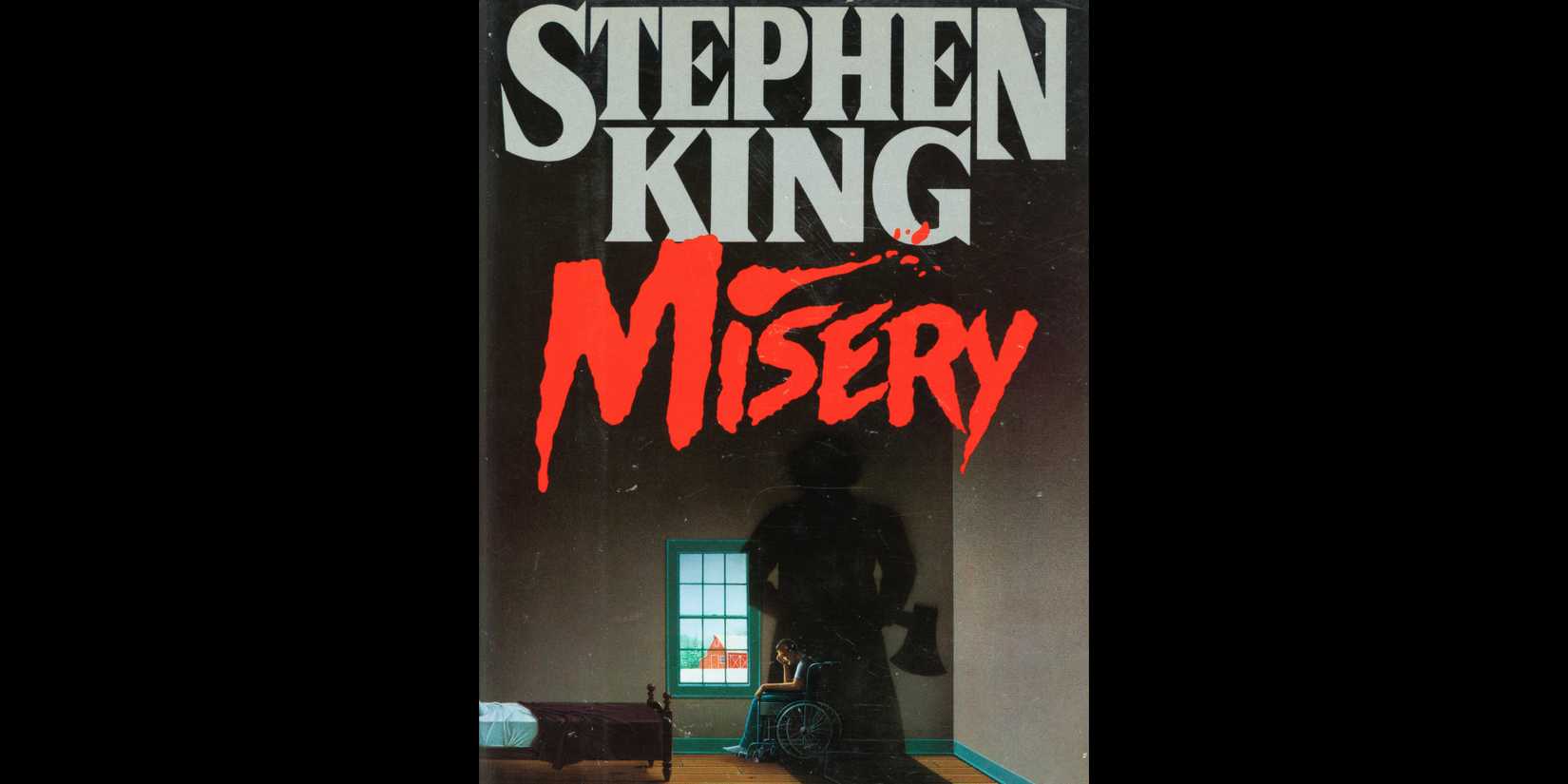
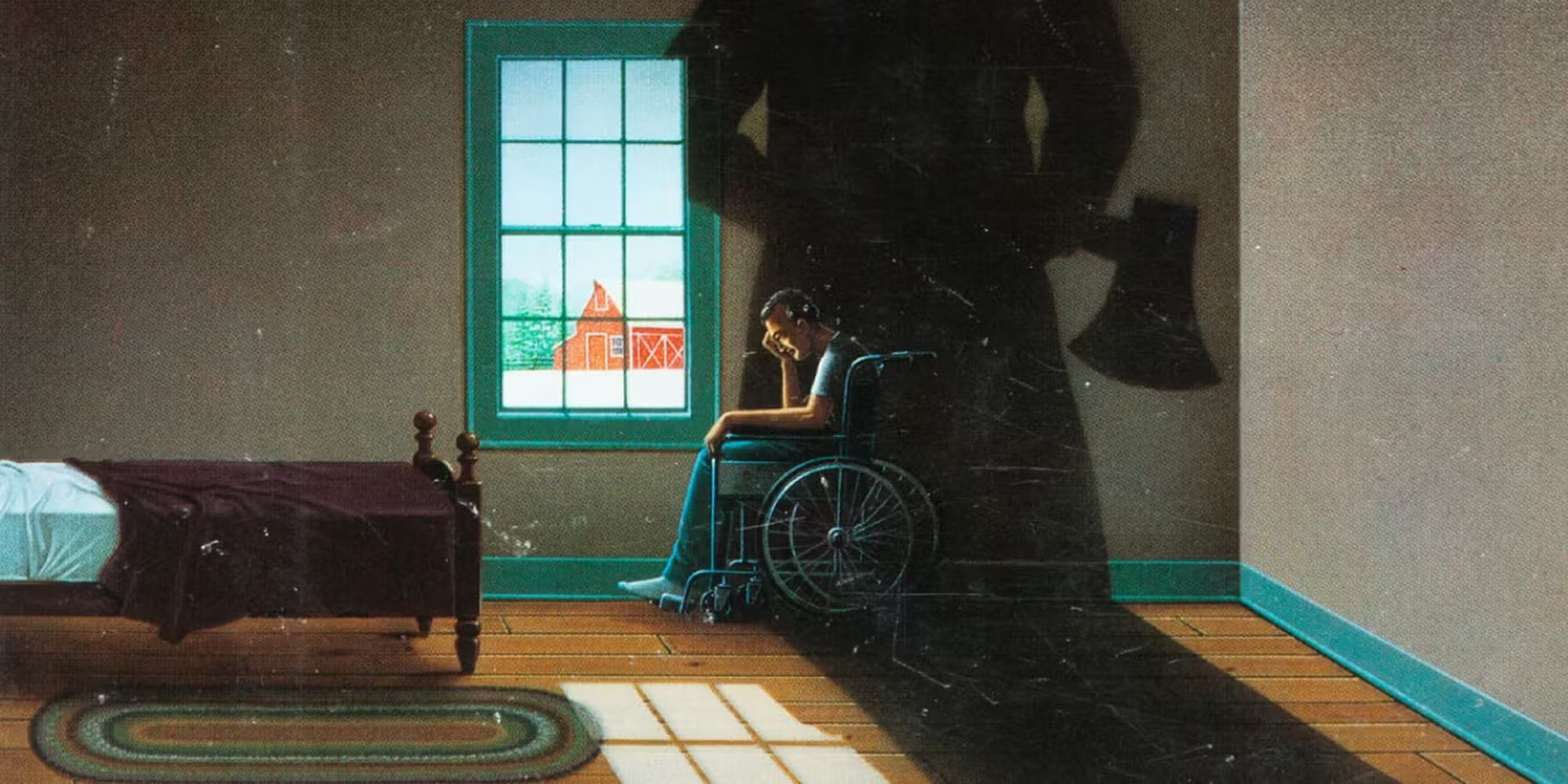
This one may come as a bit of a surprise, but The Who’s "Behind Blue Eyes" goes perfectly with Stephen King’s Misery. It’s a good match because the song is built around the loneliness and frustration of someone who is completely misunderstood or at least they feel that way. Paul Sheldon spends much of the novel trapped inside his own head, physically unable to escape Annie Wilkes while trying desperately to keep some control over his life. The Who’s song has that similar sense of someone hiding an enormous amount of anger beneath a quiet exterior. Another reason why it works so well is because Misery is ultimately about what happens when another person believes they know you better than you know yourself. Annie doesn’t give a damn about who Paul really is. She only cares about the version of him she has created in her head. That same feeling is what makes the songs’ wounded, isolated viewpoint feel right at home in Paul’s nightmare.
6 'Carrie' (1974)
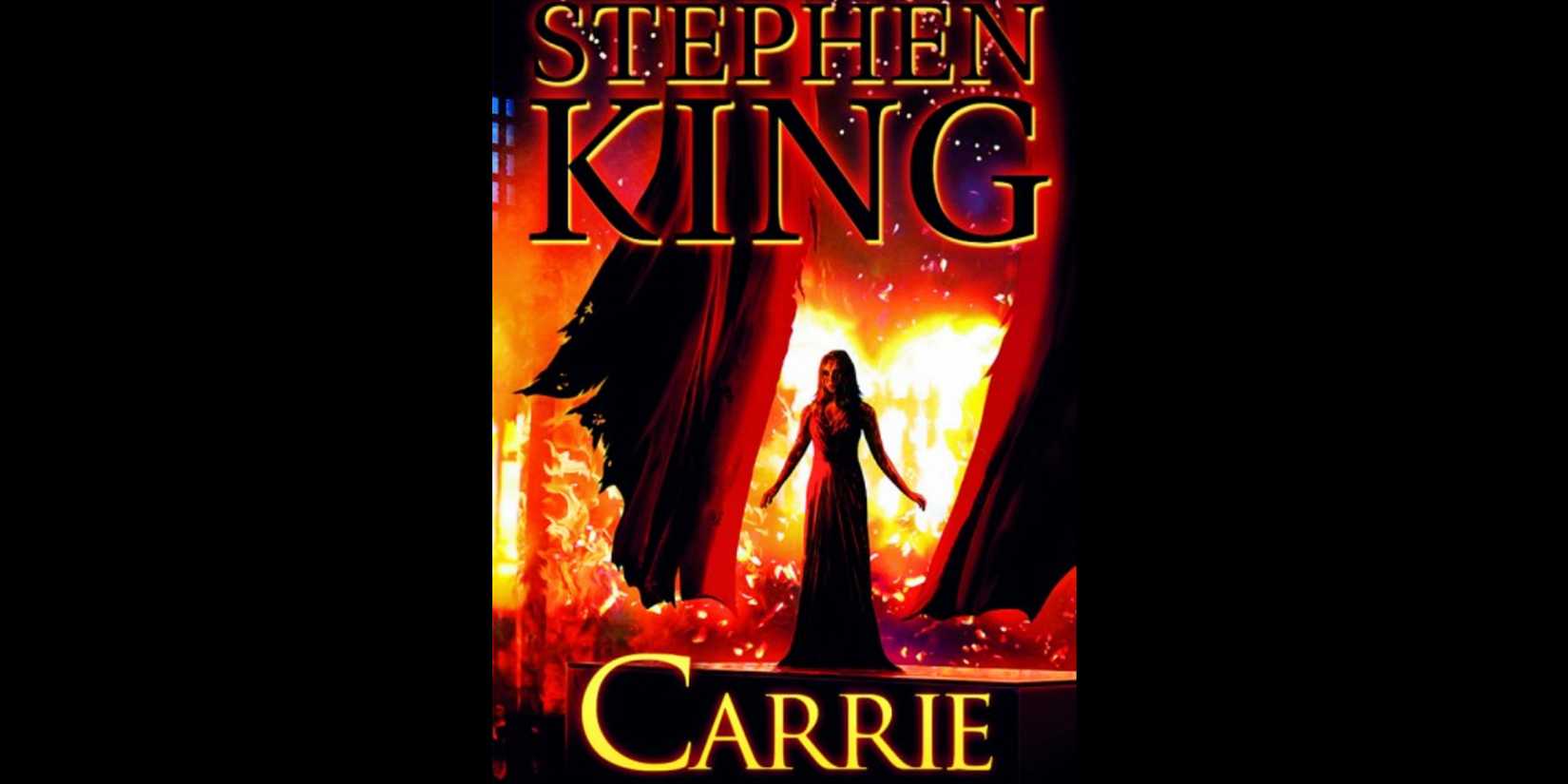
"Sympathy for the Devil" by The Rolling Stones is the only fit for Stephen King’s Carrie. Carrie is bullied, abused by her mother, humiliated and pushed to no ends toward her breaking point before she finally unleashes everything she has on everyone in her path. The Rolling Stones’ song takes the perspective of evil itself, which has created a parallel with a girl who is gradually transformed from victim into something very terrifying. There is also a religious undertone at play here that fits Carrie’s world, especially because her mother uses religion as a form of punishment. By the end of the book, Carrie has become something everyone fears, but Stephen King does a great job of showing us how she got there first. This also makes "Sympathy for the Devil" feel less like a song about a villain and more so a song about how a villain is created.
5 'It' (1986)

Another Rolling Stones song that fits perfectly in Stephen King’s universe would be “Paint It, Black” and it aligns with the classic It. The Rolling Stones turned grief into something almost physical, and you can feel the emotional darkness throughout the song. The same emotional darkness is important to King’s novel because It isn’t just about Pennywise. Underneath the monster, the novel explores a story about childhood trauma, death, fear and the wounds people carry into adulthood. The Loser’s Club has to eventually return to Derry and confront those childhood memories they spent years trying to forget. The Rolling Stones song has the same feeling of being unable to see the world the way you once did.
4 'Salem's Lot' (1975)
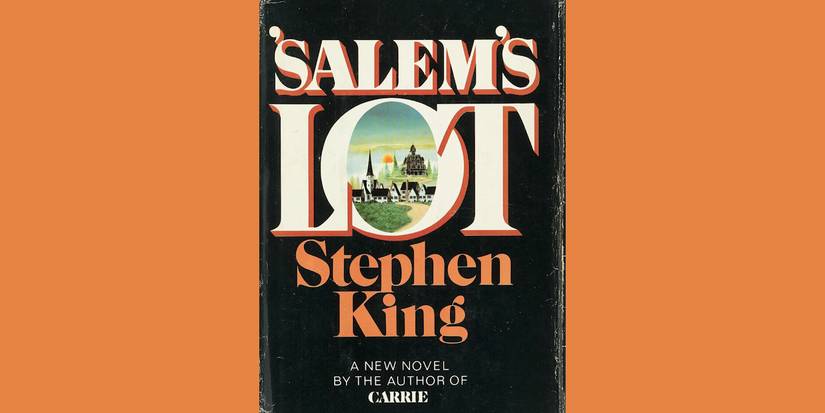
This entry barely needs an explanation, and it definitely doesn’t require overthinking. Stephen King’s Salem’s Lot is the epitome of Black Sabbath’s song title with the same name. "Black Sabbath" sounds just like evil walked into town and nobody knows what to do about it, which makes it a natural fit. In King’s novel, it seemingly starts out with this ordinary small town, but slowly it's revealed that something sinister has moved in. The song has that same feeling of dread that arrives before anyone fully understands what they’re dealing with. It isn’t simply heavy or dark; there is something genuinely threatening about the atmosphere. Salem’s Lot is one of King’s best examples of how terrifying it can be when an entire community becomes infected by something evil, and "Black Sabbath" sounds like a matching composition.
3 'Pet Sematary' (1983)

"(Don’t Fear) The Reaper" by Blue Oyster Cult is literally about accepting death rather than actively seeking it, but the eerie mindset of mortality makes it a perfect match for Stephen King’s Pet Sematary. In the novel, Louis Creed cannot accept the idea that death is not only final but that it has come to take his son, which is what makes this novel devastating. The song approaches death in a calming manner, suggesting that you shouldn’t be afraid of death and that you should embrace it. This is clearly the opposite of what takes place in Pet Sematary which makes the song a natural fit. Pet Sematary takes the same idea and twists it into a nightmare by showing what happens when someone cannot accept death as the final word. The song may sound peaceful about death, but when it's paired with King’s novel, that peace quickly becomes more and more unsettling.
2 'The Stand' (1978)
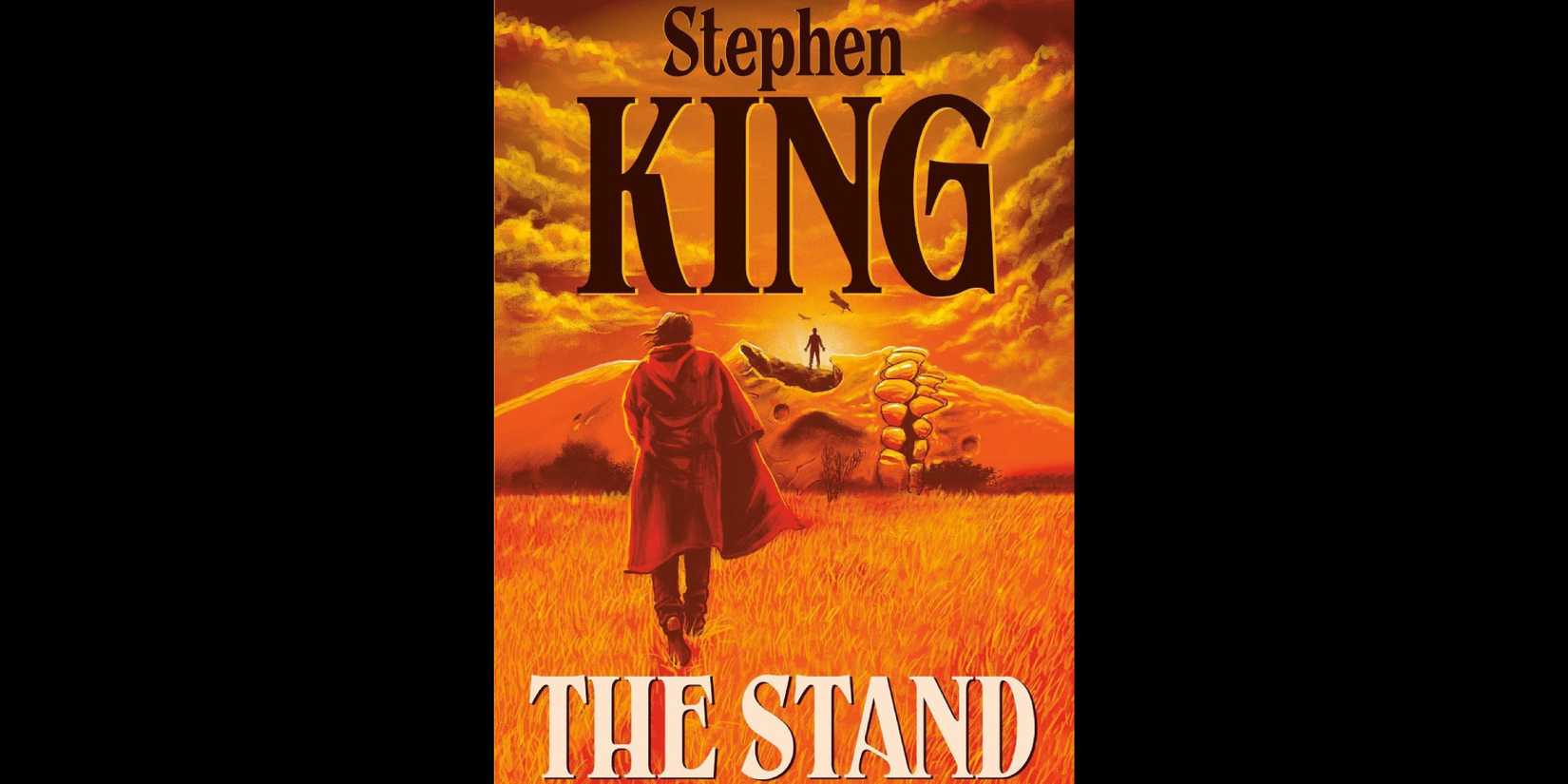
Stephen King’s The Stand can truly only be paired with Bob Dylan’s "Desolation Row" and here’s why. Dylan’s track doesn’t tell a straightforward story. In fact, the reason it works so well is that the song throws historical figures, criminals, lovers, fictional characters and strange outsiders into one chaotic world where nothing seems to make sense. King does something similar with The Stand, we have a broken America with a large group of characters who are all trying to figure out how to find their place after the collapse of civilization. There is also something very strange about the song’s sense of society falling apart while everyone keeps moving on regardless. Dylan turns the world into a bizarre display of people and ideas while King turns a post-apocalyptic America into his own version of Desolation Row.
1 'The Shining' (1977)
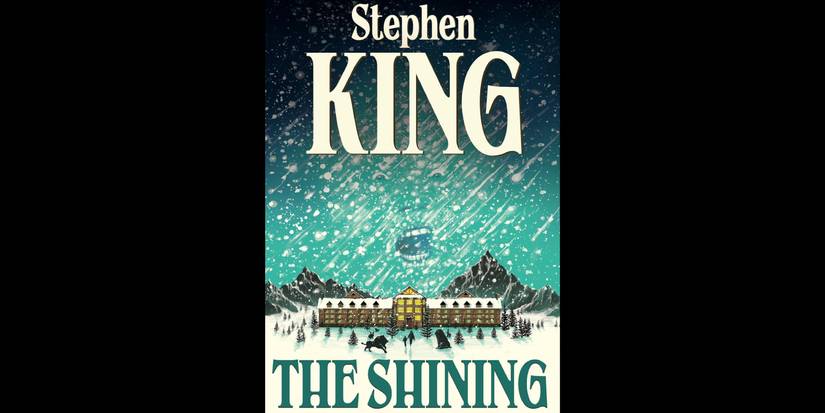
One of Stephen King’s greatest stories ever written, The Shining, is perfectly suited to the Eagles' classic hit song "Hotel California." At its root, the song is about entering a place that seems inviting at first, but then you realize that is far from the truth. This essentially becomes Jack Torrance’s entire experience at the Overlook Hotel. The luxurious setting, the strange people wandering about inside, and that growing feeling that something is deeply wrong all mirror’s "Hotel California" unsettling journey. Even the Eagles’ description of the song as a journey from innocence to experience feels fitting for Jack, who is attempting to start over at the Overlook, but things become quite dark fast. "Hotel California" doesn’t sound like a song about a haunted hotel, but it definitely describes the dark side of excess. When it's put next to Stephen King’s most famous haunted hotel, they’re essentially telling the same story.
KioskNews shows a cleaned-up reading view extracted from the publisher’s page — the original always lives on their site, not ours.