Meta puts its AI assistant on a keychain
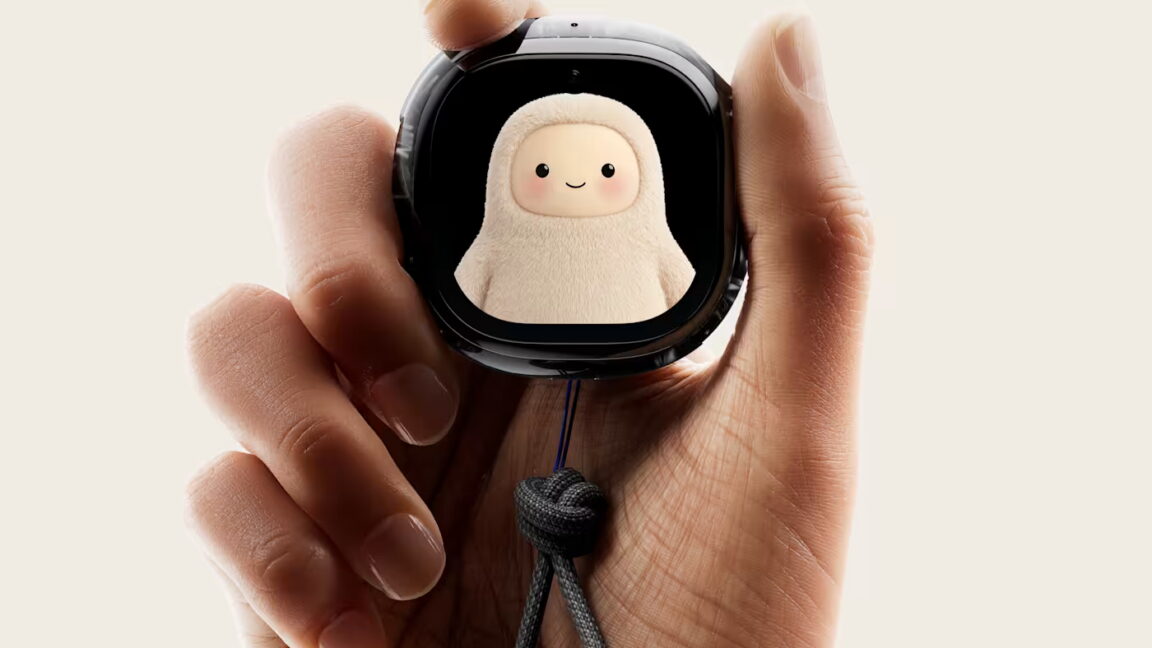
Whether Zuckerberg will emerge vindicated in the long term in his AI strategy—for both his Muse assistant and AI wearables—will depend on whether the new features can withstand potential privacy and security issues as its user base grows.
The Meta chief has bet that smart glasses and other portable devices will become one of the main ways consumers interact with AI, despite critics dubbing its camera-toting Ray-Bans “pervert glasses” after intrusive videos hit Instagram and TikTok.
Sold in partnership with eyewear group EssilorLuxottica, the glasses have inbuilt speakers, microphones, and cameras that can be used to take photos, listen to music, and chat with Meta’s AI.
Critics claim they are being used to record others without their knowledge. Currently, the Meta glasses have an LED in the corner of the frame that lights up to signal to others when a wearer is taking photographs or filming.
On Wednesday, Zuckerberg announced a pair of Ray-Bans with no camera that customers can interact with using audio only, alongside several new frame styles from Ray-Ban and the cheaper Meta glasses range.
Meta also launched new virtual reality glasses, which will be available next spring for $1,300 and are five times lighter than the previous Quest 3 model.
Meta said the Muse assistant would soon be available on its glasses. Users will also now be able to have a hyper-realistic digital avatar represent them on video calls while they are wearing the glasses since the spectacles cannot film the wearer’s face.
The avatars use hologram technology that Meta has been working on for years.
Meta—so far the only large AI lab to have rolled out a consumer-friendly agentic assistant—hopes Muse will be able to become highly personalized for users if it is able to access data from activity on its social platforms.
But the company will have to convince consumers to connect personal data, such as their email inbox, financial services apps, or calendar, with the bots, which run on the social media group’s Muse family of models, at a time when AI agent technology can still make errors or potentially go rogue.
Meta has already had to issue a fix for a vulnerability that could allow a hacker to take control of another person’s Muse agent. Meanwhile, Amazon has blocked Meta’s agents from accessing its shopping platform as part of efforts to prevent third-party bots from using its systems.
© 2026 The Financial Times Ltd. All rights reserved. Not to be redistributed, copied, or modified in any way.
KioskNews shows a cleaned-up reading view extracted from the publisher’s page — the original always lives on their site, not ours.