In every trans woman’s life, there is a Dorothy
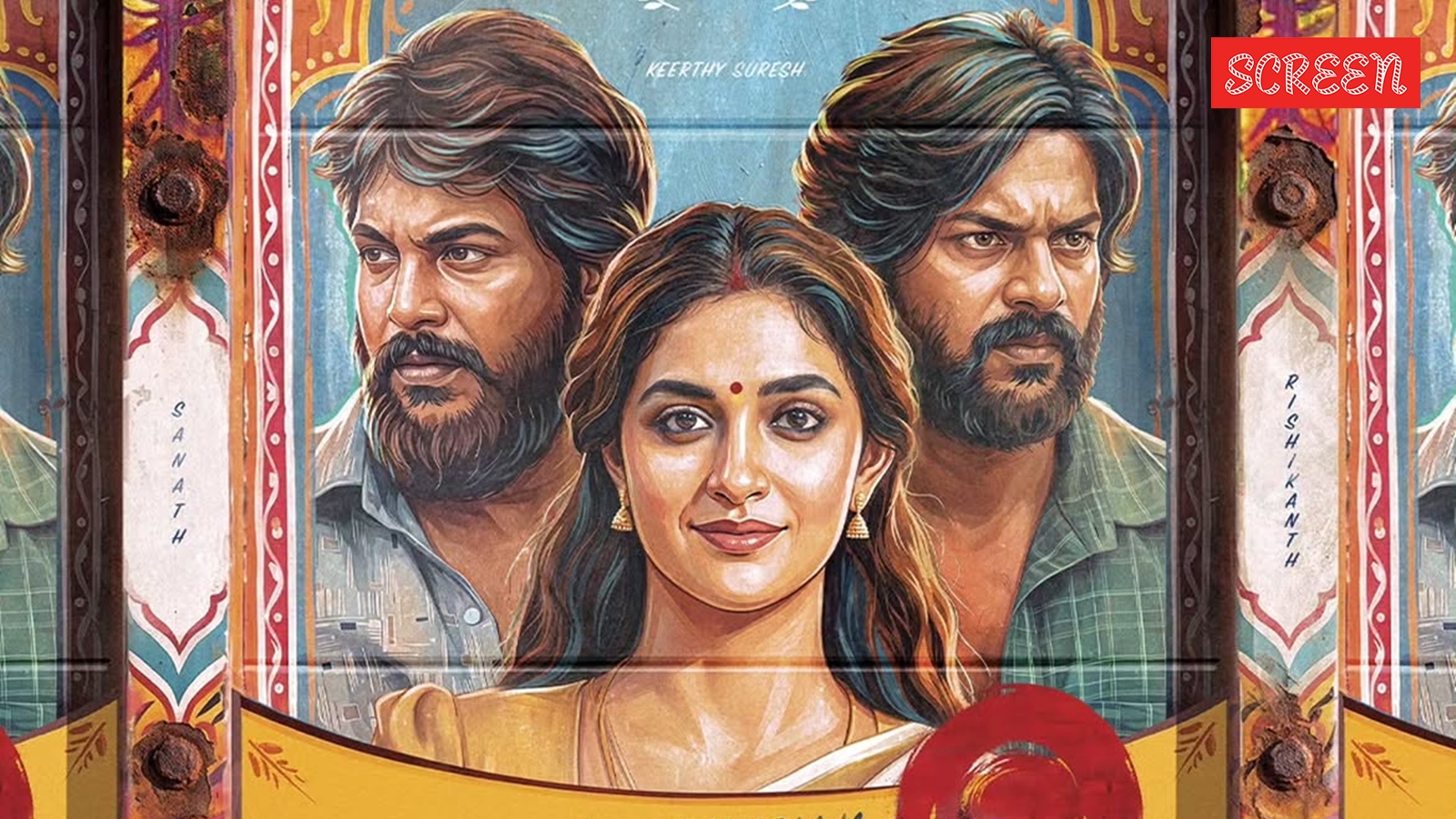
What troubles us is not the debate surrounding the film, but what this has chosen to focus on. (Credit: IMDb)
Written by: Negha, Priya Angamuththu
4 min readOct 8, 2026 06:17 AM IST First published on: Oct 8, 2026 at 06:17 AM IST
A society disturbed by a kiss must first ask why it is unable to see a trans woman’s pain, love, and humanity. The Tamil film Dorothy, directed by Karthik Subbaraj, engages with a society still struggling to recognise transgender people as complete human beings. What troubles us is not the debate surrounding the film, but what this has chosen to focus on. A story exploring caste, patriarchy, family, systemic violence, toxic masculinity, and gender politics has been reduced to one question: How can a trans woman kiss a man?
Why does that kiss spark such moral panic? Calling it “two men kissing” reveals a refusal to recognise a trans woman as a woman. But beyond that, why should intimacy cause such discomfort? Set in the 1990s, Dorothy reminds us of the real-life Dorothys whose stories were never documented, living through an era where gender, caste, and class inflicted severe violence on women’s bodies. Through a sharp intergenerational lens, Subbaraj confronts a centuries-old system now struggling to digest the truth. This conflict forces a deeper inquiry into identity: Who is Dorothy to Subbu? Is she a mother? A sister? A sister-in-law?
Before demanding answers, society must face a simpler question: Do you accept Subbu as Dorothy? Change is not an overnight process, but opposing and ignoring the struggles of another human remains deeply inhumane. A section of viewers forgets how Subbu struggled to guard her kaitiakitanga, her protective, nurturing femininity in a male-dominated world, only to obsess over a single kiss in the final scene. In truth, Dorothy represents the collective feminine that nurtures and protects a trans woman’s emerging identity. In real life, Dorothy takes many forms: Mothers, mentors, female educators. In every trans woman’s life, there is a Dorothy; most often, she is another woman.
Music is a vital pillar of this sanctuary. For decades, mainstream Tamil cinema offered transgender and queer people little more than ridicule. In Dorothy, Ilaiyaraaja’s score feels like a balm to those wounds. Music provides a space where trans women safely explore their identity, historically through Ilaiyaraaja and Swarnalatha compositions like ‘Enulle enulle’, and ‘Muthumani’, now a trans anthem. In many ways, Ilaiyaraaja himself embodies Dorothy through the emotional shelter his art bestows.
The film’s visual grammar speaks volumes. Karthik’s choices such as the slow-motion parotta and salna sequence or the sharp presence of the chappathi kalli (prickly pear cactus) vividly convey the weight of toxic masculinity enforced upon trans bodies.
This depth extends to performance and casting. Sanath’s performance deserves appreciation for its vulnerability and commitment. Yet, when cisgender actors consistently receive accolades for portraying transgender characters, it raises an undeniable question: Where does that leave trans actors who have spent years fighting simply to be cast? At the same time, Dorothy’s inclusion of trans actors and the international platform given to artists like Jeeva is meaningful. True representation must extend beyond who plays the lead; it must be about who gets access to opportunities.
Dorothy is a gift and a necessary step forward. To shift the collective consciousness and urge the public to view every person as human, Tamil cinema needs hundreds of more films like Dorothy, Super Deluxe, and Natchathiram Nagargiradhu.
Negha is an actor, writer, and co-founder of Queer Casting, Angamuththu is a law student
KioskNews shows a cleaned-up reading view extracted from the publisher’s page — the original always lives on their site, not ours.