Huawei, once hobbled by US sanctions, passes 100 million Kirin chip milestone
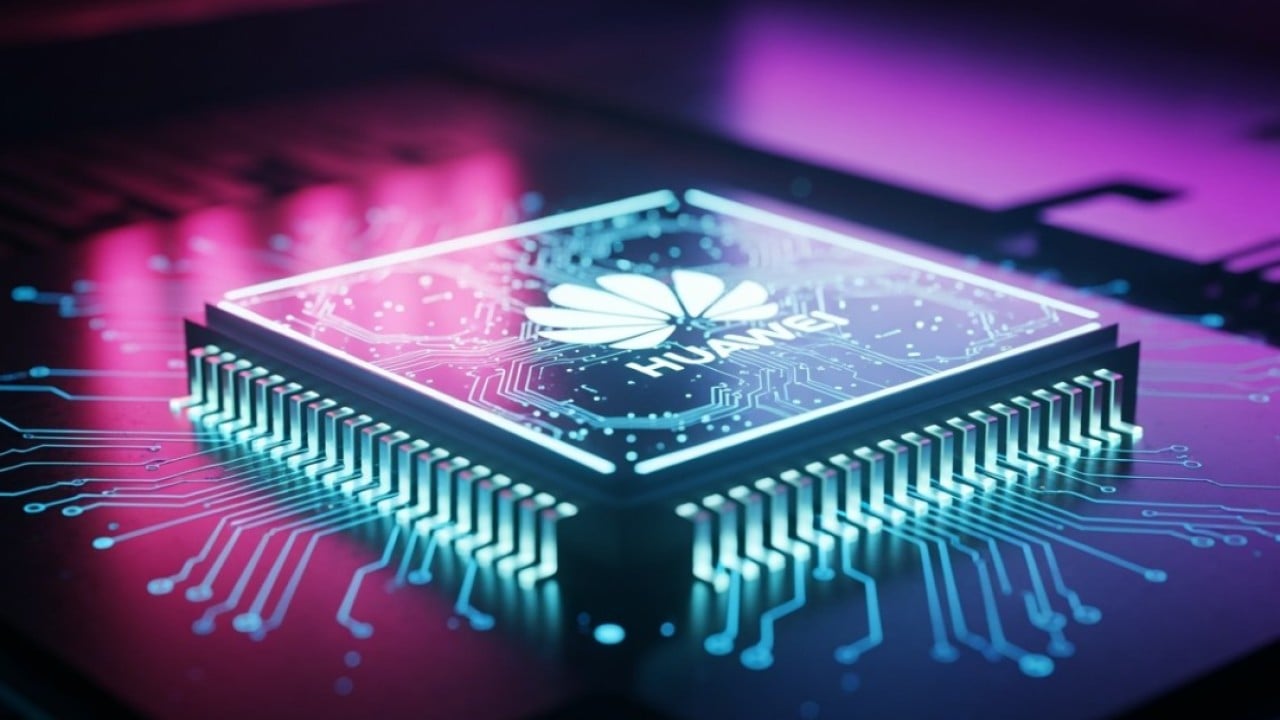
Huawei Technologies has shipped more than 100 million devices powered by its Kirin processors since 2023, when it returned to the smartphone market with a new generation of premium handsets. The company says testing of its next-generation Kirin 2027 chip is also progressing in line with expectations.
The company disclosed the figure on Tuesday as it unveiled new details about its flagship Kirin 9050 series, the first mass-produced chip using its proprietary LogicFolding architecture, developed under a framework it calls the Tau Scaling Law.
Huawei said the new chip design integrates more than 50 million hybrid bonds and improves transistor density by 53.5 per cent. “The Kirin 9050 series has successfully achieved mass production with the support of China’s domestic electronics supply chain,” the company said.
Chinese media outlet Yicai reported on Tuesday that Huawei had also begun testing its next-generation Kirin 2027 processor, with preliminary results meeting the company’s targets. The report cited Xu Songyu, a director responsible for wireless device chips at Huawei’s semiconductor business.
Speaking at a press briefing on Tuesday in Shanghai, Xu said progress on LogicFolding had surpassed Huawei’s expectations despite early uncertainty over whether the technology could be manufactured at scale while maintaining production yields, according to Yicai.
The company did not immediately respond to the South China Morning Post’s request for comment.
LogicFolding is a technique under Huawei’s Tau Scaling Law, which was announced in May. The approach proposes a major shift in semiconductor development by improving how quickly data moves between parts of a chip and across a computing system.
The strategy aims to extract more computing power through optimised semiconductor designs without relying on the most advanced chipmaking equipment, particularly the world’s cutting-edge lithography tools blocked by US-led export controls.
Huawei is also expanding its business in semiconductors used to power artificial intelligence systems, with its Ascend AI chips gaining ground in the Chinese market as Washington’s restrictions limit access to the most advanced American processors.
The company shipped 572,000 AI accelerators in the first half of 2026, up from more than 300,000 a year earlier, capturing a 28 per cent share of China’s data centre AI chip market, according to research firm IDC data reported by Reuters. AI accelerators are specialised processors used to train and run AI models.
Nvidia shipped 678,000 AI accelerators in China over the same period, giving it 34 per cent of the market, down from 44 per cent a year ago, Reuters reported, citing IDC, which declined to comment on the data.
Huawei’s chip ambitions suffered a setback in 2020 when tighter US sanctions barred the company from using the foundry services of Taiwan Semiconductor Manufacturing Company. The company returned with its home-grown Kirin 9000s processor in 2023, which powered its Mate 60 Pro smartphone.
KioskNews shows a cleaned-up reading view extracted from the publisher’s page — the original always lives on their site, not ours.