Inner London house prices suffer biggest annual fall in 17 years

House prices in inner London dropped by 7.2 per cent in the year to September, the steepest annual fall recorded in the area since August 2009, according to Office for National Statistics (ONS) figures.
The decline was described as “eye-watering” by Sarah Coles, head of personal finance at AJ Bell, who said affordability challenges for first-time buyers were among the issues to have taken a toll.
Highlighting high mortgage rates, she said: “Buyers need to take care not to overstretch themselves, particularly in London.
“Negotiating a good deal is essential, but for first-time buyers, the real key is to build as big a deposit as possible, to provide a cushion to protect you from price falls.”
Across London as a whole, the ONS said prices fell by 3.5 per cent on average in the 12 months to September.
Outer London saw a much smaller annual decline, with values down by 0.1 per cent typically. The average price of London flats fell by 6.3 per cent annually in September, the ONS also said.
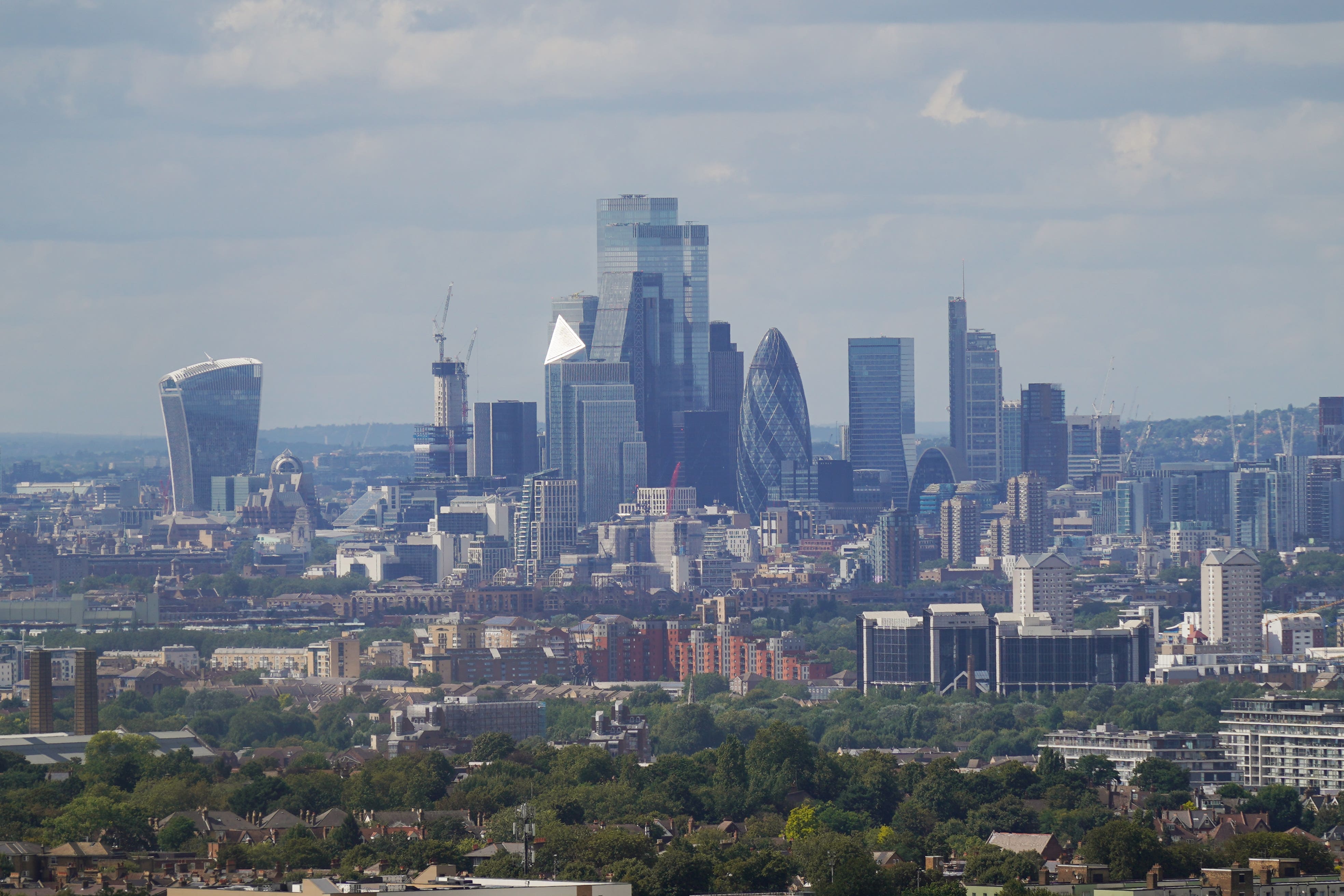
That marked the 14th consecutive month of annual price falls for London flats.
The report said: “Flats account for around half of all property sales in London, compared with around one fifth across Great Britain, contributing to the overall annual decrease in London’s average price of 3.5 per cent in the 12 months to September 2026.”
Jonathan Hopper, chief executive of Garrington Property Finders, said: “Average property prices in inner London fell by a bruising 7.2 per cent in the year to September, while prices on the periphery ticked down a mere 0.1 per cent.
“This huge divergence reflects the gulf between the buyers typically drawn to the two areas.
“Demand in outer London comes largely from domestic buyers, and while this has softened over the past year, it has been resilient.”
Central London homes meanwhile often attract discretionary and international buyers, he said.
Property firm Savills has said it expects London to lag behind a wider house price recovery in the years ahead.
It said stretched affordability will limit the scope for price growth even when mortgage rates start to ease, with an expectation for this to happen from 2028.
Elsewhere in the UK, house prices increased by 1.2 per cent on average in the 12 months to September, unchanged from the annual increase recorded in August, the ONS said.
The September increase took the typical UK property value to £273,000.
Average house prices increased to £293,000 in England, a 0.8 per cent annual rise.

In Wales, the average price was £215,000, up 1.8 per cent.
Scotland saw an average of £198,000, an increase of 2.3 per cent.
In Northern Ireland, the average house price in the third quarter of 2026 was £207,000, a 7.4 per cent annual increase.
Within England, the North East recorded the highest annual house price inflation in September, at 4.6 per cent.
ONS head of housing market indices Aimee North said: “Annual UK house price inflation remained unchanged in September, with the North East the English region with the highest annual inflation and London the lowest by some margin.”
Separate figures indicated that households are facing further squeezes on their budgets in the coming months.
The ONS said on Wednesday that the rate of Consumer Prices Index (CPI) inflation was 3.6 per centin October, up from 3.5 per cent in September.
ONS figures released on Tuesday showed regular earnings growth eased to 3.5 per cent in the three months to September, indicating rising living costs are on track to surpass wage growth.
Mark Harris, chief executive of mortgage broker SPF Private Clients, said: “Swap rates, which underpin the pricing of fixed-rate mortgages, have continued to climb in the past few days, although there has been a mix of pricing movements by lenders, with some trimming rates.”
David Hollingworth, associate director at L&C Mortgages, said the inflation figure “will do nothing to take the heat out of the potential rise in interest rates”.
He said: “Although some lenders have pruned some of their fixed rates in recent weeks, those cuts don’t look likely to become the ongoing trend for mortgage rates.”
Richard Donnell, executive director at Zoopla, said: “There is plenty of demand to buy homes but buyers are more selective and price sensitive.”
Nick Leeming, chairman of estate agency Jackson-Stops, said: “For sellers, realistic pricing and an understanding of local market conditions remain essential to attracting buyers and achieving a successful sale.”
Amy Reynolds, head of sales at London-based estate agency Antony Roberts, said: “November has been our strongest month since the summer, with an increase in the number of viewings and sales agreed compared with both September and October.”
Nathan Emerson, chief executive at property professionals' body Propertymark, said: “Looking ahead, there are still several economic factors that could influence market activity.
“Inflationary pressures, particularly following this morning's figures, higher energy bills and the recent (Bank of England) base rate increase are all likely to have a bearing on household budgets, mortgage affordability and overall consumer confidence.
“As a result, some buyers and sellers may choose to delay their plans or take a more cautious approach, particularly when faced with the financial commitments involved in moving home.”
The ONS also said that the average monthly private rent in the UK was £1,411 in October 2026, a £51 or 3.8 per cent annual increase.
KioskNews shows a cleaned-up reading view extracted from the publisher’s page — the original always lives on their site, not ours.