Meerut ‘blue drum’ murder convicts Muskan, Sahil challenge death sentence in high court
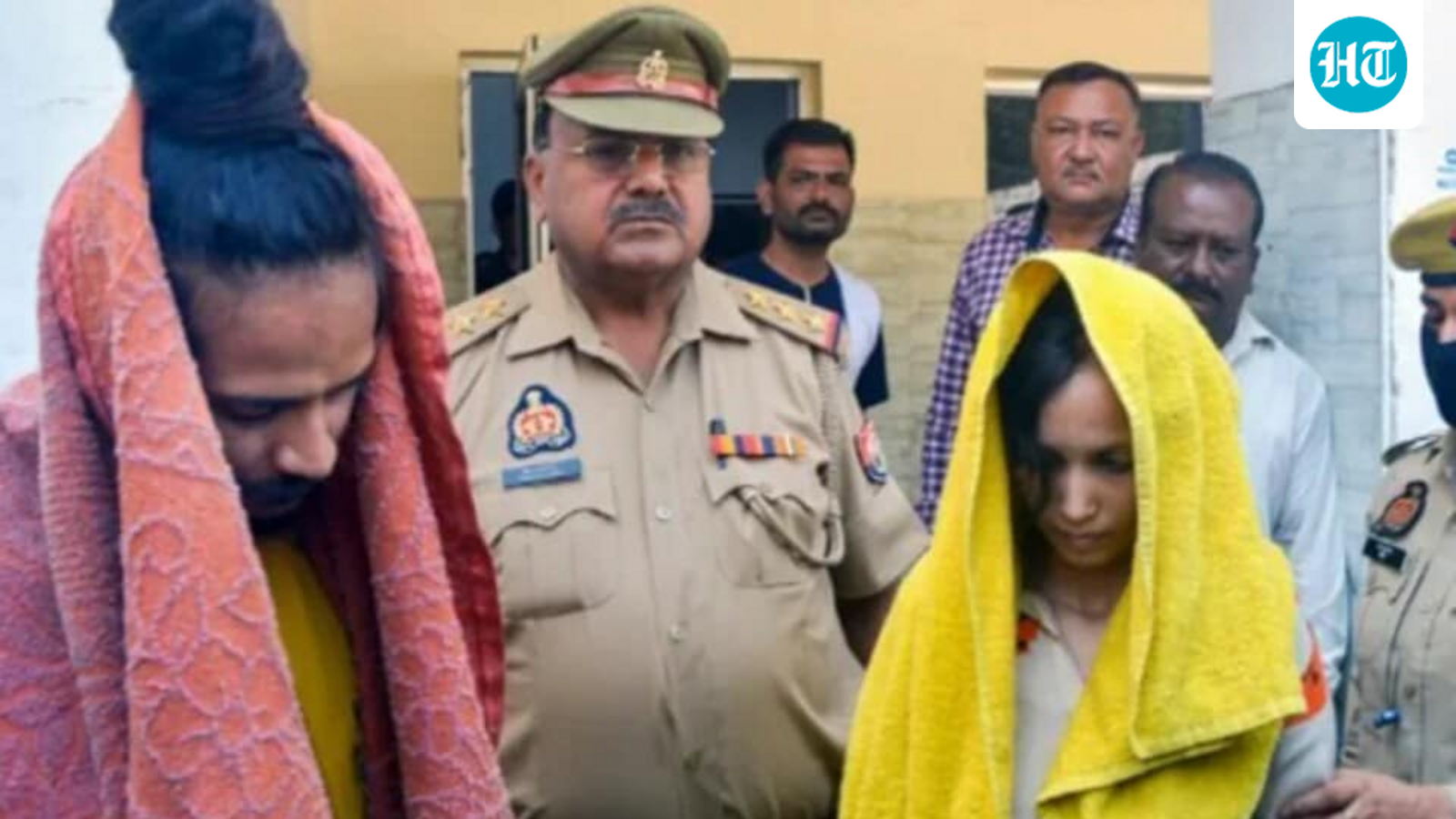
Muskan Rastogi and Sahil Shukla, the two convicts sentenced to death in the Saurabh Rajput murder case in Meerut, have approached the Allahabad high court challenging their conviction and the death sentence awarded to them by the trial court.
The duo have filed criminal appeals seeking the quashing of the Meerut district and sessions court’s orders convicting them on September 30 and sentencing them to death on October 14, 2026. A division bench of the high court is likely to hear the matter next week.
The case, widely known as the ‘blue drum’ murder case, relates to the killing of Saurabh Rajput in the Brahmpuri police station area of Meerut. The case triggered widespread outrage after his body was found concealed in a blue plastic drum filled with cement and concrete.
Also Read | Meerut 'blue drum' murder: Death penalty for Muskan Rastogi, lover Sahil for husband's killing
On October 14, the trial court sentenced both convicts to death and imposed a fine of ₹50,000 each. They were also convicted of offences related to causing the disappearance of evidence.
In their appeals, the convicts have described the trial court’s verdict as illegal and arbitrary, seeking the setting aside of their conviction and sentence and their acquittal of all charges under the relevant provisions of the Bharatiya Nyaya Sanhita (BNS). The appellants have contended that the prosecution failed to establish its case beyond reasonable doubt. They argued that the case rested entirely on circumstantial evidence, but the trial court reached its conclusions on the basis of speculation and conjecture, allegedly overlooking established legal principles.
KioskNews shows a cleaned-up reading view extracted from the publisher’s page — the original always lives on their site, not ours.