Why Japanese DJ who survived spiked-drink ordeal in Hong Kong keeps apologising
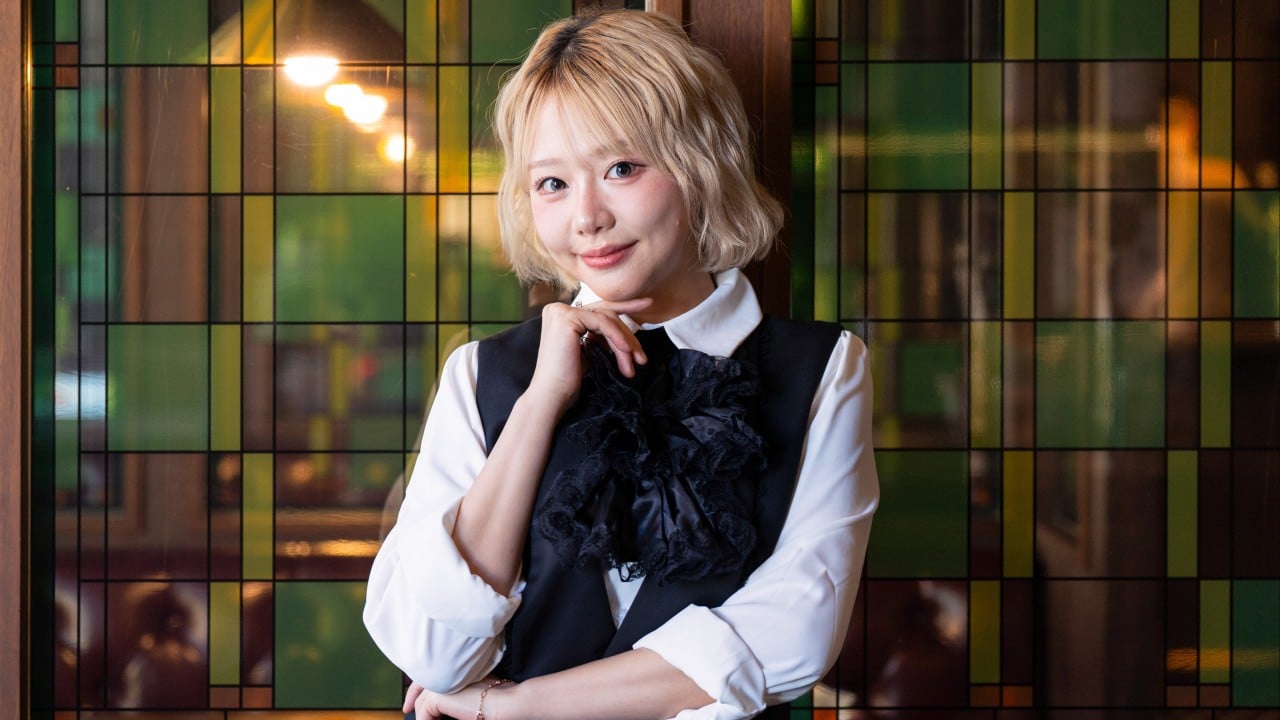
When Mao Hamasaki, also known as DJ Mao, took to the social media platform X earlier this month to recount the ordeal of consuming a spiked drink in Hong Kong, her comments were accompanied by an apology, leaving many local social media users perplexed.
“They said, ‘You are the victim, why do you keep apologising and taking the blame’, making it sound like I’m putting the fault on myself. But that is honestly just how we [Japanese] talk,” she said.
“People in Hong Kong are much more direct. They simply think ‘this is my fault, that is your fault’. In Japan, however, people are more subtle and constantly have to consider how others feel.”
Although she was the victim, she did not feel it was right to put the blame entirely on others, and considered if she might have failed to “pay enough attention” to the dangers around her.
“Saying it is entirely their fault might be factually true, but in Japan, if you say that out loud, people might judge your character and wonder if there is something wrong with you too.”
Japanese DJ who was allegedly drugged at Hong Kong club hopes her experience can raise awareness
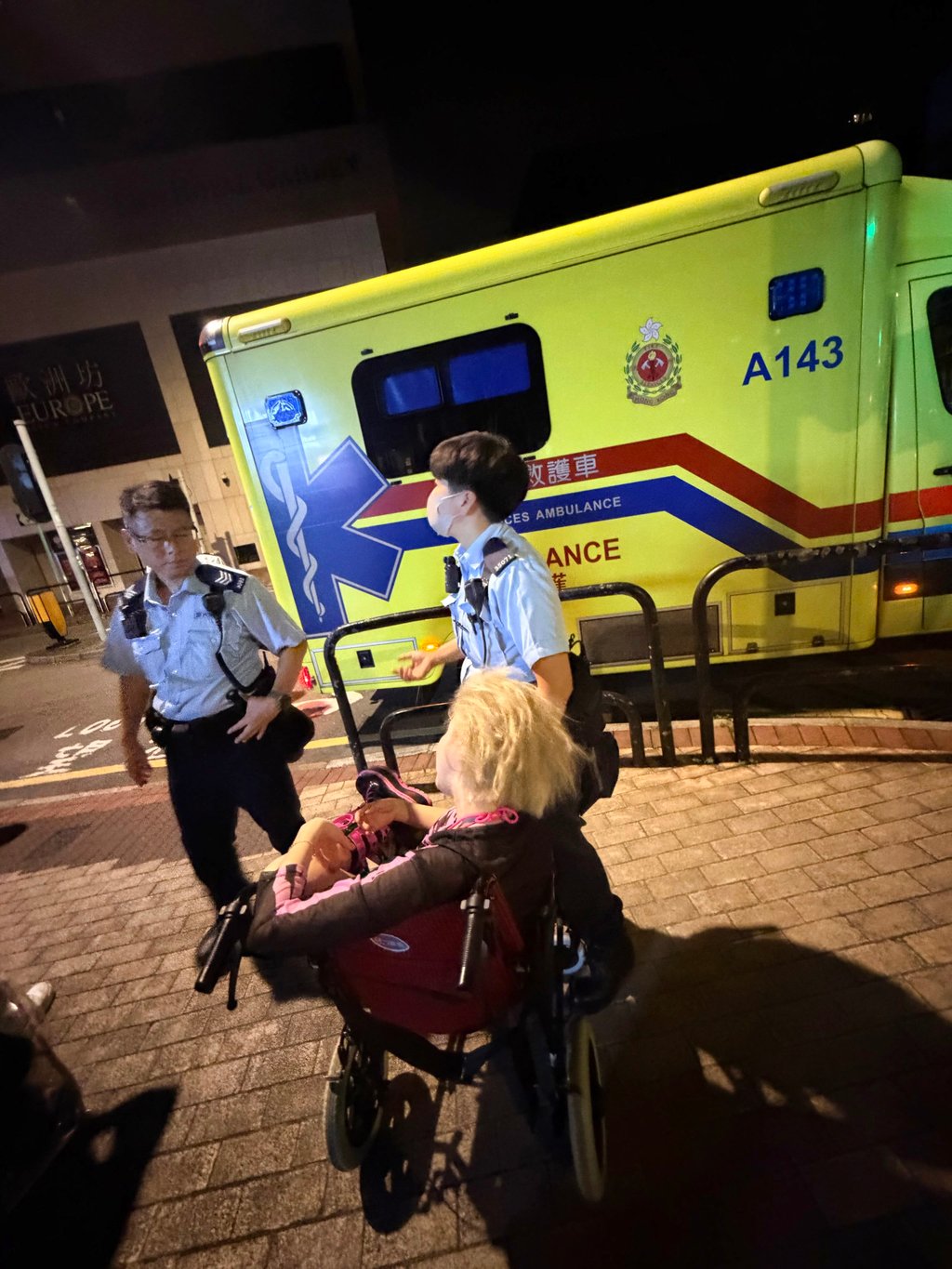
The former Japanese adult film actress was rushed to the intensive care unit of Queen Elizabeth Hospital in Yau Ma Tei after allegedly being drugged as she performed a set at PP Club in Tsim Sha Tsui on November 1.
The incident marked a traumatic stumble in what has otherwise been steady progress for Hamasaki’s bid to forge a second career in Hong Kong.
But she insisted the ordeal had not soured her view of Hong Kong and noted that such incidents could happen anywhere.
Nearly two weeks on, the 33-year-old said she had physically recovered. The drugs had largely cleared from her system and there was no need for further hospital visits. She recalled having experienced anxiety and flashbacks the first two days after being discharged from hospital.
“When I woke up the next morning, my heart was racing, and I had this lingering sense of anxiety. I did not even know why. There wasn’t anything specific to worry about, yet I kept feeling anxious about things.”
Yet there was something worry about. Doctors told Hamasaki that traces of the drugs could remain in her hair and blood for up to three months, something she worried might cause “trouble” if she returned to Japan for work and faced a random drug test.
Hamasaki said she was apprehensive about returning to perform as a DJ, and the recent drug incident had delayed some of her job engagements. But she had gradually started taking on work and her next DJ gig will take place in just six weeks at a New Year’s Eve countdown party in Taiwan.
Born to a poor family in Tokyo, Hamasaki recalled seeing her father copying pirated porn videotapes for sale at night when she was a child. At the age of 18, she was approached by an agent on the street in Shinjuku, who persuaded her to enter the adult video industry.
She accepted the offer so she could move out of her family home and live on her own.
As she approached her mid-twenties, she started thinking about her future as she knew working as an adult-video (AV) actress would not be sustainable.
“I knew there was a shelf life in my job, and I was also a bit worried about my health,” she said.
However, Hamasaki said it was very difficult for former AV actresses to shed their past, as Japanese society was generally unaccepting of their pursuit of other careers. She said only the late Ai Iijima was regarded as having successfully transitioned into a mainstream celebrity.
“For example, another [former AV] actress recently wore a wedding dress and was criticised. Basically, we get criticised no matter what we do. If we appear in a TV drama without stripping, we get backlash. If we do strip, we still get backlash,” she said.
“Just a few days ago, there was a huge debate in Japan after an AV actress suggested AV acting is a normal job … Not a single person agreed that it is normal.”
Through a fortuitous turn of events, she was invited to a fan meeting in Singapore in September 2018. However, it was impossible to obtain a visa as an adult film star for a simple fan event. To get around this, the organiser suggested she spend a month picking up some basic DJ skills so she could enter the country and appear as a DJ instead.
At the Singapore event, she met her current Hong Kong-based DJ manager. Having previously represented several DJs, he saw strong potential in the novelty of an AV actress performing behind the decks. The two began working together, with him mentoring her in the craft. He organised her first DJ job in Hong Kong in December 2018.
That same year, she began learning Mandarin to communicate better with her manager, at first without even knowing the difference between Mandarin and Cantonese or that people in Hong Kong mainly speak the latter. Now, eight years later, she speaks Mandarin fluently and is gradually picking up Cantonese.
Eventually, she started getting more gigs in Hong Kong. “Staying in a hotel every single time does not make sense. It would probably be cheaper to just rent a place here,” she said.
“And if crossing the border every time is such a hassle, I might as well get an ID card so I can come straight in,” she said, adding that she got her HKID in May this year.
She made an impromptu announcement that she was retiring from the AV industry at the 2024 Taipei Red Expo, Asia’s largest adult entertainment exhibition, after her management agency failed to send a manager to accompany her and booked her flight under the wrong name, a series of missteps that left her deeply disappointed.
As she settled into Hong Kong, Hamasaki found herself shocked by how bluntly people in the city turned down job offers. In Japan, refusing an offer from an acquaintance was considered impolite, she said.
“My manager [in Hong Kong] taught me, ‘just tell him the money is not enough, I am not taking the job.’ ... But rejecting someone so directly is hurtful [in Japan].”
Outside work, local social habits also caught her off guard. She said people in Hong Kong went straight home after dinner with friends, instead of lingering for other social activities.
“Getting everyone together on the same day is very difficult. Back in Japan, a night out usually means at least three rounds, dinner, drinks and then another bite or ramen,” she said. “On a longer night, it’s dinner, karaoke, drinks and then ramen.”
Despite these culture shocks, Hamasaki has enjoyed working in Hong Kong, finding people here more efficient and direct and society far less rigid than in Japan.
She has begun adopting a distinctly “Hong Kong-style” directness, often trading barbs with internet users on social media.
“They get to say whatever they want, while public figures are not allowed to speak freely. What kind of logic is that?” she said.
Apart from her DJ gigs, she recently appeared in the HOY TV sitcom Keep Calm and Call Po On and spoke all her lines in Cantonese. To her surprise, audiences in Hong Kong complimented her.
“That is amazing. In Japan, it’s really hard to shake off that label [as a former AV actress], almost impossible to ever wash it away,” she said, hinting at a return for another episode.
She said she deeply appreciated the opportunity, adding that she hoped to hone her acting skills and continue developing as a performer.
“I am quite reserved by nature, not really an extrovert. So stepping into different personas and playing a really cheerful version of myself genuinely makes me happy,” she said.
While she still very much considers herself Japanese, Hamasaki has come to see Hong Kong as her second home.
“I like my working mode now very much. Every month, I spend half my time in Japan and half in Hong Kong. It is the first time in my life to have a second home,” she said.
“When I feel pressurised in Japan, I can come to Hong Kong. When I feel like I want to have sushi, I can go back.”
KioskNews shows a cleaned-up reading view extracted from the publisher’s page — the original always lives on their site, not ours.