What’s behind the quiet US diplomatic thaw with Myanmar?
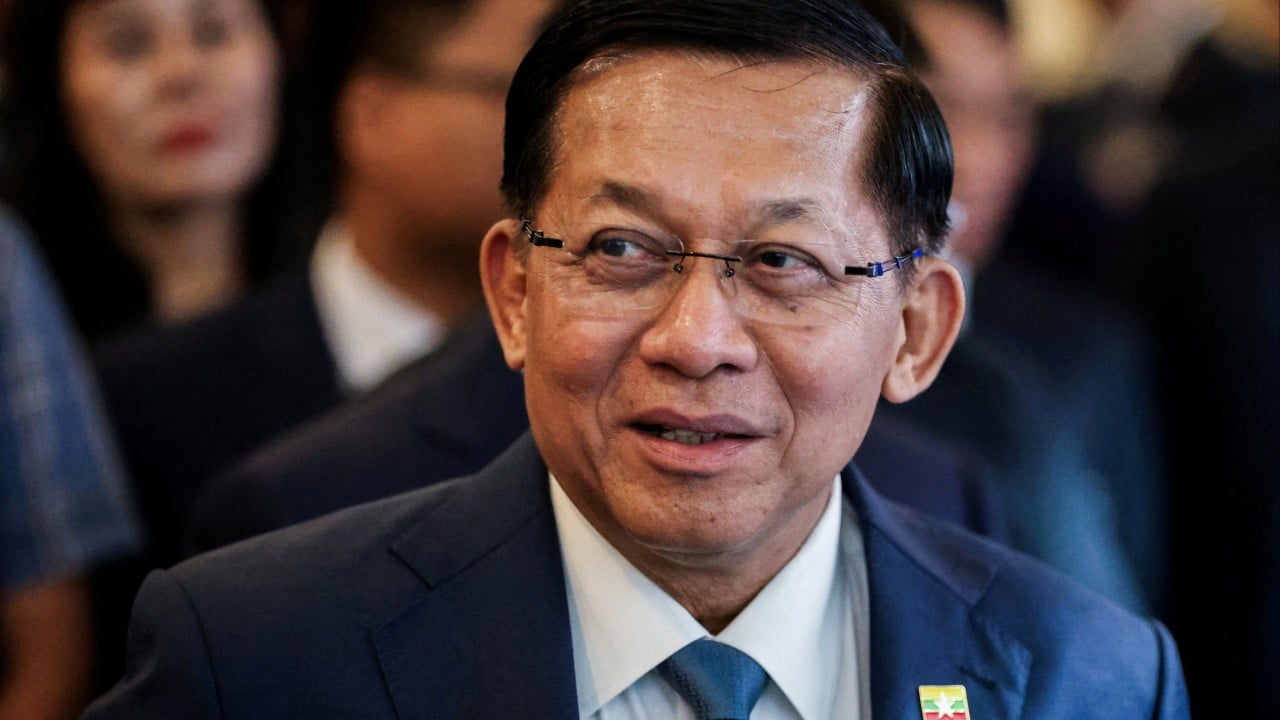
Fresh from walking down red carpets laid out by his Southeast Asian neighbours, Myanmar’s ex-military chief Min Aung Hlaing appears to have a new diplomatic feather in his cap: re-engagement with the United States.
Washington slapped sanctions on Min Aung Hlaing just 10 days after his February 1, 2021 coup and the ensuing bloody crackdown on pro-democracy protesters. Waves of subsequent sanctions targeted military-linked companies and cronies.
Yet since last month, two rounds of talks with US officials have taken place. While details have yet to be made public, experts say Myanmar’s rare earths are likely on the table.
The State Department under Donald Trump’s administration appears set for a course change – part of a wider retooling of US foreign policy that critics say prioritises pragmatism over principle.
Reuters confirmed at least two meetings between White House officials and Myanmar representatives in recent weeks. The first round, held last month in the capital Naypyidaw, secured the release of US businessman Adam Castillo and touched on protecting American citizens from the scourge of cyber scam centres operating in Myanmar.
Castillo’s release was a symbol of “friendly relations” between the two countries, Myanmar state media later reported.
The substance of follow-up talks in Tokyo in early October – reportedly led by Assistant Secretary of State for Intelligence and Research Michael Vance – remains unconfirmed.
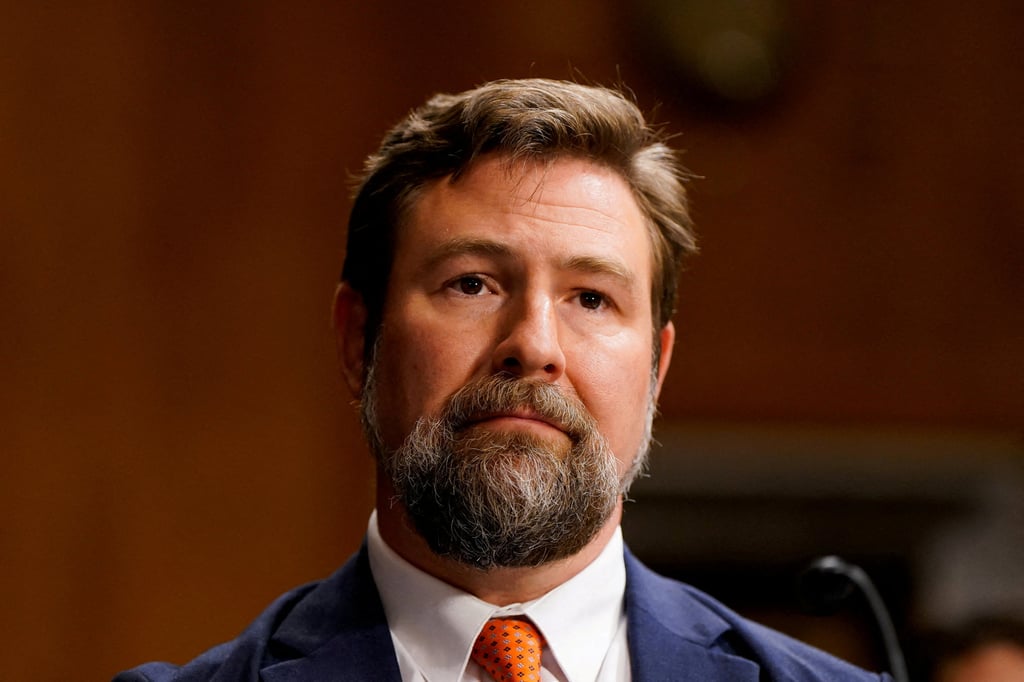
Describing the talks as “exploratory”, Hunter Marston, Southeast Asia Programme director at the Australian think tank Lowy Institute, said the US might in part be supporting Myanmar’s “peaceful return to democracy”.
But “the more dominant objective at the moment appears to revolve around exploratory talks with [an] emphasis on access to rare earths and cooperation to eradicate cyber scam operations”, Marston added.
Myanmar is among the world’s largest producers of rare earth ores and is China’s main import source for these critical minerals, which are essential for everything from electric vehicles and wind turbines to defence technology and robotics.
As artificial intelligence fuels rising energy and hardware demands, the White House is determined to secure long-term access to rare earth stockpiles wherever possible. Washington has signed supply deals globally to curb its reliance on China, which dominates global production.
But securing access to Myanmar’s known deposits is a daunting challenge.
Buried in the mountainous borderlands near China and Thailand, many of Myanmar’s mineral-rich areas are beyond central government control. Northern Kachin state – rich in dysprosium and terbium critical to advanced military technologies – is administered by the Kachin Independence Army (KIA), an ethnic armed group fighting the junta.
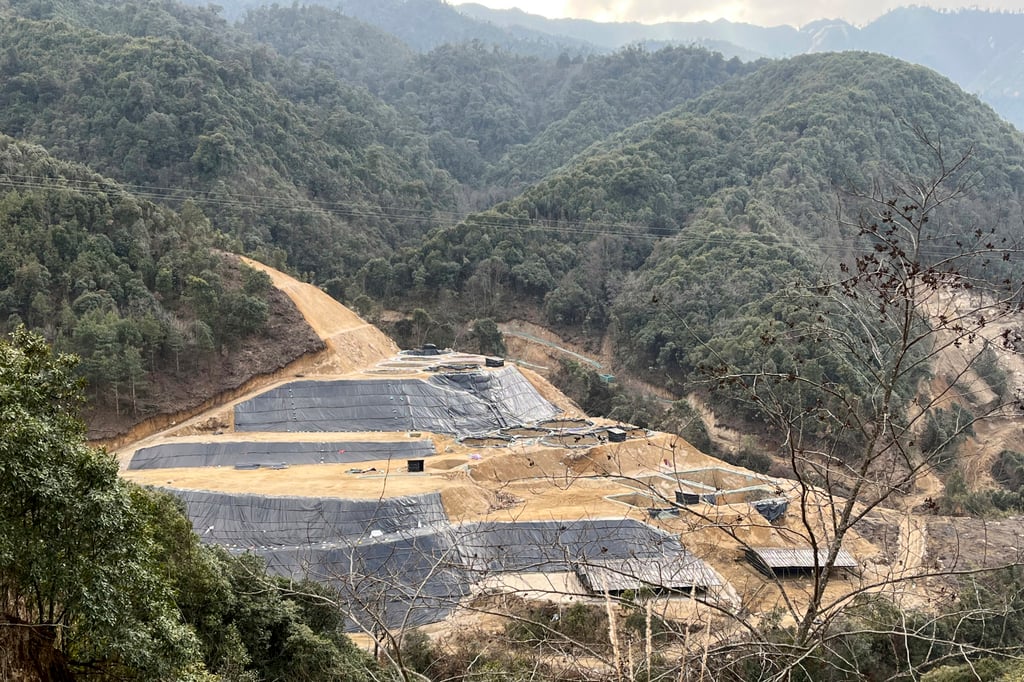
“Unless the KIA is at the table, it seems exceedingly unlikely that the US will be able to get the types of deals it may have in mind,” Marston said. “Short of a new front in the war to retake territory in Kachin, the military seems unable to deliver those types of wins for the United States.”
Optics and lobbying
Diplomatic life has also become a lot easier for Min Aung Hlaing since April, when he swapped his military fatigues for civilian clothes to assume the presidency. That followed elections widely denounced as a sham – held only in government-controlled areas – designed to offer a veneer of civilian legitimacy.
In recent months, neighbours including Thailand, Vietnam, Malaysia, Laos and Cambodia have all hosted Min Aung Hlaing in his capacity as president. China, Russia and India have also welcomed him.
Thailand has been a driving force within the Association of Southeast Asian Nations to reintegrate Myanmar. A visit to Malaysia earlier this month, where Min Aung Hlaing was warmly received by Prime Minister Anwar Ibrahim, added fresh momentum towards bringing Myanmar back into top-level Asean summits, from which it has been barred since the coup.
Min Aung Hlaing was previously shunned internationally for jailing political rivals – including democracy champion Aung San Suu Kyi – and plunging the country into a devastating civil war that forced countless young people to flee abroad or take up arms.
Under the Biden administration, Washington worked with the UK and EU to impose fresh sanctions on the junta. Under Trump, however, there have been signs that a gradual rollback could be under consideration.
Some Myanmar watchers attribute the junta’s shifting fortunes in Washington to the hiring of veteran Republican strategist Roger Stone in April. Stone is said to draw US$50,000 monthly as a consultant for the Washington-based lobbying firm DCI Group, which signed a US$3 million contract with Myanmar in July last year.
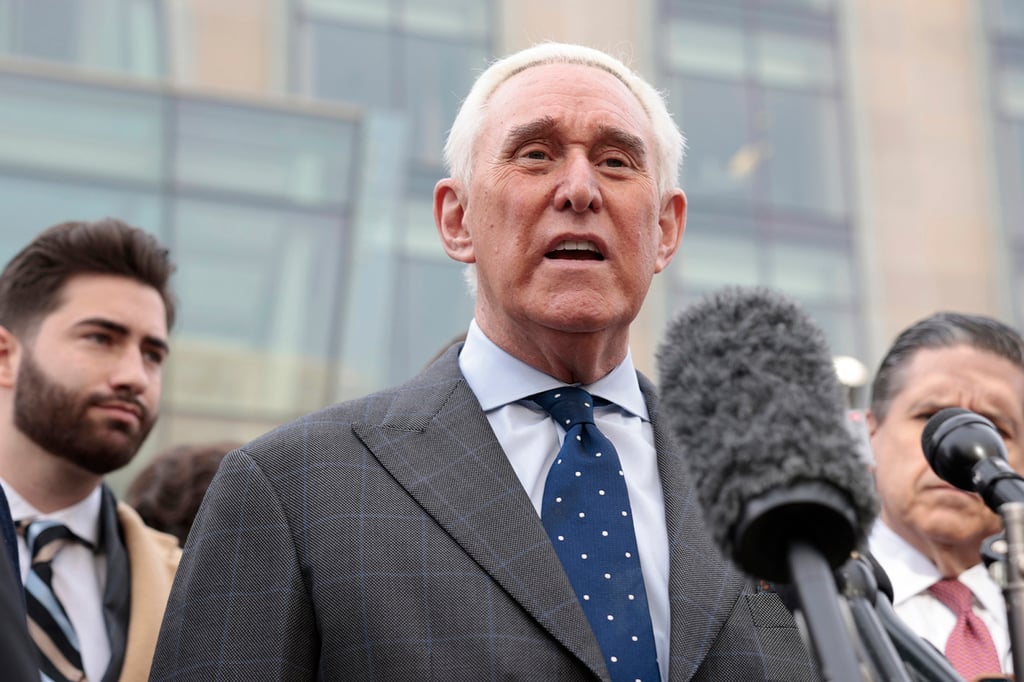
But Marston warns against overstating the lobbyist’s role. “My guess would be Roger Stone and DCI Group have had relatively little influence over the modest change in approach,” he said.
There are other signs of a change in tone from Naypyidaw – long notorious for ignoring outside opinion.
On Monday, Myanmar government officials posted a rare photograph of 81-year-old Suu Kyi receiving a package sent by Britain’s King Charles. Min Aung Hlaing also gave a rare interview to Western media for a profile feature in Time magazine.
KioskNews shows a cleaned-up reading view extracted from the publisher’s page — the original always lives on their site, not ours.