Water Authority has no flooding plan, no budget, no organization, climate resilience expert says
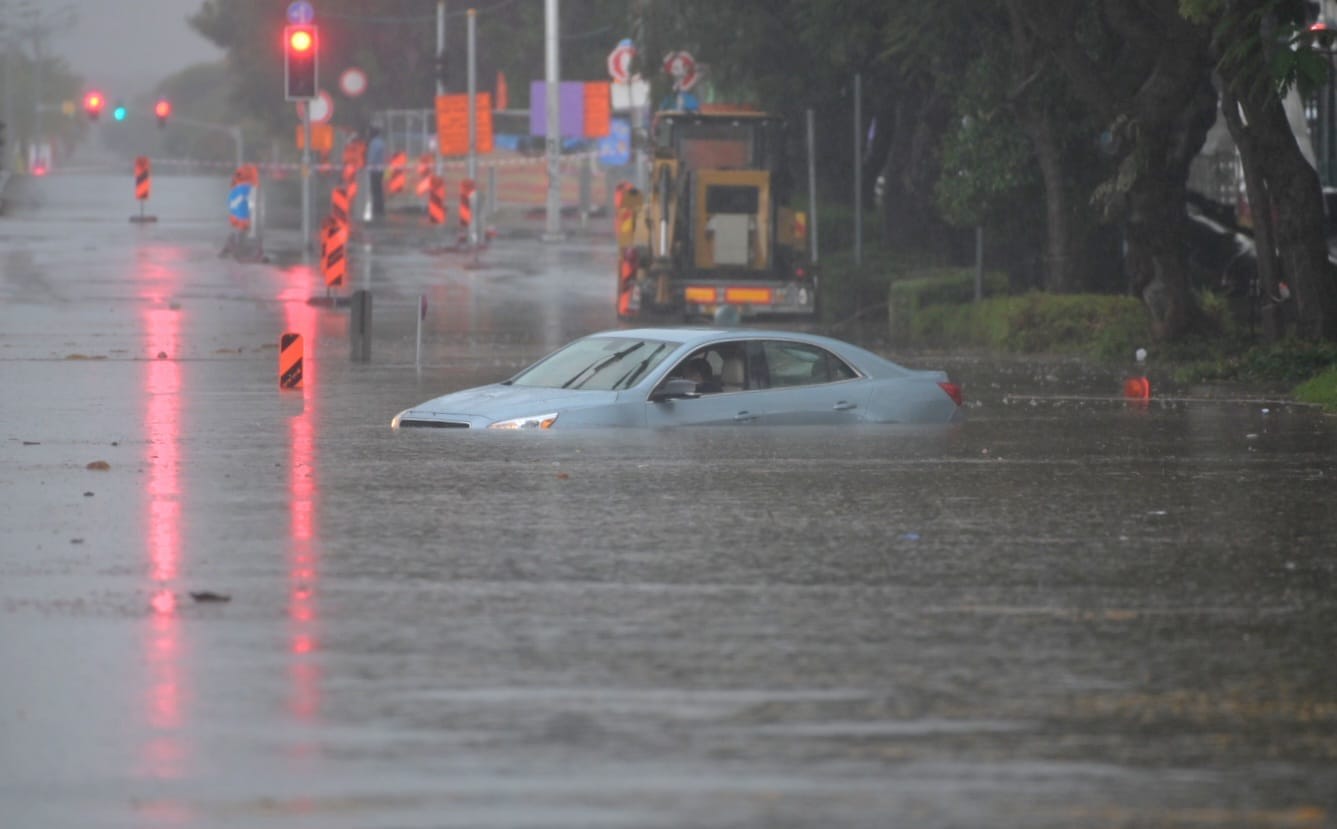
The Water Authority has no plan to address flooding, Orly Babitsky, head of climate resilience at the Israeli environmental advocacy group Adam Teva V’Din, said during an interview today on 103FM.
Babitsky cited a shortfall in spending over the previous decade and unresolved questions about which national and local authorities are responsible.
“Investment was supposed to total about NIS 7 billion. Of that, only NIS 1.5 billion was invested. We’re talking about the previous decade. That’s what was invested. It’s not surprising. There’s serious disarray. Who is responsible? Who is supposed to spend the money? Many of these questions remain unresolved today, both nationally and in local governments,” she said.
Local authorities can prepare for heavier rainfall
Babitsky said increasingly intense rainfall underscored the need for local governments to prepare for flooding.
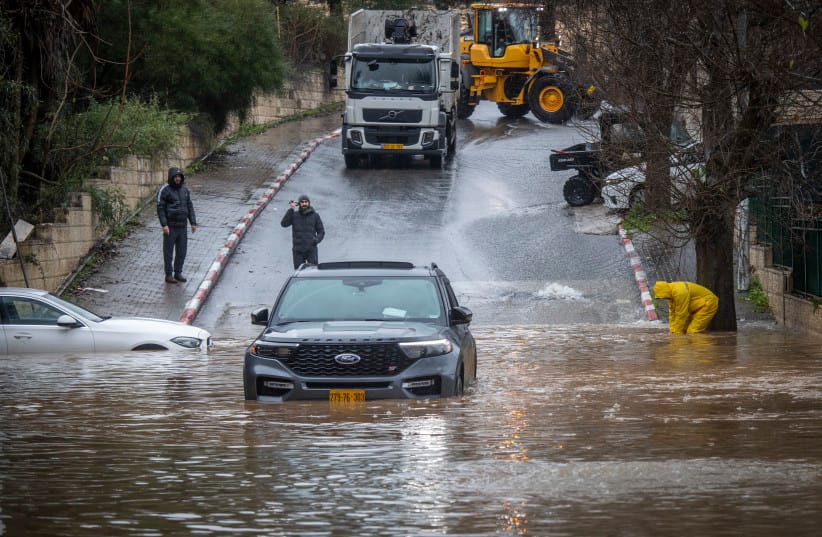
“We are seeing our rainfall patterns become much more intense and severe,” she said. “That means a great deal of water falling over a very short period, causing flooding. Local authorities may not be able to change rainfall patterns, but they can prepare for them. That is exactly what the state comptroller was talking about.”
She said the problem could be addressed through a combination of measures coordinated by those responsible for different aspects of flood management. She described solutions “that together could give us a better drainage system. One option is simply to designate areas that can be flooded during this kind of weather event, without harming property or people. Once the event has passed, the water can seep into the ground and replenish our aquifers, which we will need so badly later when it gets hot.”
Flood risk management plan lacks funding
Babitsky said local governments also need to maintain and expand their drainage systems.
“We need to work on local authorities’ drainage infrastructure, whether that means maintaining older infrastructure or expanding existing systems. The infrastructure designed to date was planned for weather events that are already disappearing, that no longer exist,” she said.
She also pointed to the cost of implementing the flood risk management plan, which she said was released without a budget.
“The scale is really very, very large. We’re talking about many billions that are needed. Certainly more than NIS 1.5 billion. There are two main problems with the funding. In October 2026, finally, after more than six years, a flood risk management plan was released. A great, wonderful plan, with people assigned responsibility, but no budget.”
“There is no budget allocation,” she stressed. “A plan was released without a budget allocation, and the plan itself says dedicated funding sources will be developed. It’s a joke. How can you release a plan and say funding arrangements will be developed when there is no Treasury budget allocation for it?”
KioskNews shows a cleaned-up reading view extracted from the publisher’s page — the original always lives on their site, not ours.