Loyalty vs accountability: a look at the Nvidia board deciding CEO Jensen Huang’s fate
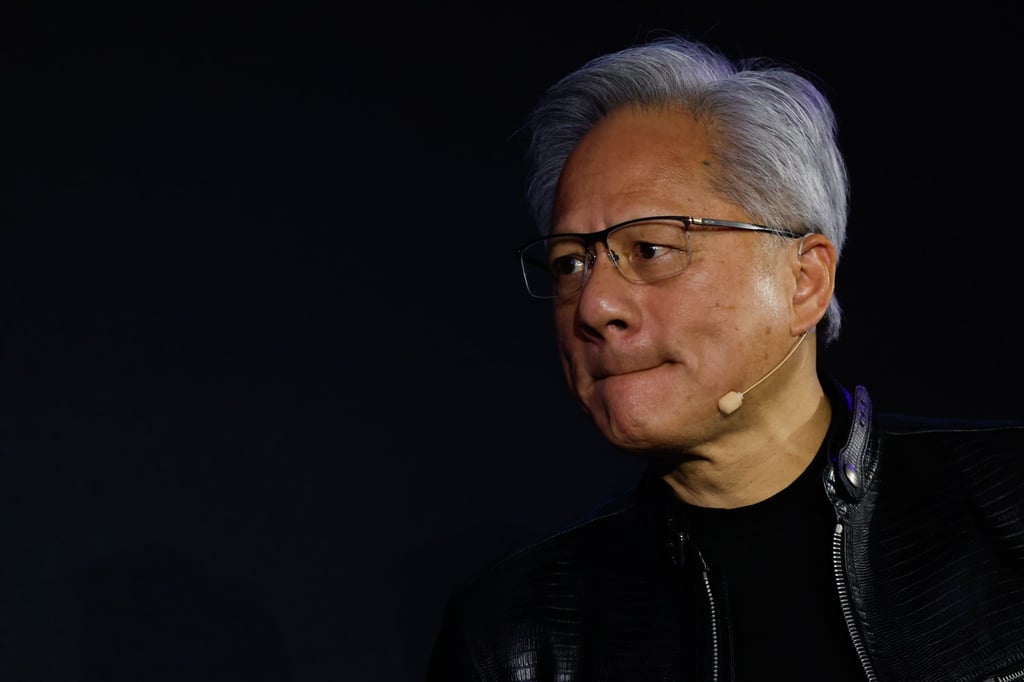
Nvidia’s board of directors is facing perhaps its biggest test yet as it weighs whether to oust chief executive Jensen Huang, the man credited with transforming the chipmaker into one of the world’s most valuable companies.
The board was reportedly preparing to remove Huang after reports that he had an extramarital relationship with Kimberly Powell, Nvidia’s vice-president of healthcare, who reported to him, according to The New York Times and Wall Street Journal on Wednesday.
The latest allegations compounded an earlier controversy after Huang apologised for being unfaithful to his wife. It was reported that he had close relations with a Chinese businesswoman suspected by US intelligence officials of working for Beijing, which the China’s foreign ministry has strongly denied.
The board initially expressed confidence in Huang when it announced its independent investigation into the affair on Sunday, saying it had no reason to believe Nvidia’s secrets or US national security had been compromised.
Two days later, Nvidia’s independent directors announced they had hired former acting US attorney Joon Kim and elite Wall Street law firm Wachtell, Lipton, Rosen & Katz to conduct the investigation. The board has not disclosed which directors sit on the investigative committee.
The potential ousting of the 63-year-old, who is Nvidia’s largest individual shareholder, with about 870.6 million shares, or 3.6 per cent of the company, would leave a leadership vacuum at the US$4 trillion AI chip giant he co-founded in 1993.
The scandal would also test the independence of Nvidia’s 11 board members, several of whom – as long-time Silicon Valley investors and Wall Street veterans – have worked alongside Huang for more than three decades. Here is a closer look at the board members who could decide his future.
The old guard with decades of ties to Huang
Nvidia’s by-laws allow a majority of its board of directors to dismiss Huang at any time, “with or without cause”.
Of the 11 directors on the board, all except Huang are deemed independent.
Some of Nvidia’s directors have worked alongside Huang since the company’s founding, raising questions about whether decades of shared success could complicate their ability to independently assess his leadership.
Among those to watch are Tench Coxe and Harvey Jones, who joined Nvidia’s board in 1993, the year Huang co-founded the company.
Coxe, a veteran Silicon Valley investor, was a managing director at venture capital firm Sutter Hill Ventures from 1989 to 2020, while Jones is managing partner of Square Wave Ventures.
Both have witnessed Nvidia’s transformation from a graphics chip start-up into an AI powerhouse, developing deep institutional ties to a founder whose leadership has generated enormous returns for shareholders.
Another long-time director is Mark Stevens, a veteran venture capitalist who joined Nvidia’s board in 1993, before leaving in 2006 and returning in 2008.
The former Sequoia Capital partner, now managing partner of S-Cubed Capital, owned around 34.1 million Nvidia shares as of March, compared with 30.6 million held by Coxe and 7 million by Jones, according to the company’s May proxy statement. Stevens has since reduced his stake to about 27.5 million shares following a series of sales, according to a September regulatory filing.
Brooke Seawell, who joined in 1997, has also worked alongside Huang for nearly 30 years. A venture partner at New Enterprise Associates, he is chairman of Nvidia’s audit committee, which oversees information security and corporate risk management.
That responsibility could put Seawell under scrutiny as Nvidia investigates whether Huang’s relationship with the alleged Chinese spy, Alice Huang, exposed sensitive company information.
The potential watchdogs
Nvidia’s lead independent director, Stephen Neal, has come under the spotlight for his distinct role on the board.
A veteran Silicon Valley lawyer who joined Nvidia’s board in 2019, Neal holds a key position that allows him to call and lead meetings of independent directors without Huang present, making him an important figure in coordinating discussions on the founder’s fate.
He had previously served as CEO of law firm Cooley and chairman of clothing company Levi Strauss, with extensive experience in corporate litigation and internal investigations, including advising General Motors in disputes involving investor Ross Perot and handling investigations involving the US Securities and Exchange Commission, according to his Cooley biography.
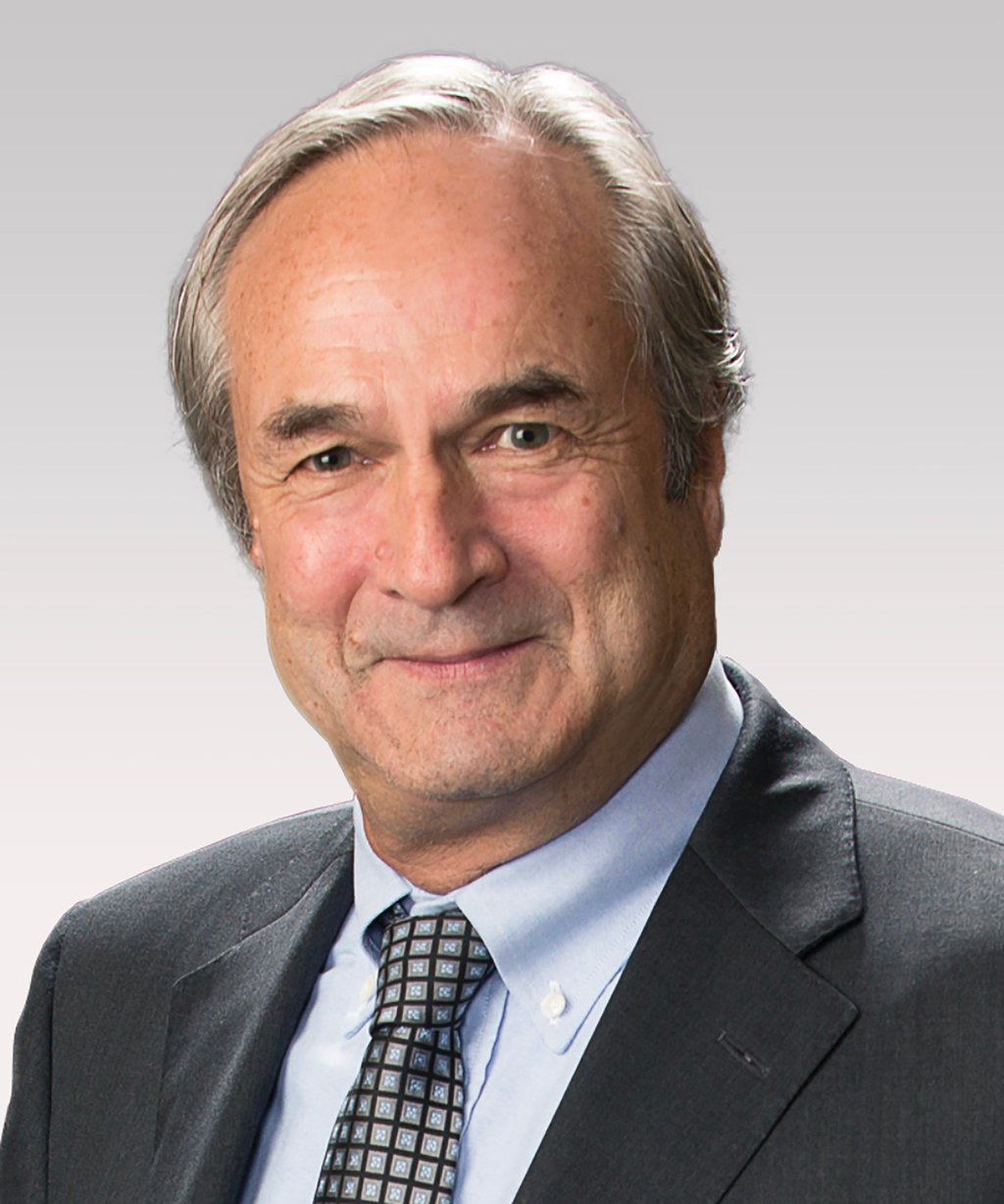
Neal also chairs Nvidia’s corporate governance committee, which oversees governance policies and procedures for investigating potential violations of company rules. It remains unclear whether Neal is personally involved in the independent investigation.
Another director with oversight responsibilities is Dawn Hudson, who joined Nvidia’s board in 2013 and chairs its compensation committee.
The former Pepsi-Cola North America CEO oversees executive pay and human capital management, although it remains unclear whether she will play a role in the investigation into Huang.
Other newer directors include former Goldman Sachs vice-chairman Suzanne Nora Johnson, who joined in July, and former Taco Bell International president Melissa Lora, appointed in 2023.
They are joined by former Eli Lilly technology executive Aarti Shah and Caltech professor John Dabiri, both appointed in 2020.
Huang, meanwhile, remains the board’s only non-independent director, with no special voting rights despite his central role in building the company.
KioskNews shows a cleaned-up reading view extracted from the publisher’s page — the original always lives on their site, not ours.