Trump’s US$2.4b defence package for the Philippines: a push for self-reliance?
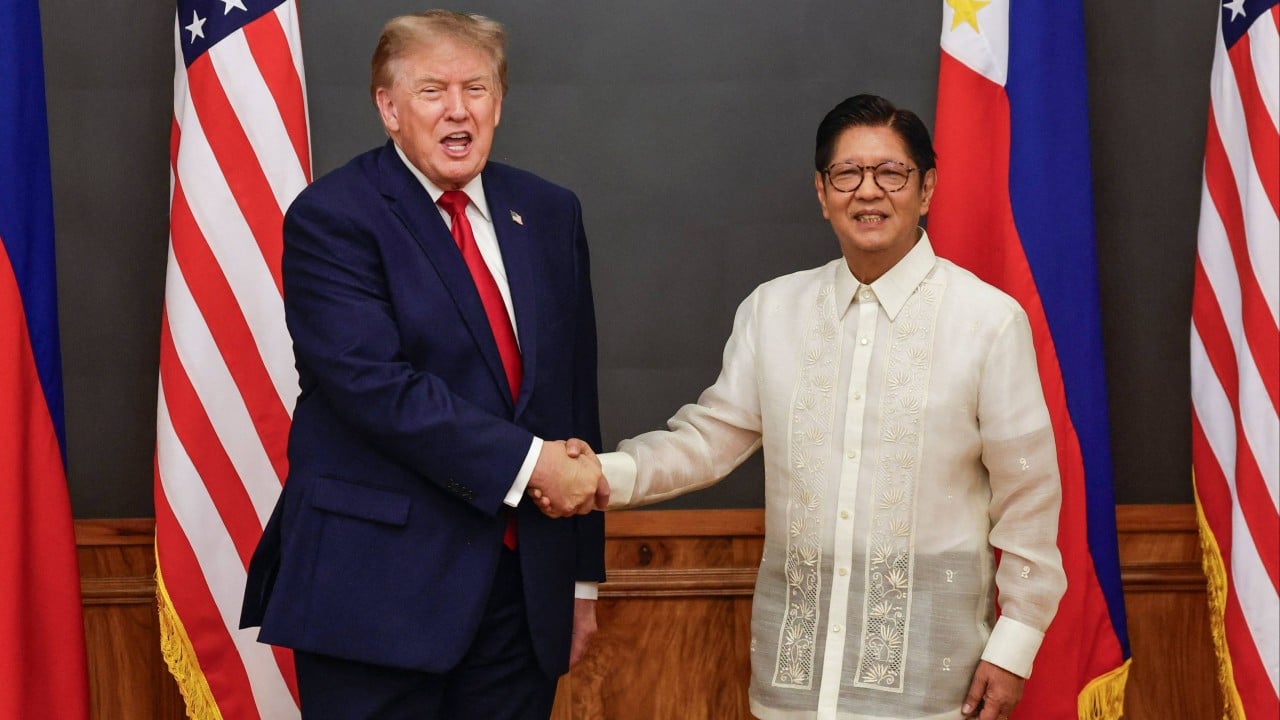
Washington’s newly announced multibillion-dollar military financing package for the Philippines signals a bid to push Manila to shoulder greater responsibility for its own defence, although some observers warn that the move could deepen dependence on American hardware and threaten Philippine self-reliance.
Unveiled in connection with US President Donald Trump’s visit to Manila last week, the package includes more than US$2 billion in loans and US$400 million in military financing, although analysts say much of the funding had already been approved under previous commitments.
In a fact sheet released last Wednesday as Trump wrapped up his visit, the White House detailed the proposed loan package and announced that US$400 million would be used to fortify the Philippine military’s operational reach and deterrence capabilities in the South China Sea.
Matteo Piasentini, a geopolitical analyst with Italian think tank Geopolitica.info and an international relations lecturer at the University of the Philippines Diliman, noted that the US Congress had earlier approved the budget and that the Trump administration had confirmed packages initiated under former president Joe Biden.
Chester Cabalza, founder and president of the Manila-based think tank International Development and Security Cooperation, said the proposed loan was revived from the US National Defence Authorisation Act, signed last year alongside multi-year foreign military financing set to begin this year.
The package aims to strengthen military bases under the Enhanced Defence Cooperation Agreement between Manila and Washington, invest in AI-enabled military systems and cloud infrastructure and “optimise the [Armed Forces of the Philippines’] strength for interoperability”, Cabalza said.
Trump arrived at the tail end of the 49th Association of Southeast Asian Nations Summit before concluding his trip last Wednesday, also announcing more than US$17 billion in commercial deals and strategic investments.
Santiago Castillo, a Manila-based defence and security analyst for FACTS Asia, pointed to the 2028 presidential elections in both countries as primary drivers, as both prepare for leadership transitions amid regional questions over Washington’s security commitments.
“The US wants to signal to the Philippines that it is serious in its support for defence modernisation,” Castillo said. “Likewise, the financing package is also a way for the US to support its ally without being too involved in Philippine defence development, albeit officially.”
While the gesture is not new, Castillo said changing circumstances had prompted Washington to give Philippine defence planners more options to build deterrence as China forcefully asserts its claims in the South China Sea.
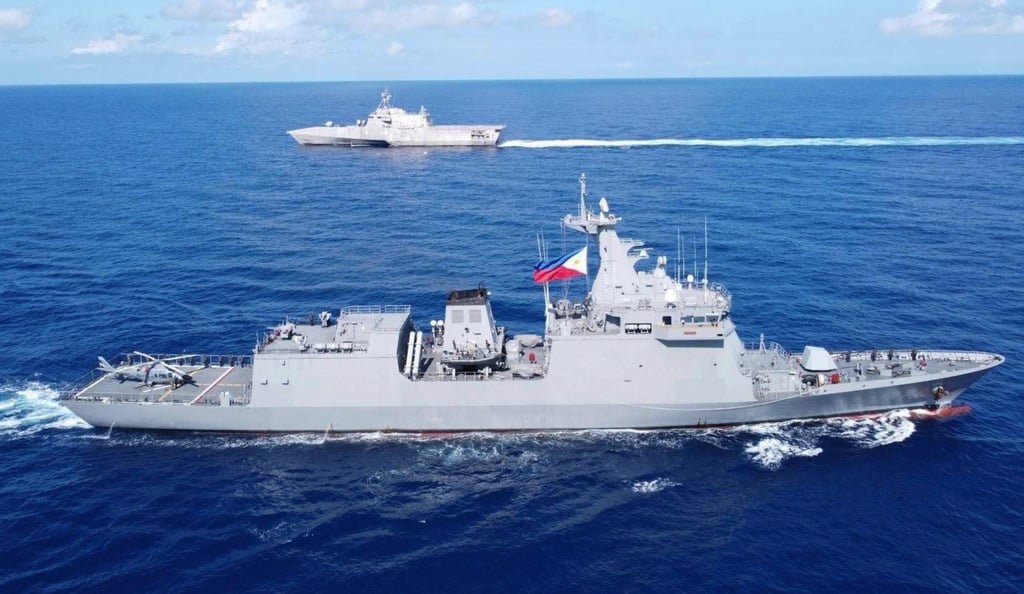
Jomari Jesus Tan, a political scientist and instructor at the University of Santo Tomas, highlighted the timing of the package, which coincided with the Asean and Apec summits as well as Trump’s trilateral meeting with China and Russia.
“Like-minded states like the Philippines will receive the benefits of aligning with the United States, reminding Asia that the United States can and will support its friends in the region,” he said, also citing partnership investments in what Washington calls “superintelligence” capabilities to strengthen cyberwarfare defences and digital infrastructure.
A key caveat, however, is that the loan binds the Philippines to American defence contractors, Cabalza said.
“Since this is a loan, it contains a contract that we exclusively buy their defence materiel. Simply said, we are using people’s taxes in building our military muscle, which should not be squandered,” he said.
Tan noted that the requirement nevertheless allowed Manila to fulfil its greater defence responsibilities through deeper cooperation with Washington while procuring modern arms outside the constraints of its annual national budget.
Ready for independence?
“The message is simple. America is giving Manila the rod, not the fish. We’re backing the Philippines at the starting line, but they have to run the race. That means doubling down on our own strength,” Cabalza said, adding that alliances were about “building one’s own capacity” to contribute to the partnership.
Castillo said a more inward-focused US foreign policy could ultimately benefit Manila by forcing domestic innovation and allowing the Philippines to “seriously consider upgrading its nascent defence industry and innovation ecosystem towards a more substantial role in that value chain”.
Others pushed back against the idea that Washington is stepping back. Piasentini saw the package as a “reward” for the Philippines, which has pursued a self-reliant defence posture despite its lower level of economic development and military spending capacity relative to wealthier US allies.
“There is no reduction in US security commitments to the Philippines; rather, these forms of financing are additive to existing defence and security commitments, which have remained constant from the Biden administration to the Trump administration,” Piasentini said.
Unlike allies facing Trump administration tirades over defence burden-sharing, Manila has been held up as a role model by officials such as Defence Secretary Pete Hegseth and Undersecretary for Policy Elbridge Colby. At the Shangri-La Dialogue in May, Hegseth singled out Manila for its 12 per cent budget increase to modernise its armed forces and coastguard.
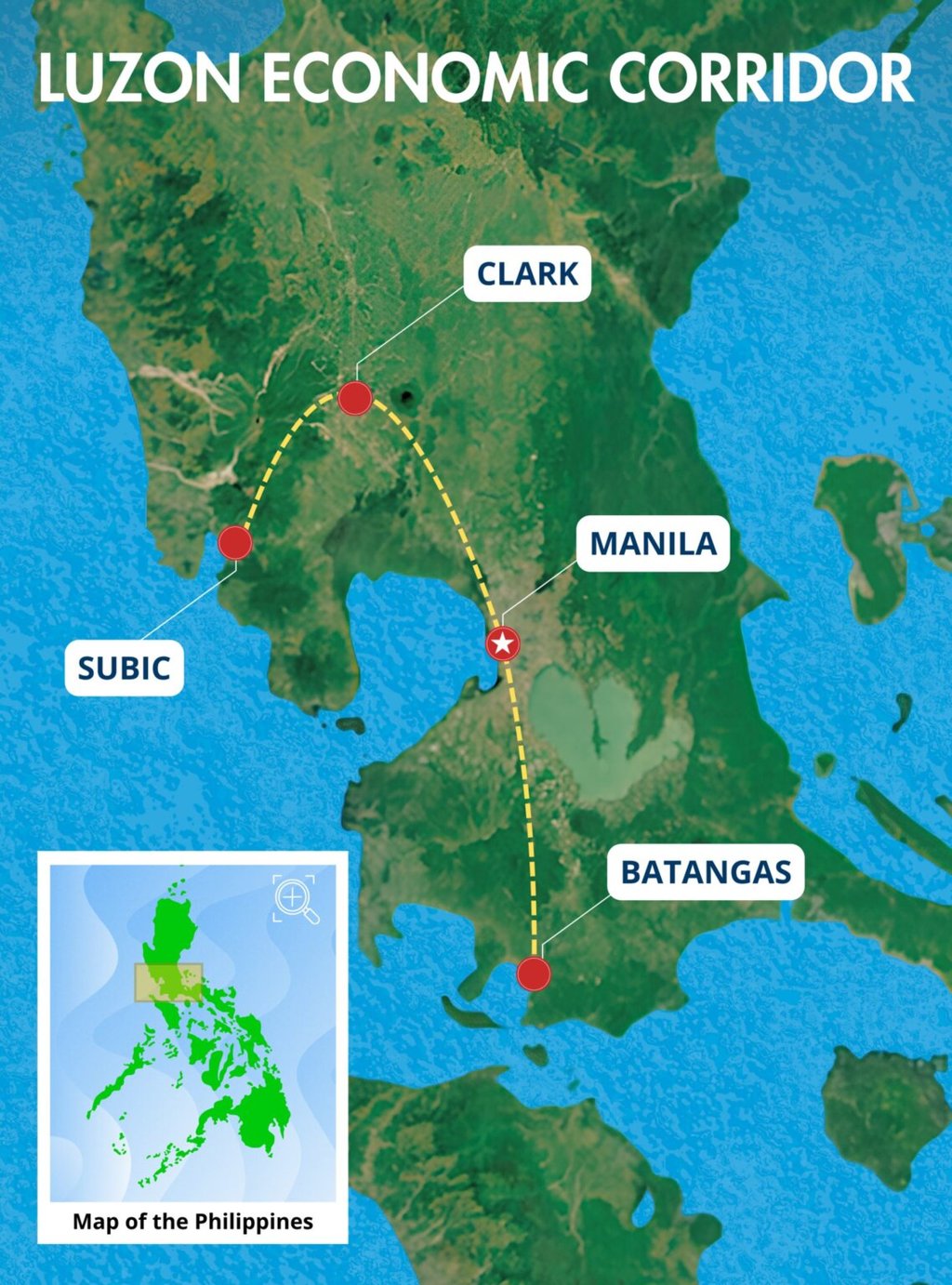
Still, Tan warned that building the domestic infrastructure needed for Manila to deter China independently would “take time”, noting that the announcement coincided with talks over initiatives such as the Luzon Economic Corridor and the Pax Silica hub, which cover dual-use technology and eventual arms development.
“One can argue that the package actually draws the Philippines deeper into US protection, as increased arms sales between the two countries further intertwine their supply chains and logistics with one another, making the Philippines further rely on the United States,” he said.
Beyond burden-sharing, analysts said the package underscored Washington’s need to reassure Manila and regional allies of its staying power, even as the US military faces signs of overreach and a public weary of open-ended conflicts.
“While the US defence financing package to the Philippines does signify their alliance, it is still unclear what else is there if the situation in the South China Sea escalates or exacerbates further,” Castillo said.
“There may be an understanding in Washington that in order for the Philippines to remain aligned, the US needs to keep the Armed Forces of the Philippines reliant on its aid and relatively confident in the solidity of the alliance,” Piasentini said.
KioskNews shows a cleaned-up reading view extracted from the publisher’s page — the original always lives on their site, not ours.