Data centre giant apologises to Melbourne residents, vows to get power to site
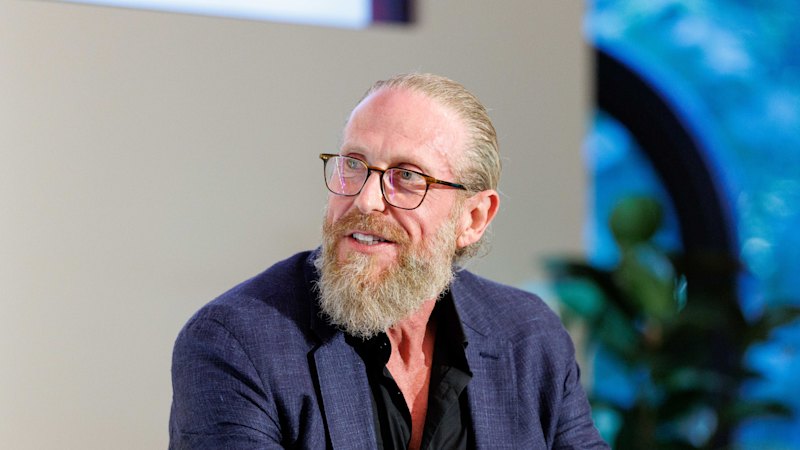
Data centre giant NextDC has apologised to West Footscray residents as it makes a renewed push to get power to a planned major expansion of its M3 facility in the Melbourne suburb in the face of community opposition.
By turns humble and defiant, chief executive Craig Scroggie issued the apology on Monday, saying NextDC would not proceed with the artificial intelligence facility until he had made the community, council and his customers an equal top priority.
“I am deeply, deeply sorry for the impact that we’ve had on customers,” Scroggie said at a conference hosted by investment bank UBS in Sydney. “As I am deeply sorry for the impact that the community has felt because they felt like they got left behind.”
But even as he projected humility, Scroggie did not back away from NextDC’s overall plan to double the size of its M3 facility to cover about 10 hectares.
“We will solve [the power issue],” Scroggie said. “We’ll provide an update when we have got that solution finalised and contracted, we won’t do it before the community and the council are crystal clear that we have made them and our customer the number one priority.”
In September, energy network operator Jemena paused plans to install 15-metre-high industrial power poles on suburban streets near the NextDC site, after residents complained and protested, including by blocking construction vehicles. That forced NextDC to announce a major delay to the expansion of the M3 data centre in October, costing it hundreds of millions in forecast earnings and a 40 per cent drop in its share price.
Scroggie went some distance towards validating the residents’ position, acknowledging Jemena had found there had not been enough community consultation about the poles, which are about twice as high as typical power poles. “You can understand: yeah, it’s taller,” Scroggie said. “It’s a new pole.
“Our contracted power partner, our statutory monopoly provider, wasn’t able to deliver for us,” he said. “And whilst I could blame them, it’s only my responsibility at the end of the day.”
Data centres have become a totemic issue in the age of artificial intelligence and several US Democratic candidates who promised to put moratoria on their construction won elections last week, including Texas governor-elect Gina Hinojosa. As well as overarching concerns about the social implications of AI, residents have raised concerns about noise, water usage and the aesthetics of data centres.
Scroggie said no data centres had been built in Australia in residential areas. West Footscray’s industrial precinct, he noted, had been home to petrochemical facilities and asbestos factories.
“We didn’t just pop M3 in the middle of a residential area,” he said. “It’s a zoned industrial estate. It has been for over a century.”
He argued that the power upgrades would benefit other businesses in the area and said data centres were vital for Australia’s future.
“Everyone here that’s sitting in the room with a phone and is sending something to the cloud is using cloud computing or artificial intelligence,” Scroggie said. “You’re also using that to complain about why AI might be using all of our resources.”
The state government is yet to approve the planned expansion of M3, which began operating in 2022, and no decision is expected until after the state election on November 28.
NextDC’s share slump triggered a raid on about 10 per cent of its stock by Goodman Group, a warehouse and data centre company and an American investment firm. That boosted the share price back above its October slump.
“When you have a challenge like we’ve had,” Scroggie said. “It’s not really any surprise to me that people who have always had a degree of respect for what we’ve been able to do would look at that and say: ‘now might be the time [to invest]’.”
The Business Briefing newsletter delivers major stories, exclusive coverage and expert opinion. Sign up to get it every weekday morning.

KioskNews shows a cleaned-up reading view extracted from the publisher’s page — the original always lives on their site, not ours.