‘My classroom was 30C. No one was learning. Then I started to feel dizzy’ – This is climate breakdown

-
Location: London, UK
-
Disaster: UK heatwave, 2026
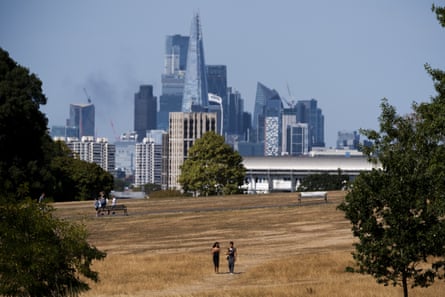
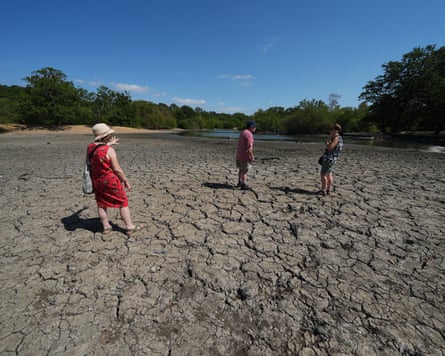
Gill (not her real name), 43, is a teacher in London. In 2026, during the hottest summer on record, she suffered a seizure after experiencing heat exhaustion while teaching. The heatwave was made worse by the climate crisis.
The heat has always made me feel anxious and uncomfortable, but this year was different. The temperature was building up as the summer went on and as it was escalating it was becoming more and more frightening.
It was impossible to get any meaningful rest because I couldn’t fall asleep and when I did, I would wake up feeling suffocated because the air was so thick and dry and hot and there was nothing I could do to make myself feel better. Drinking water, using a fan, it didn’t help.
It got to the point where I would wake up feeling like I couldn’t breathe and with this rising sense of panic where I couldn’t really imagine how I was going to get through the day. I felt unsafe.
There was a lot of anxiety among my colleagues too. People were obviously very uncomfortable, they were worried about the kids, worried about themselves.
One day in late June I woke up and I was exhausted and was lacking the motivation that I normally have for work.
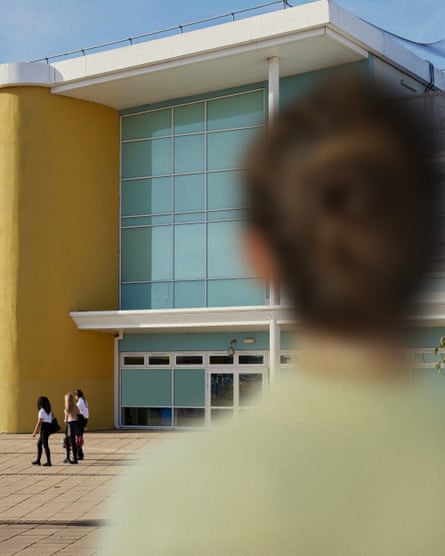
I got to work and my classroom was 30C. It used to be the photocopier room but because of demand for space they took the photocopier out. It’s a very small room with no windows. It was never designed to be a classroom, it’s got no ventilation.
No one was really learning and I was dealing with challenging behaviour and as the day went on I started to feel increasingly unwell to the point where I was dizzy and feverish and I had a really bad headache. I felt like I couldn’t concentrate on anything.
I was diagnosed with epilepsy about 20 years ago. It took about a year to get on top of it, but since then it’s not something that affects my life in any way, it’s extremely well controlled. But on this day, I had my first absent seizure since the diagnosis.
The best way to describe it is like pressing pause on the TV remote. I was on my lunch break and there was a pause and then it was like I restarted again a few seconds later.
I went to meet my colleague in reception, and she told me I had a lot of symptoms of heat exhaustion. I was feverish, I felt cold but my skin was really hot to touch, I was unable to regulate my body temperature and was fluctuating between being really hot and really cold.
No matter how much water I was drinking, I was just feeling chronically thirsty. I’ve never experienced anything like this before, it was really scary.
I was supposed to be teaching that afternoon, but I was not able to, so I cancelled the lesson and stayed in first aid.
My partner picked me up from work and that evening, like every evening over the summer, I just wasn’t really able to do anything. I spoke with my GP a few days later and they said as there is no obvious alternative explanation, they think I had the seizures because of the heat.
The next day, after the government issued its first red heat health alert of the year, the school announced it was closing at 12pm. I still came in though, I think there’s just a sense with teaching that we’re all in it together.
I’ve always found the heat uncomfortable but when you hear advice that those with medical conditions are vulnerable, I never really thought it applied to me. This year felt unprecedented. The relentlessness of it just sent me into a spiral.
It got to the point where I was reluctant to make plans in July and August. I don’t commit to things because I’m worried about the heat.
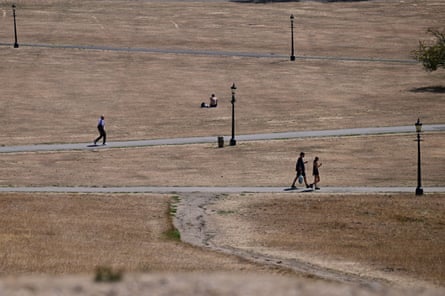
I already feel like my own life and experience is somewhat limited and then I look at a child in front of me and I think, what is their life going to be like when they’re my age?
Summers could soon be unrecognisable, how bad is it going to get? That question really haunts me. Particularly when I think about the young children in my family, my niece, my nephew, the young kids I teach. It’s frightening to think about how serious it’s got in the last five years, and then think, well, you know, five or 10 years from now, what will it be like then?
I have to try quite hard not to think about that too much because if I let those thoughts reach a natural conclusion I just feel really panicked, it’s terrifying.
KioskNews shows a cleaned-up reading view extracted from the publisher’s page — the original always lives on their site, not ours.