Asia's richest country's population hits record high, driven by foreign residents
Singapore's population rose 1.6% in June from a year earlier to a record 6.21 million, according to government statistics released Friday.
The city-state has recorded steady population growth since the end of the pandemic, when it lifted strict restrictions that had kept foreigners away and led to rare population declines.
The June increase was driven by a 3.7% rise in the number of foreign residents, bringing their total to 1.98 million.
The growing number of foreigners in land-scarce Singapore can be politically sensitive, particularly when voters are concerned about jobs and the cost of living.
 |
|
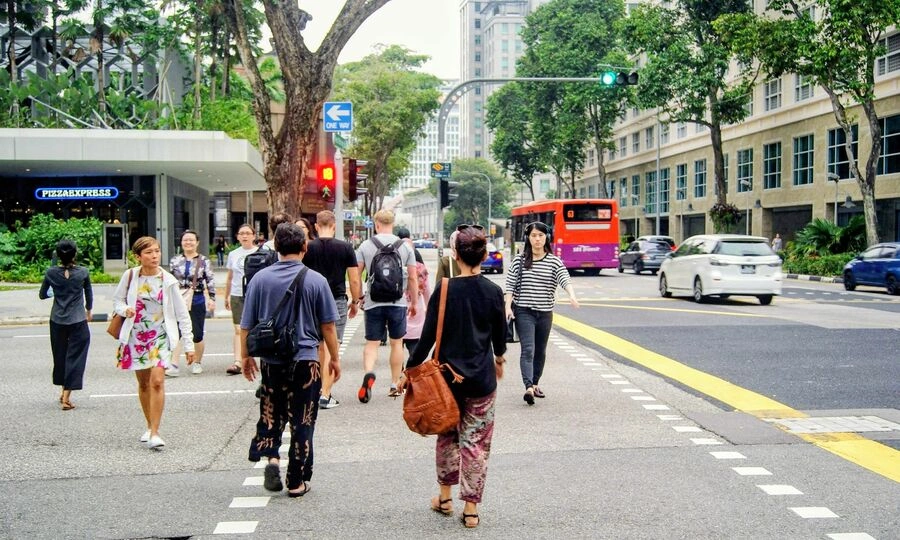
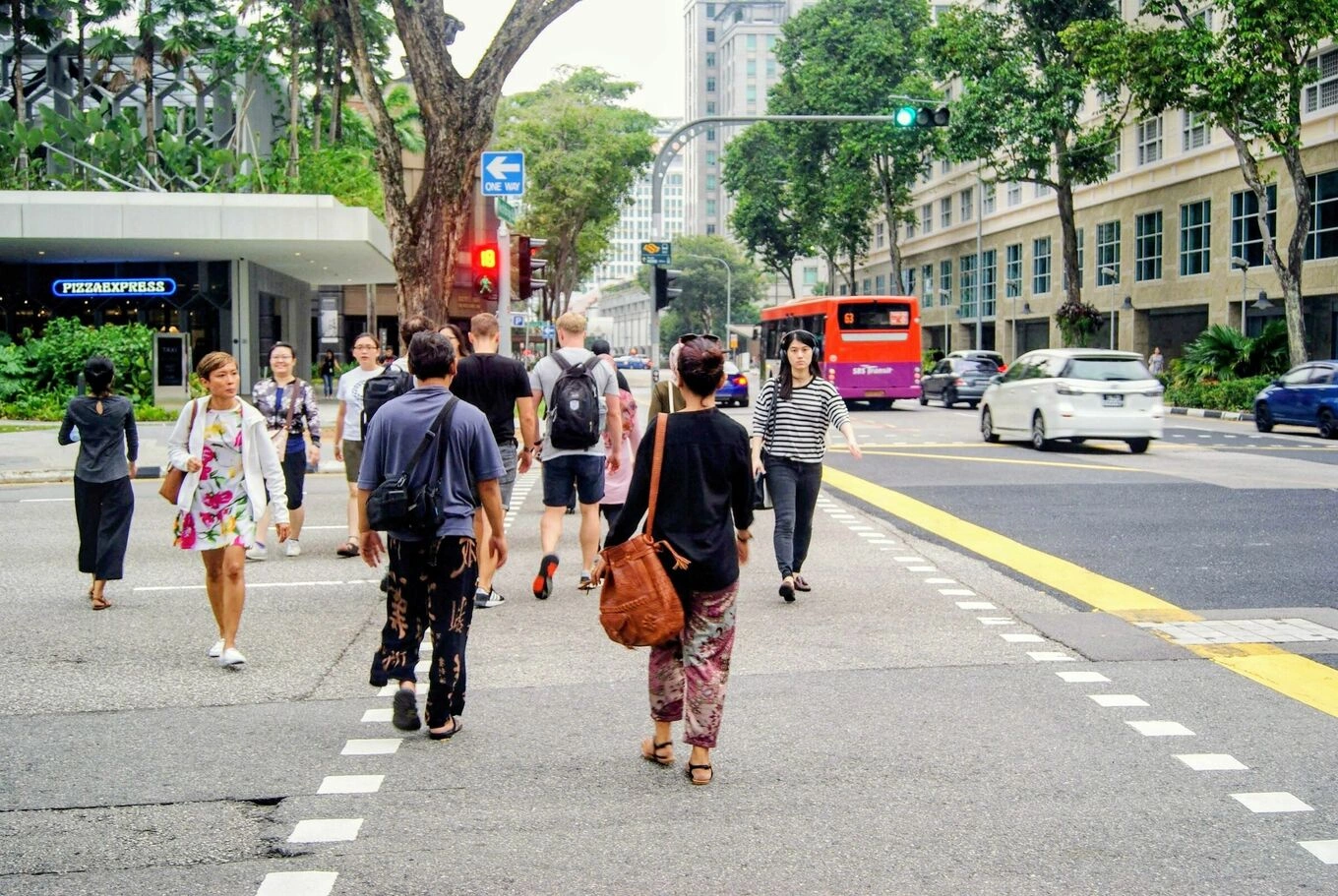
People crossing an intersection in Singapore. Photo by Pexels |
In 2013, the normally orderly island nation saw protests over plans to allow a sharp increase in immigration that would have pushed the population to 6.9 million by 2030.
Singapore's unemployment rate remained low at 1.9% in the second quarter of 2026, although retrenchments during the period reached their highest level since the middle of the Covid-19 pandemic in 2020.
The Southeast Asian city state has said it aims to grant citizenship to up to 30,000 people a year over the next five years to address demographic challenges, including low birth rates and an ageing population.
As of June 2026, the proportion of Singaporeans and permanent residents aged 65 and above rose to 19.5%, from 18.8% in 2025 and 12.4% in 2016.
Singapore has the highest nominal GDP per capita in Asia, according to International Monetary Fund (IMF) data for 2026, standing at approximately $107,758. It raised its 2026 economic growth forecast in August to 4.5%-5.5%, from 2.0%-4.0%, after the economy grew faster than initially estimated in the second quarter.
KioskNews shows a cleaned-up reading view extracted from the publisher’s page — the original always lives on their site, not ours.