‘Window-peeping tourists and their endless selfies have forced me out of my world-famous UK home’
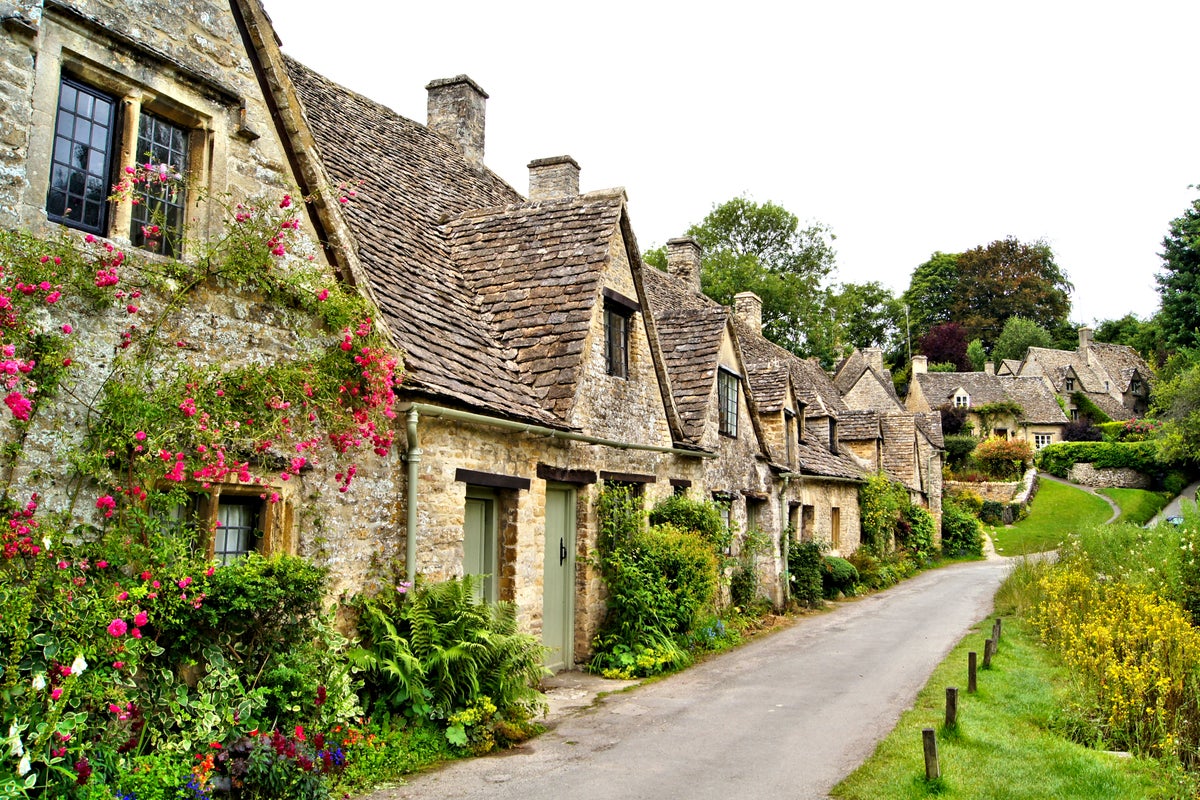
Door banging, window peeping and tourists’ endless selfies have forced a couple living in one of the most famous rows of terraced houses in the world to give up their home.
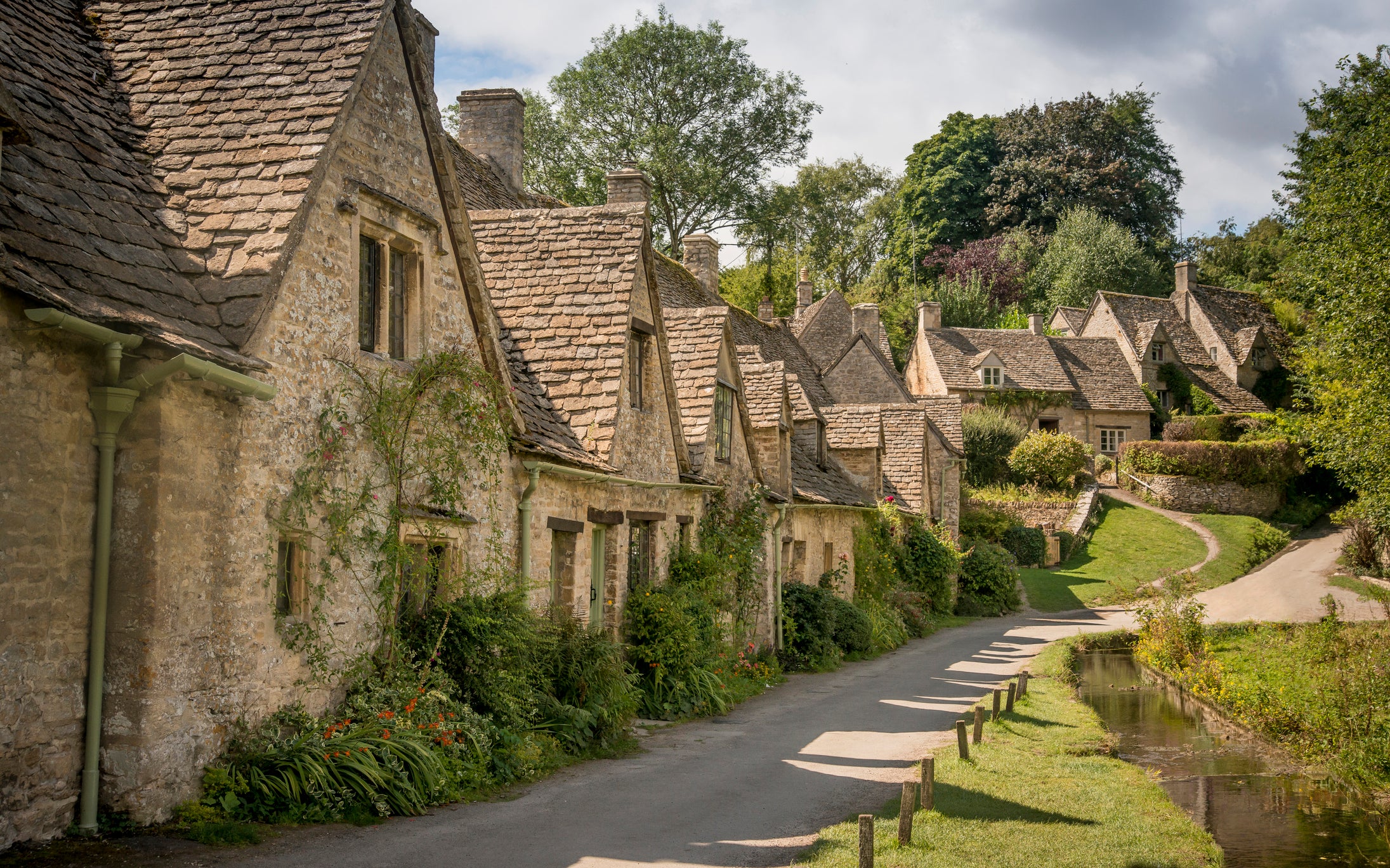
The line of 17th Century weavers’ cottages along Arlington Row in Bibury in Gloucestershire attract tens of thousands of visitors each year, and even featured on the inside cover of UK passports.
But fame for the National Trust-owned properties, which have featured in blockbuster films Bridget Jones’s Diary and Stardust, have caused a headache for locals who say the crowds of tourists not only invade their privacy but stop them going about their normal lives.
The situation has proved too much for Brian and Jill Skarda, pillars of the local community who live in one of the cottages.
Writing his last “Tales from the Riverbank” column in the local magazine, Mr Skarda wrote: “We have decided that we have had enough of invasive tourism in Arlington Row, with door banging, window peeping and general interference in our private lives.
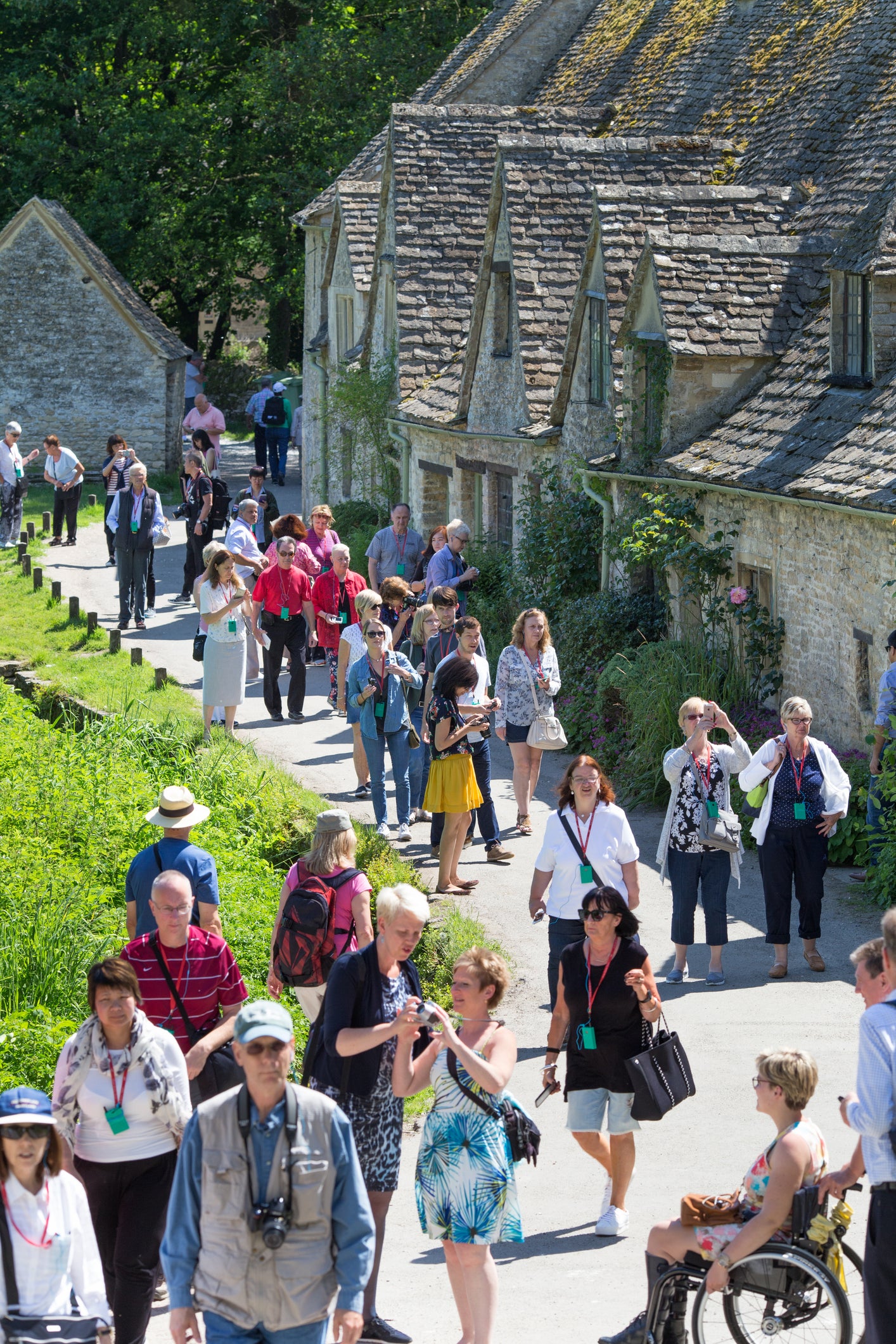
“We have been here for over 14 years and noticed that since Covid, visitor behaviours have changed. They have become more inconsiderate and the sheer numbers of tourists this year have meant that, on occasions, we have virtually been unable to get out of our front door or move our car along the Row.
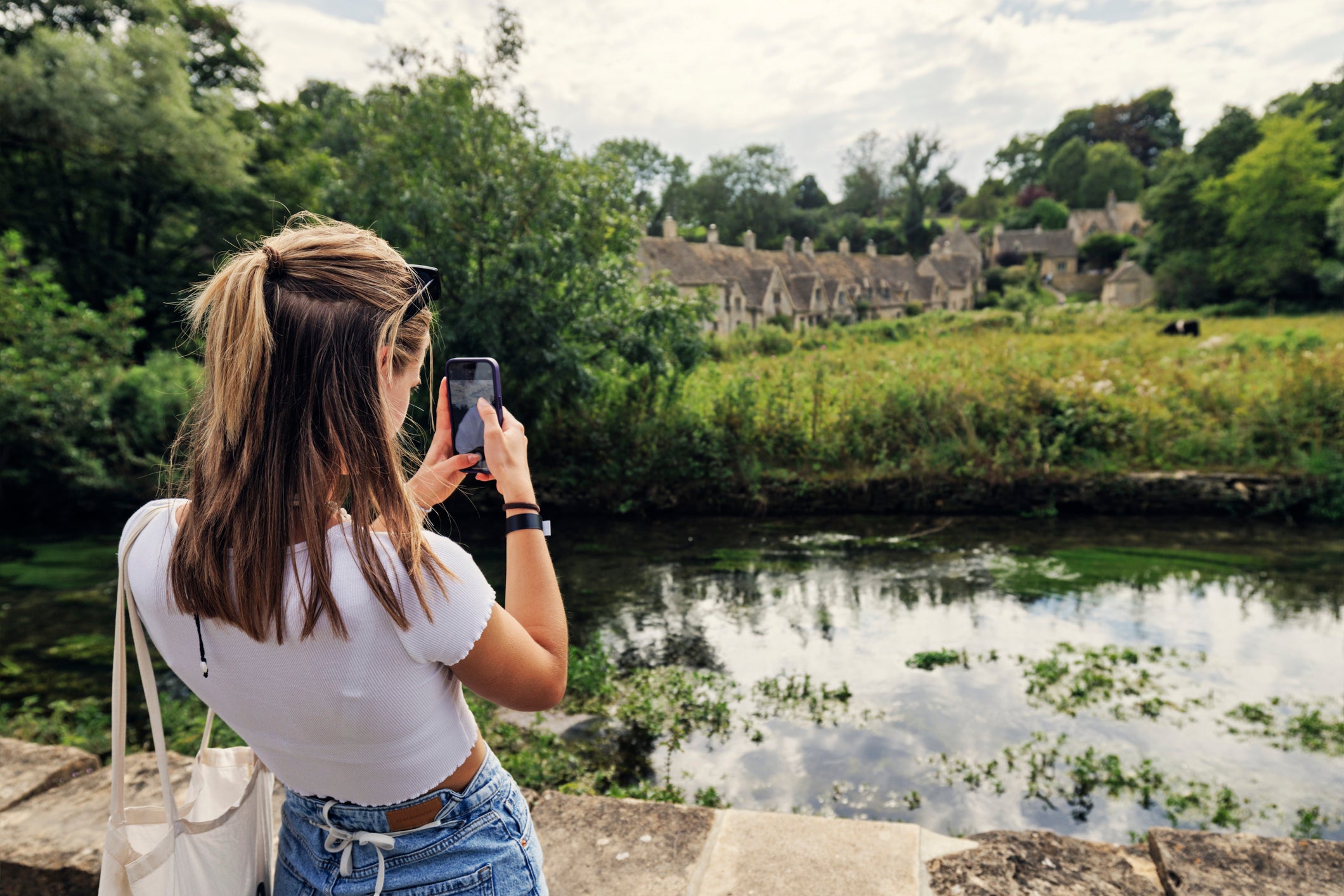
“The Row is always at the centre of tourist interest in the village and it seems that all of them want to take a ‘selfie’ or a photo, or video of themselves and their 14 friends somewhere along the Row. The poses that are struck and the efforts they go to seem more to do with themselves than the structure they have come to see!”
Mr Skarda had moved with his wife from Barnsley to Bibury and became part of the village fabric, joining the parish council and being a member of community group Bibury One and Bibury United Charities.
As part of his work, he focused on highways, often working on intiatives to manage the high numbers of vehicles to the village and report inconsiderate parking, and sometimes abuse and threatening behaviour from drivers.
In his column, Mr Skarda continued: “During the time we have been here I have spoken to thousands of tourists most of whom comment anything from “it must be awful living here” to “you are so lucky to live in this beautiful place”.
“And they are both right! This is a beautiful village and, sadly, it is being ruined by the very people who come to see it!”
Mr Skarda, whose cottage appeared on Stardust, said his last memories from the tourists included lowering his head to exit his front door before being faced by a line of 10 Japanese men, who all bowed back in return.
“We hope that Bibury may resolve its tourism issues in due course, so that all residents can enjoy this lovely place and preserve it for the future enjoyment of all,” he finished in his farewell piece.
The latest move by parish leaders to protect the village against overtourism is a plan to put up fences on a river bank to stop people entering the River Coln, with locals worried they were impacting local wildlife.
Drop-off coach parking has been introduced as part of a trial and double yellow lines extended in the village in a bid to stop the narrow lanes becoming clogged up with vehicles.
However, some are still unhappy over the size of buses coming into the village, and the use of drones by some tourists. Visitors have also been pictured previously jumping over walls connected to private properties.
The appeal for the village stems partly from William Morris describing it as the “most beautiful village in England” in the 19th Century.
It’s attraction following Covid appears to have increased with up to 20,000 visitors in a weekend, many brought to the village in buses as part of tours of the Cotswolds.
The row of cottages in Arlington Row, the focus of many visits, were built as a wool store in 1380 before being converted for weavers to live in 300 years later. They were restored by the National Trust in the 1970s.
Today, they are rented out by the National Trust, with two available for three-night stays priced from £779.
KioskNews shows a cleaned-up reading view extracted from the publisher’s page — the original always lives on their site, not ours.