El Niño may push up food prices, but India better prepared than in 2009: Scientists
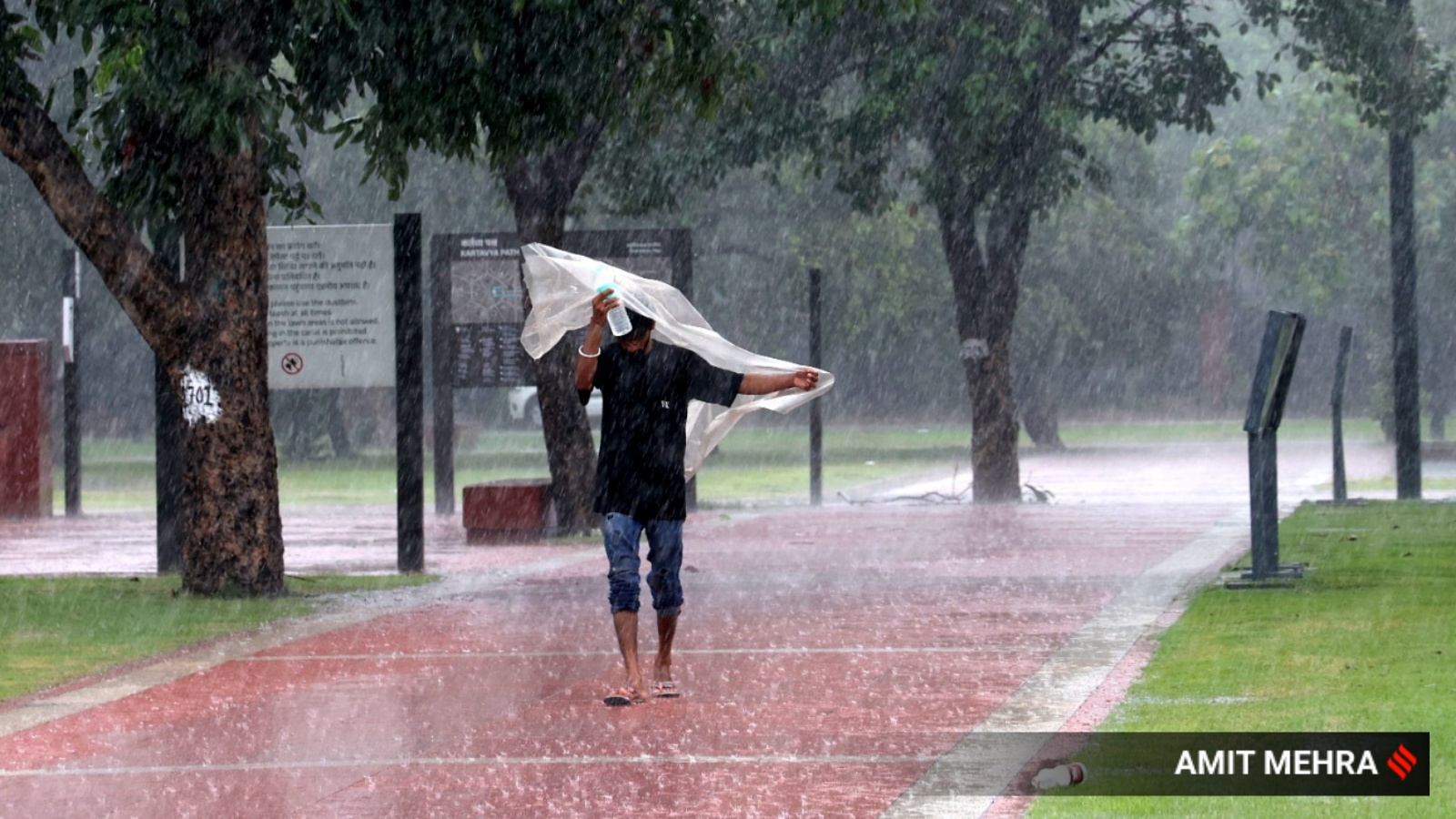
The researchers said that El Nino's impact could extend to the winter monsoon as well. (File)
India’s history with the El Niño and an understanding of the country’s advances in agricultural policies, such as insurances and resilient seeds, suggests that there could be limited food and cattle fodder inflation and a small potential dip in the economy.
This was one of the assessments made during a session, “El Nino Meets a Warming Indian Ocean: Understanding the Impacts on Extreme Events and Society”, organised by IIOE-2 Early Career Scientists Network (ECSN), a global community of early career researchers, dedicated to advancing the understanding of the Indian Ocean.
Panelist Dr Roxy Mathew Koll, a climate scientist at IITM Pune, said that India had confronted a strong El Niño in 2009, when the monsoon deficit was around 22. “Food inflation after that was around 20 percent. Since then, we have around 56 per cent or more of agricultural land irrigated. We have good stocks, which buffer the inflation prices for rice and wheat. Other crops, like oilseeds and pulses, are getting affected by a rainfall deficit,” he added.
According to Dr Smita Bal, a scientist at the Centre for Marine Living Resources and Ecology, there was a possibility of a negative impact on the availability of the fish due to the rainfall deficit. Dr Himadri Saini, a postdoctoral researcher at the University of Melbourne in Australia, added that no two El Niño are the same.
The researchers said that El Nino’s impact could extend to the winter monsoon as well. They pointed out that, with El Niño, there is, generally, an above-normal Western disturbances that bring the winter rainfall in North India. “The Western Himalayas recently got very heavy rainfall, especially Uttarakhand and Nepal. Satellite images from 10 days ago show hardly any snow in the area. Now, it is packed with snow due to the recent depression-induced moisture dump and also the Western disturbance. We can hope for more rainfall or snowfall in North India areas,” said Dr Vineet Singh, who moderated the event.
KioskNews shows a cleaned-up reading view extracted from the publisher’s page — the original always lives on their site, not ours.