Why lemon and lime zest could be bad for your health
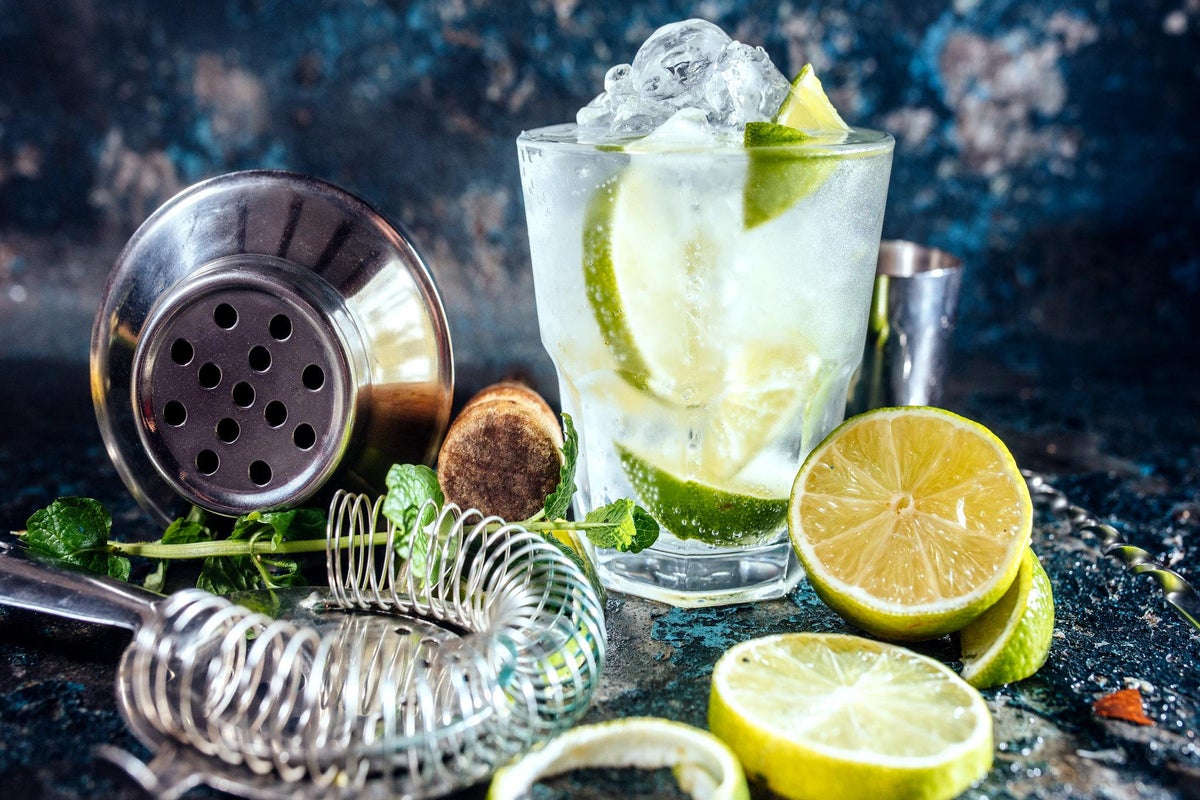
Adding a slice of lemon or lime to your favourite tipple – or grating the rind into a lemon drizzle cake – could be toxic.
That’s according to a viral Instagram post that highlighted a “peel unfit for consumption” warning on packs of limes and oranges sold at Lidl.
The @wholefoodwarrior photographed some of the major UK supermarket’s citrus labels revealing the post-harvest chemicals used to conserve the fruit.
Chemicals such as azoxystrobin and fludioxonil were used on limes along with imazalil, 2-phenylphenol, thiabendazole, pyrimethanil and fludioxonil were spotted on the labels of easy peeler oranges and E903 was labelled as being in the peel’s wax coating of these citrus fruits.
The more than 11k commenters on the post were “horrified” and frustrated that to avoid these chemicals they would need to shop organic.
Of these pesticides four of them have negative health associations and two of them are classed as Highly Hazardous Pesticides (HHPs), according to the charity Pesticide Action Network UK (Pan UK). But these chemicals have been used on citrus fruits for decades.
“Alternatives do exist and are used, notably in organic citrus fruit. The main reason for the use of post-harvest fungicides is to allow for longer storage and transportation times,” policy manager at Pan UK, Nick Mole, told The Independent.
“However, the use of fungicides is often cheaper than the alternatives, which include refrigeration, the use of natural extracts such as spearmint oil and biological controls,” he added.
Breaking down the pesticides used, Mr Mole explained E903 is wax used to coat the fruit, but noted unwaxed fruit is also available in supermarkets.
Imazalil is a possible carcinogen and developmental toxin. It’s used in during storage and transportation and is mainly used on the skin of the fruit so can be consumed if the zest is used.
In addition, 2-phenylphenol is also a possible human carcinogen, Thiabendazole is a carcinogen and developmental toxin and pyrimethanil is also a possible carcinogen and an endocrine disruptor — meaning it can interfere with the body’s normal hormone system.
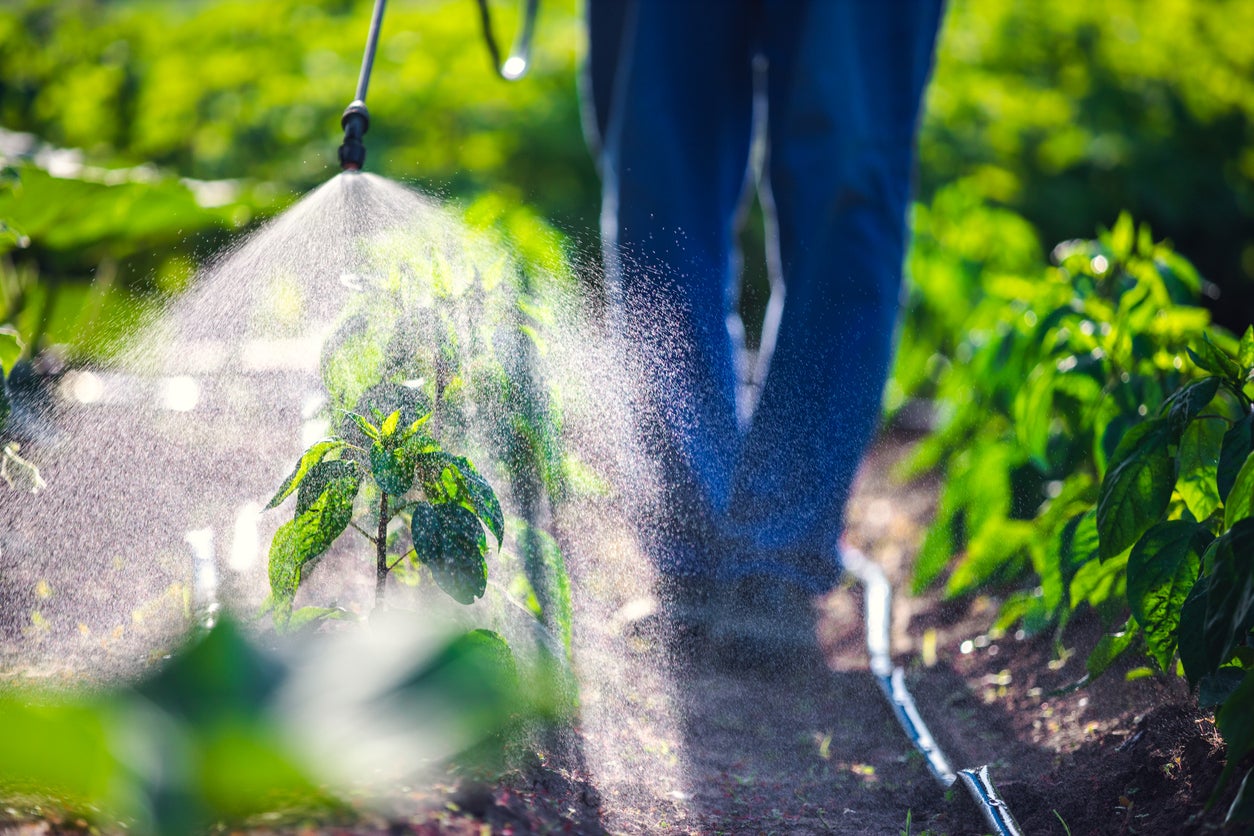
The EU did consider reducing the maximum limit for residue of imazalil in 2018, but the changes were applied in 2019 and only included bananas, apples and pears.
Supermarkets are advised, but not legally obliged, to declare the chemicals used in the production and preservation of fruit and vegetables.
However, Lidl has confirmed that the warning was a labelling error and the wording "peel unfit for consumption" was mistakenly added to a small number of citrus fruits.
The supermarket chain explained post-harvest treatment disclosures will remain on the packaging, while the products themselves have not changed and continue to meet all UK safety standards, backed by rigorous testing.
A Lidl spokesperson said: "We can assure our customers that these products have not changed and continue to fully comply with all UK safety standards. We are working with our supplier to have the packaging label updated to avoid confusion."
If shoppers want to avoid these chemicals entirely, opting for organic is best, one expert said.
"Enjoying a lime in our drinks or bakes shouldn't have to worry citizens about the effects on their health. More than ever, consumers are aware of the environmental and health concerns of these chemicals and are looking for ways to avoid them,” Soil Association Certification head of technical Sarah Hathaway told The Independent.
“The simplest way is to choose organic, which does not permit synthetic pesticides, either in the production or post-harvest of food,” she added.
KioskNews shows a cleaned-up reading view extracted from the publisher’s page — the original always lives on their site, not ours.