UP Boosts Crop Residue Use For Biogas, 78 More Plants To Be Installed
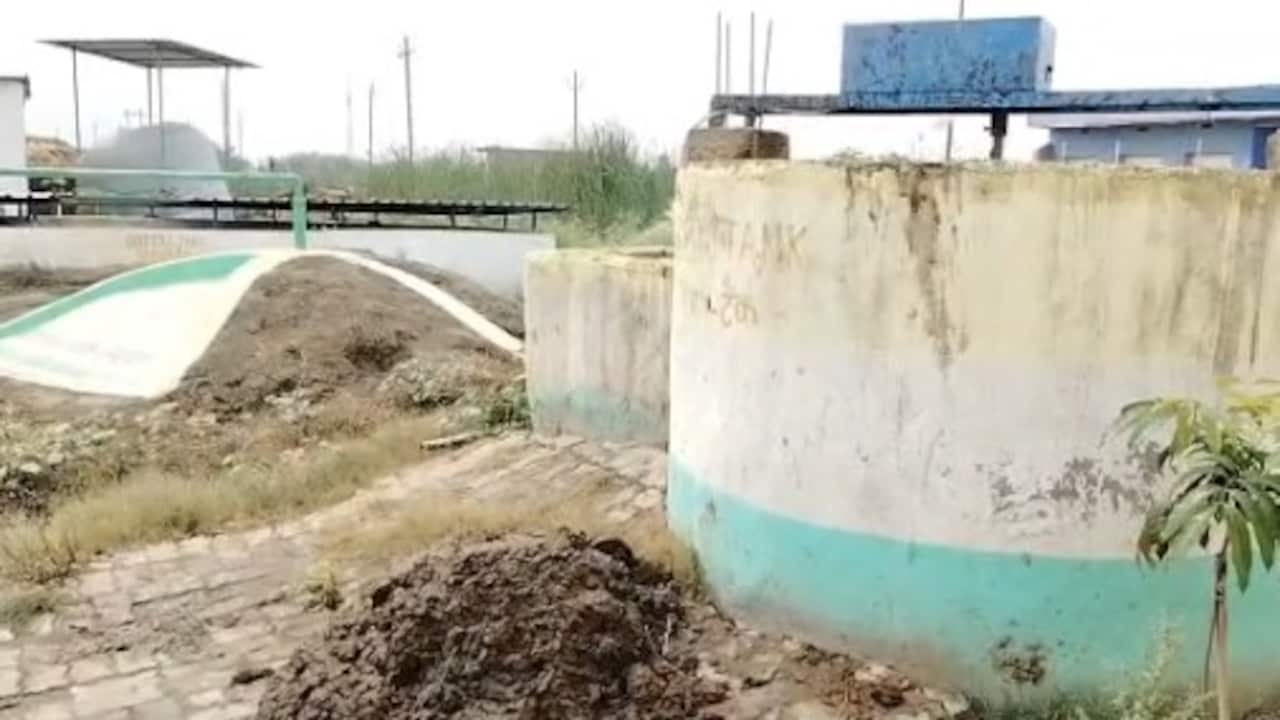
The Uttar Pradesh government is promoting the use of crop residue as an economic resource for farmers. Under the initiative, stubble is being collected from fields and supplied to compressed biogas (CBG) plants. It is then converted into biogas, while the organic residue left after processing is used as manure.
The state currently has 40 biogas plants operational, with plans to establish 78 more, according to the agriculture department, as per a press release.
In Barabanki, the initiative has helped farmers reduce the cost and time involved in clearing fields after harvesting.
Yogesh, a farmer from Karamat Kheda village in Harakh block, grows wheat, paddy and potato. He said timely removal of stubble has allowed him to prepare his fields for the next crop without delays.
Earlier, farmers often faced a choice between paying for residue removal or burning it to clear their fields quickly. Balram, a farmer from Tikra village, said clearing stubble from an acre could cost around Rs 2,500 to Rs 3,000.
“Transporting stubble to the biogas plant saves us the cost of removing it from the field,” Balram said. He added that farmers can now avoid burning residue while the processed organic material can be used as manure.
According to the Agriculture Department, the model was developed with technical support from the Gates Foundation's Technical Support Unit (TSU), with Farmer Producer Organizations (FPOs), aggregators and other supply-chain participants being integrated into the system.
FPOs and aggregators help map fields, coordinate collection schedules and ensure that stubble is removed soon after harvesting. Machines such as slashers, rakers and balers are used to cut and bundle the residue before it is transported to collection centres and CBG plants.
The CBG plant on Deva Road in Barabanki processes around 150 tonnes of stubble every day and produces approximately 15,000 to 19,000 kg of biogas daily.
The plant uses paddy and maize residue, which has limited use as animal fodder because of its relatively high silica content.
Barabanki Deputy Director of Agriculture Umesh Kumar Sah said the CBG plants at Deva Road and Haidergarh have helped expand stubble collection across Harkh, Haidergarh, Fatehpur and Ramnagar blocks.
“Stubble is being removed from farmers' fields on time, while the organic residue generated after processing is being made available as manure,” Sah said.
The initiative has also created employment in stubble cutting, collection, baling, transportation and processing. According to the department, around 10 to 12 people are engaged in field-level collection work, while about 2,000 people are employed at the plant.
Agriculture Department Director TM Tripathi said the approach towards crop residue management in the state was shifting from disposal to scientific utilisation.
“With the establishment of CBG plants, stubble that earlier posed a problem for farmers is now becoming a source of income,” Tripathi said.
The government is also providing subsidy assistance to FPOs and individual beneficiaries for purchasing Crop Residue Management (CRM) machinery, aiming to strengthen the collection network and reduce dependence on stubble burning.
KioskNews shows a cleaned-up reading view extracted from the publisher’s page — the original always lives on their site, not ours.