The Seer's Prophecy In Outlander: Blood Of My Blood Season 2 Explained

Angel Shaw is a Lead Writer and Critic on ScreenRant's TV team, covering new-release and classic TV shows across all major streaming platforms. She has been a writer with ScreenRant since 2022 and specializes in Harry Potter, The Lord of the Rings, and fantasy.
Angel holds a bachelor's degree in language interpreting and is passionate about all things culture and communication—especially in how it relates to popular media throughout history (from Shakespeare to Friends to Game of Thrones).
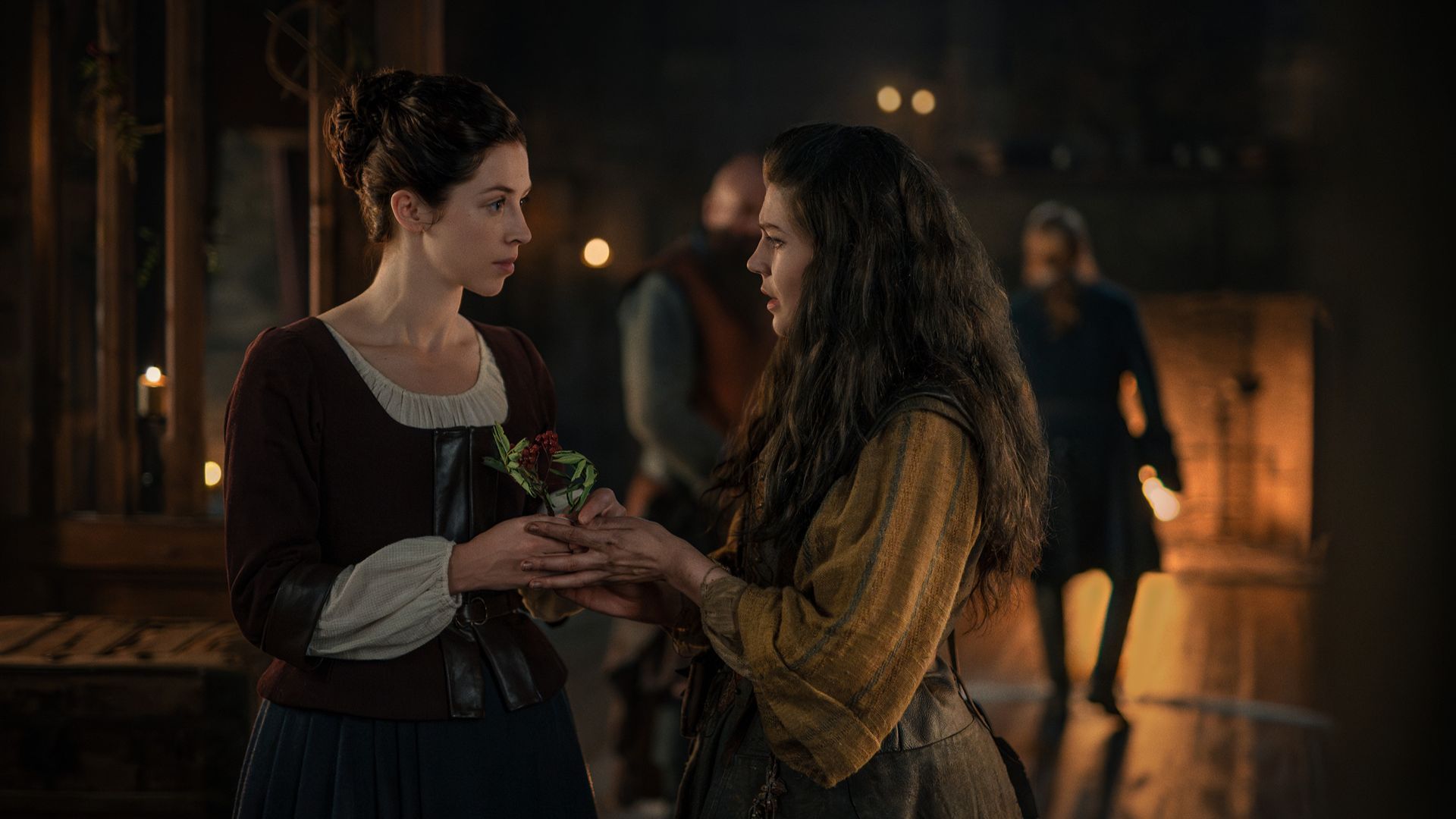
Warning! Spoilers for Outlander: Blood of My Blood season 2 ahead!Outlander: Blood of My Blood season 2, episode 2, gave us a whole lot to think about. In fact, it might have just changed absolutely everything. In this installment of the romantasy spinoff series, Julia summons the seer, Maisri, back to Leathers. Her goal is to discover why she was unable to travel through the stones with Brian, and the answer is that she apparently lacks the genetic ability. This naturally brings up further questions, such as how Julia ended up in the 18th century to begin with, but this mystery is quickly overshadowed.
Lord Simon Fraser returns to Leathers before Maisri departs, and he confronts the seers with some of his own questions about his son. Of course, what he doesn't know is that Julia's baby, little "Simon," isn't actually his. The boy is named William Henry Beauchamp, and he belongs to both Julia and Henry. Still, Maisri gives a prophecy that seems to specifically refer to Simon's line, once again promising that a Fraser would one day be king:
A rose
Red as embers
And one white as snow
One will bear the brighter crown
For a babe in arms with
Two mothers
And fathers three
The thorns in the field
Atop them
White roses
Among them a russet coat
And with cunning air we find the fox
He's left his lair
Your son's name
Not yet regal, but mark me
If he stands the last of your line
He shall one day be a king
Simon didn't quite know what to make of this prophecy, and it's no big question why. Maisri doesn't say much particularly clearly, but those familiar with the broader picture of the Outlander can come to a handful of intriguing assumptions. First and foremost, this prophecy is extremely similar to the one from Diana Gabaldon's books, which claims that the last member of the Fraser of Lovat line would be a true Scottish king. There's also a reference to the prophecy from Outlander that inspired Geillis Duncan to try to murder Brianna—a plotline that was essentially dropped by the show.
A prophecy in Outlander season 3 claimed that the Scottish King would be revealed following the death of a 200-year-old baby. Because Brianna was conceived in the 18th century but born in the 20th, Geillis concluded that the prophecy must be referring to her.
It's intriguing that all of this would come into play again, especially since the central Outlander TV show never really did much with its prophecies. Claire killed Geillis before she could find the 200-year-old baby referenced by Margaret Campbell's prophecy in Outlander season 3, and it really wasn't mentioned again. Maisri's prophecy seems to tie that concept back into the franchise's overarching plot, but she also introduces a different baby who is absolutely key. This one isn't 200 years old. Instead, it has two mothers and three fathers.
Who Is The Babe With Two Mothers & Father's Three?
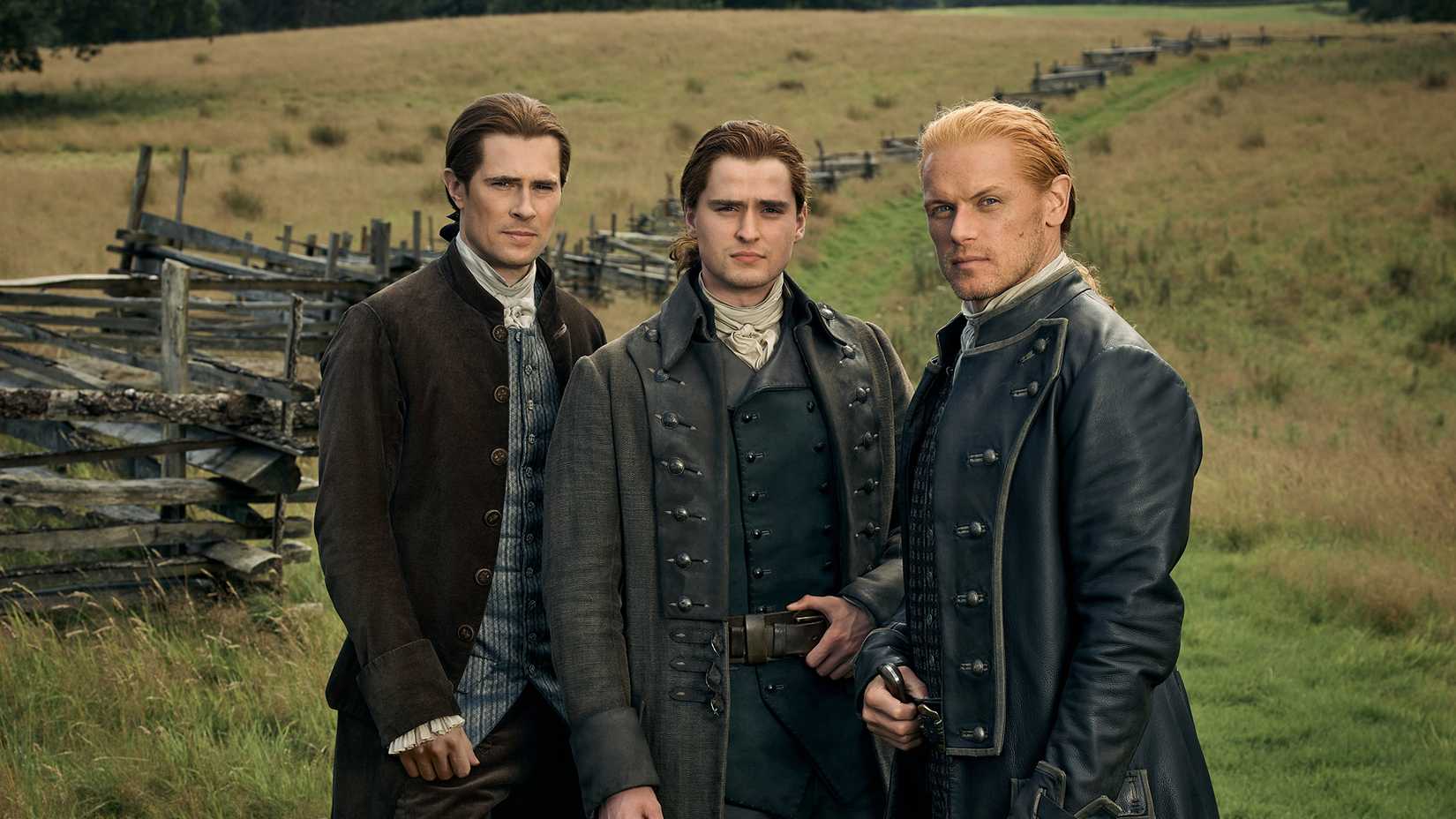
Simon guesses that the "babe with two mothers and father's three" line references a biological mother, the mother Mary, and the Holy Trinity. It's certainly possible, since the Jacobites aim to put a Catholic on the throne. Still, it shouldn't be ignored that there is exactly one Outlander character that just so happens to have two mothers and three fathers, and he also just so happens to be a direct biological descendant of Simon Fraser of Lovat—William Ransom.
Jamie's son, William, was born to Geneva Dunsay, who was his biological mother. However, he was raised by an adoptive mother, Isobel Dunsay. Legally, William's father is Ludovic Ransom, Earl of Ellesmere. However, his biological father is Jamie Fraser, though he was ultimately raised by Lord John Grey, whom he called father from childhood. All of this means that, by no big stretch at all, William very uniquely fulfills the specific details of this prophecy.
The Rest Of The Prophecy Broken Down
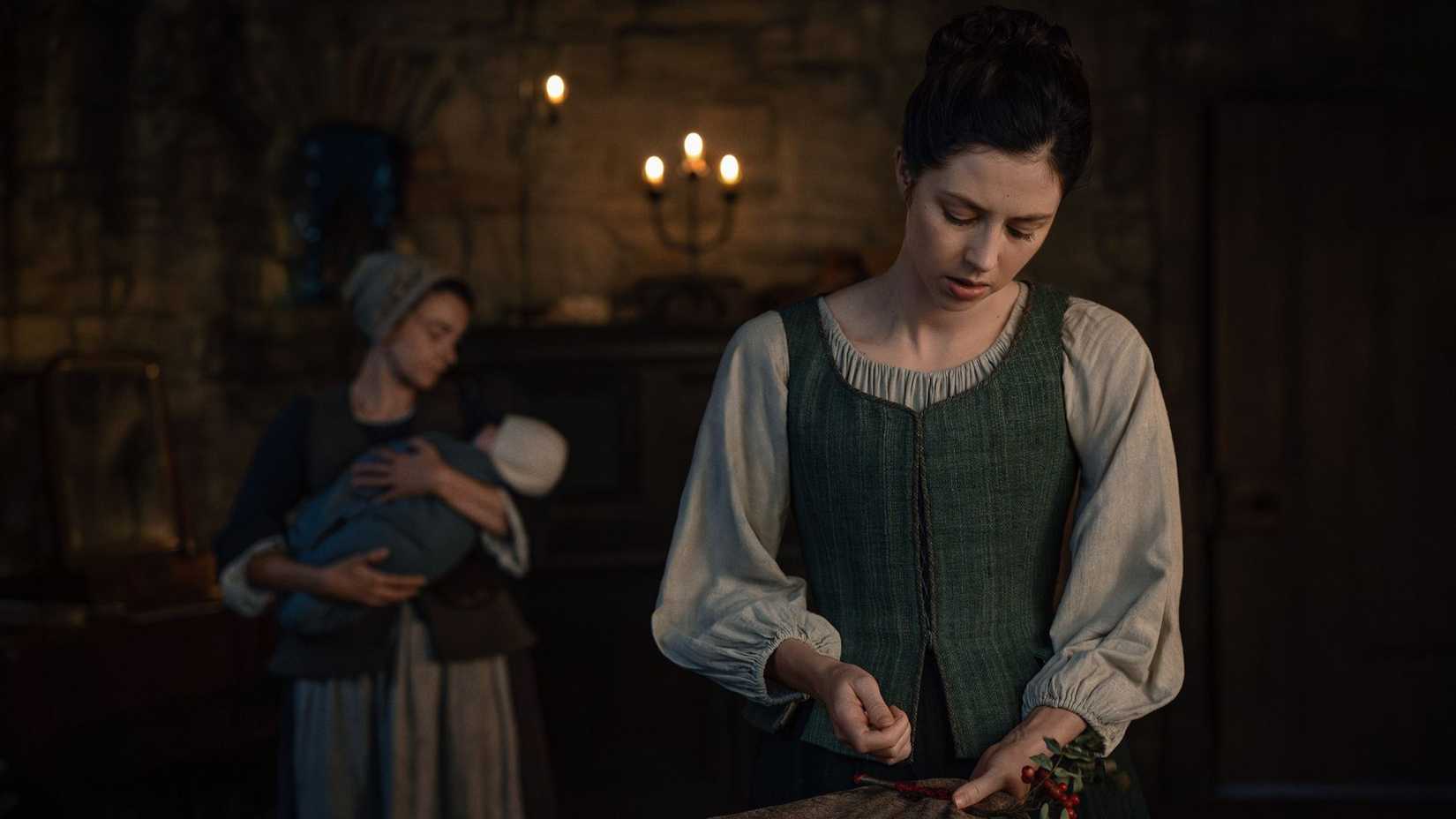
William's involvement in the prophecy brings some sense in those first lines, which reference a red and white rose. William is one of Jamie's two surviving children—two members of Simon Fraser's biological line. A rose "red as embers" must refer to the red-haired Brianna, who we already know is also connected to the idea of a Scottish king. This would make the white rose William, the color potentially referencing his British aristocratic upbringing.
The "brighter crown" line could really apply to either Brianna or William. Brianna's crown might be considered brighter because she is legally recognized as Jamie's daughter. Or, William's crown could be brighter because he sits at the end of a direct male line. The general idea seems to teeter between William and Brianna as the two potential heirs.
This brings us to the next section of Maisri's prophecy. She mentions thorns in a field, "atop them white roses." The meaning here is pretty clear. The Jacobite symbol is a white rose, and the field suggests a battle. Among the white roses is a "russet coat." Once again, this brings to mind a very specific Outlander character, as Jamie nearly always wore such a coat. This suggests that the battle discussed here is the Battle of Culloden, which, intriguingly, occurred on the very same day that Claire traveled back to the future, turning Brianna into a 200-year-old baby.
Essentially, this section of the prophecy is emphasizing the importance of that day. It's when Jamie, the grandson of cunning Lord Lovat, AKA the Fox, fights among the white roses on a field of thorns. Maisri then segues right into "your son's name, not yet regal, but mark me, if he stands the last of your line, he shall one day be a king." The connection to Jamie suggests that the seer isn't referring specifically to Lovat's son but to his great-grandson, who shares the same first name as Julia's son, William.
What This Prophecy Could Mean For The Outlander Franchise's Future
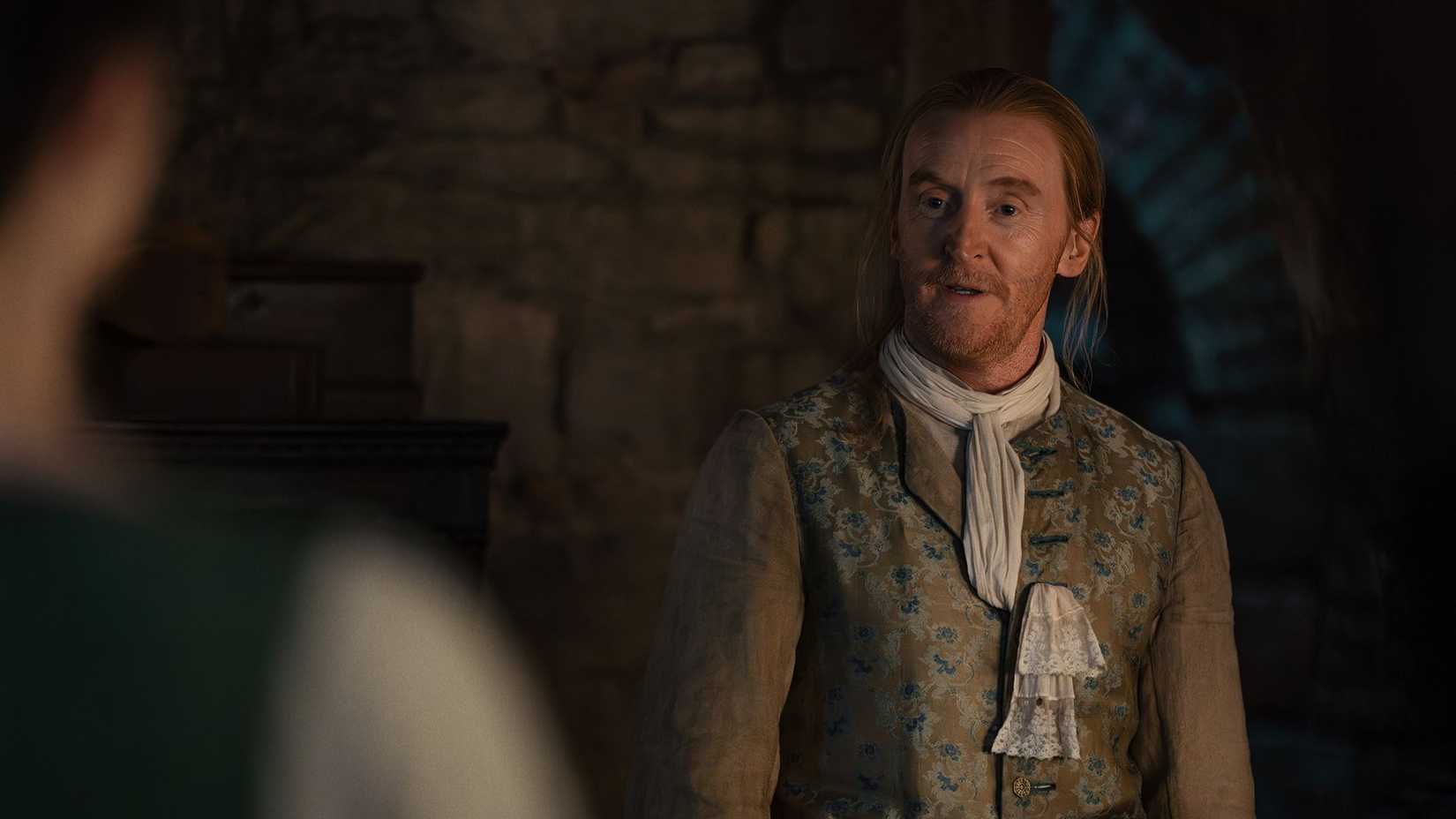
The central Outlander franchise ultimately ignored the prophecies that connect the Fraser line to the throne. The idea that the "last" member would be king was never carried over to the show and was instead replaced by the version stating that the Scottish king would only be revealed upon the death of a 200-year-old baby. Brianna never died during the show, thanks to Claire, so we didn't get to see if this could be true, and that was that. Bringing this back and wrapping William into it truly changes everything about how we imagine the future of the Outlander franchise.
William and Brianna's stories seemingly ended with Outlander season 8, but Blood of My Blood season 2 is retroactively building it forward. William is Jamie's son, who is Brian's son, who is Simon's son, and assuming the old Fox's other lines of direct male heirs die first, the idea here is that William could somehow become king. However, Brianna's prophecy suggests that she would have to die for this to happen.
Precisely how all of this could work out is puzzling. Even as a Ransom, William isn't in line for the throne. He is secretly Catholic (a stinking papist), but still generally identifies as Protestant. Maisri's prophecy implies that this king must be the last member of a direct male line, which again disqualifies Brianna, but her death would still somehow be involved.
Still, as intriguing as all of this is, the standout implication is that William and Brianna's stories aren't over. Surely, Blood of My Blood wouldn't make a big deal of this if these characters will never get back on screen in some capacity—but how? One way or the other, this Outlander spinoff has set up a new endgame for the franchise. Things are headed in a specific direction, and all we can do is wait and see how we could ever get there.
-
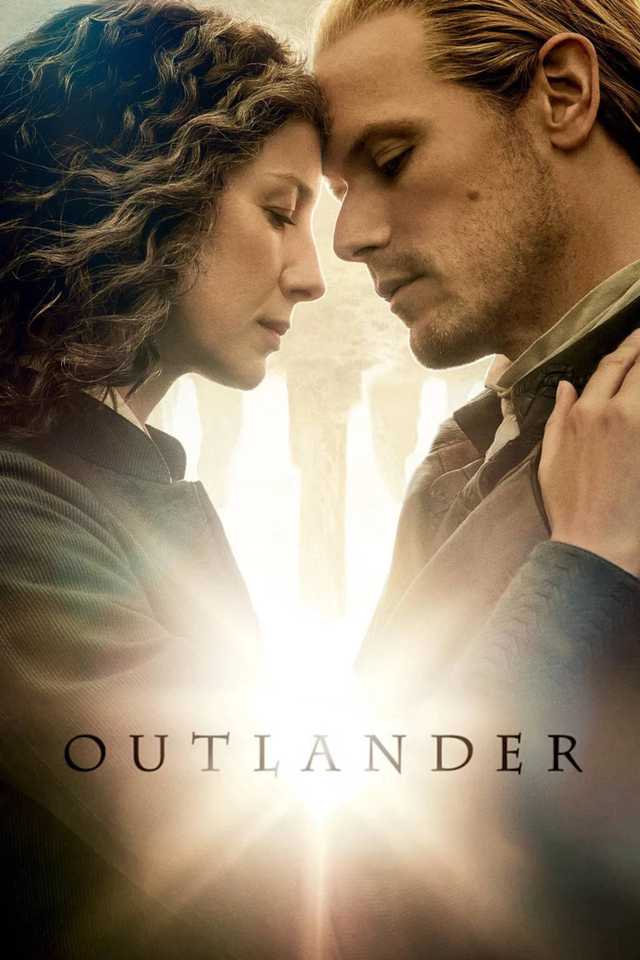
Outlander follows a married nurse from the mid-1940s who is transported to 18th-century Scotland. As she confronts unfamiliar customs and constant danger, she is torn between survival, loyalty, and a burgeoning romance, challenging her ability to balance two disparate lives.


KioskNews shows a cleaned-up reading view extracted from the publisher’s page — the original always lives on their site, not ours.