Dementia: Knowing earlier makes a difference — Ong Yi Song
SEPTEMBER 20 — We often think of dementia as a disease of forgetting. But sometimes, the first signs are not simply about memory. They can appear as small changes in everyday life — moments when things that were once familiar begin to feel a little less easy.
These changes can be subtle. A television remote they have used countless times may seem difficult to navigate, leaving them wondering why the TV is not working. A recipe they have followed for decades may become harder to follow, leading them to wonder whether something is wrong with the ingredients.
The same question may come up again and again in a conversation, without them realising it has already been answered. Because these changes can be gradual, they may easily be overlooked or simply put down to getting older.
We all have moments when we forget a name, lose our train of thought, or walk into a room and forget what we intended to do. Ageing, stress, tiredness, or other health conditions can affect memory and thinking.
Not every change means dementia, and these signs alone cannot confirm a diagnosis. But when these changes persist and begin to affect everyday life, they are worth noticing rather than simply being dismissed as normal ageing. Speaking to a healthcare professional can help determine what may be happening.
This World Alzheimer’s Month, the campaign carries a simple but important message: “The Earlier You Know, The More You Can Do: A Dementia Diagnosis Matters.”
Although dementia cannot currently be reversed or cured, an early diagnosis gives individuals and families more time to understand what is happening, explore available support and treatment options, and prepare for what lies ahead. It can also help the person living with dementia maintain independence and live as well as possible for as long as possible.
Dementia also affects the people who love and care for them. As dementia progresses, communication can become more difficult. A person may struggle to find the right words, follow a conversation or express what they need. For families and caregivers, adapting to these changes can be challenging.
When communication changes, we need to change the way we communicate — not the relationship. This might mean using simpler words, allowing more time for an answer, or offering reassurance instead of correcting.
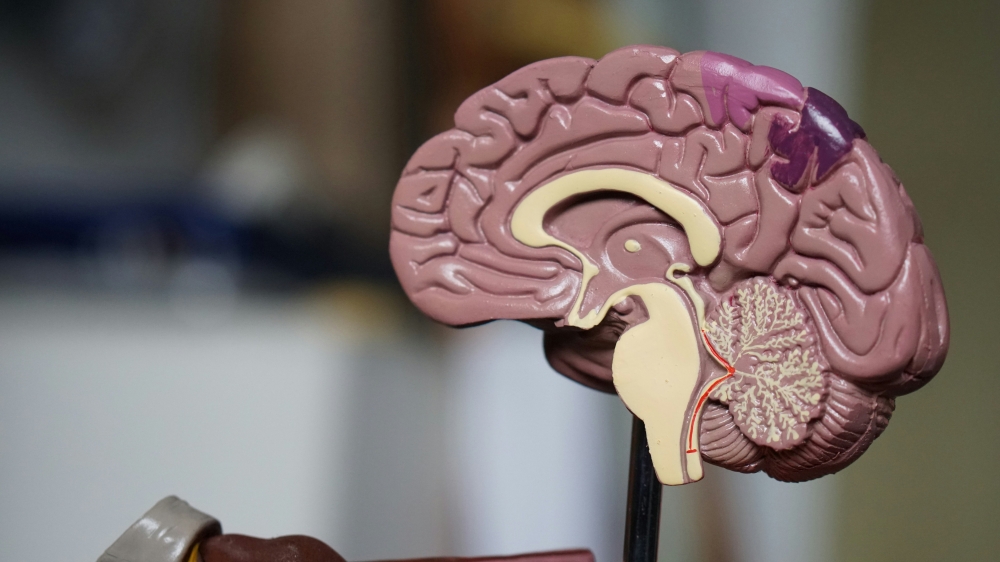
The writer says early recognition of dementia can give individuals and families more time to understand the condition, explore support and treatment options, and prepare for what lies ahead. — Unsplash pic
It may mean finding a different way to approach a difficult moment and meeting where they are, rather than expecting them to communicate as they once did. Memories may fade, and dementia may change the conversation, but the need to feel loved, understood and connected remains.
This World Alzheimer’s Day, let’s start by noticing the changes and learning to listen differently. Because the earlier we know, the more we can do — for the person living with dementia, for the people who care for them, and for the relationships, choices, and moments that matter most.
* This is the personal opinion of the writer or publication and does not necessarily represent the views of Malay Mail.
KioskNews shows a cleaned-up reading view extracted from the publisher’s page — the original always lives on their site, not ours.