Bats sighted at Abu Simbel Temple leads to concern amongst tourists – but are they a threat?
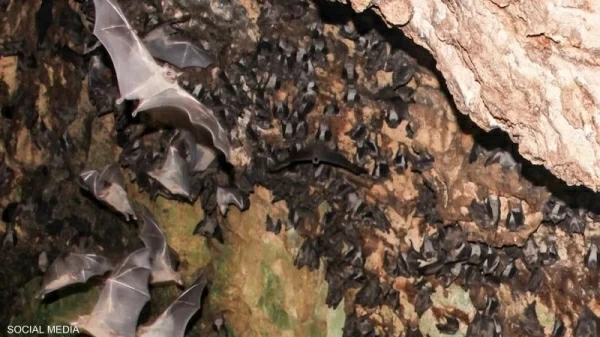
Visitors at the Abu Simbel Temple complex in southern Aswan recently spotted clusters of bats roosting in the elevated sections of the monument, particularly along the high stone ceilings.
The sightings caught the attention of tourists during their tours of the historic site.
Addressing the issue, an official from the Aswan Antiquities Sector told Al-Masry Al-Youm that the presence of bats inside the temple is not a new development.
Their appearance is heavily linked to the summer season, when the animals seek out dark, humid environments suited to their roosting habits.
Minimal impact on ancient reliefs
- Confined numbers: The official noted that bat numbers remain relatively small and are strictly concentrated near the upper ceiling areas.
- Zero damage to the site: Evaluations confirm that the bats have caused no structural or aesthetic damage to the ancient walls, carvings, or reliefs.
Non-toxic mitigation strategies
Antiquities authorities have reached out to pest management departments to identify safe ways to deter the bats without compromising the sensitive site:
- Preserving visitor and worker health: Any chosen method must avoid strong or pungent odors and toxic chemicals that could harm staff, tourists, or the ancient stone components.
- Ultrasonic technology: Officials are actively evaluating the deployment of ultrasonic repeller devices to humanely discourage the bats from nesting inside the sanctuary without physical or environmental disruption.
KioskNews shows a cleaned-up reading view extracted from the publisher’s page — the original always lives on their site, not ours.