Bill Gates thinks policy like California’s 'rich tax' is only solution in AI age
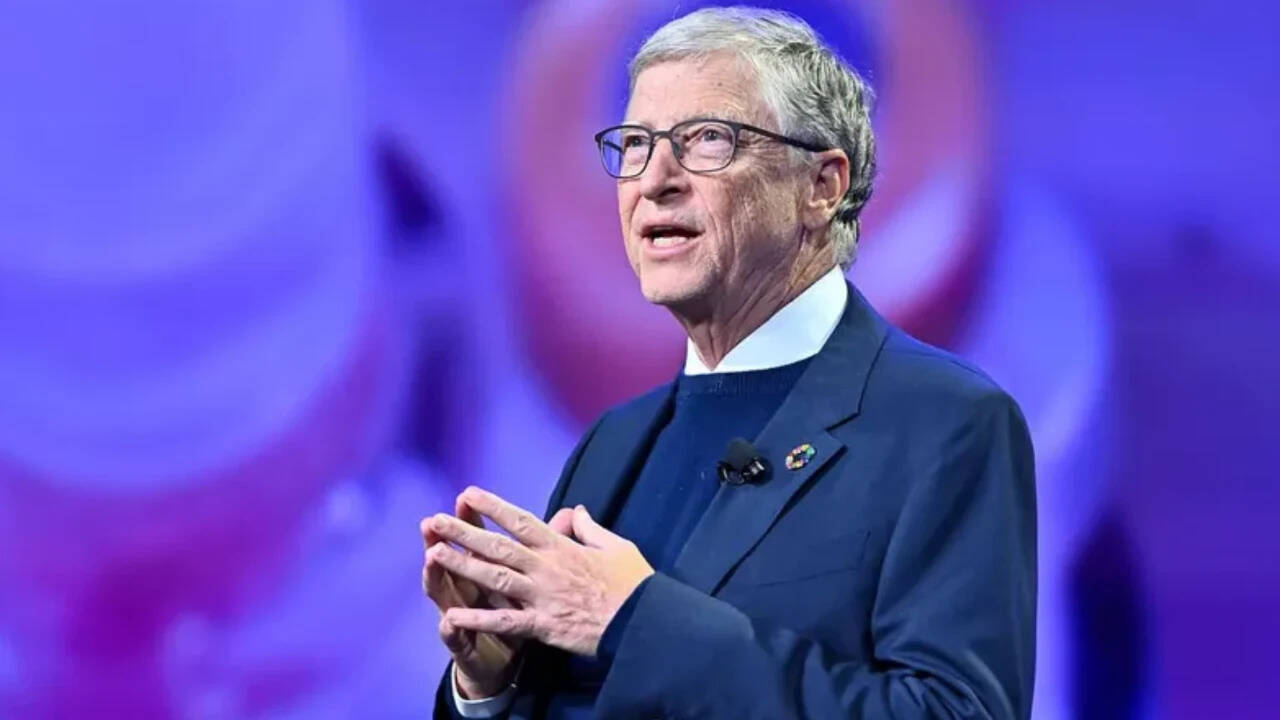

Bill Gates thinks that policy like the 'rich tax' that created 'uproar' in California is the only solution in the AI age; says: We can’t expect philanthropy as …
AI, some believe could make the world’s richest people even wealthier, but Bill Gates believes governments will need to do more to ensure that its benefits reach everyone. The Microsoft co-founder has backed progressive wealth taxes, including taxes on billionaires, arguing that philanthropy alone cannot address the growing gap between rich and poor in the AI age.
In a recent interview with the Financial Times, Bill Gates said governments should take the primary responsibility for tackling inequality. He warned that charitable giving, even from the world’s wealthiest individuals, cannot replace public policy or act as a safety net for people affected by economic changes.“The primary responsibility of dealing with inequality will always rest with governments,” Gates said.
“We can’t expect philanthropy, which is voluntary in nature, to be the safety net.”
Why Bill Gates thinks billionaires should pay more tax in the AI age
Bill Gates believes AI could create enormous wealth, particularly for people who own shares in technology companies. However, these gains may not be distributed equally.Data from the US Federal Reserve cited in the report shows that the wealthiest 1% of Americans own more than half of the country’s stock market. This means that as AI companies grow and their share prices rise, a large share of the gains could go to already wealthy investors.
Gates said tax systems would need to change to address this imbalance. “So, in a world of AI, there will have to be changes in tax systems, including the ability to tax people with huge wealth, the ability to tax billionaires,” he said.The billionaire has also committed to giving away virtually all his wealth, estimated at around $100 billion, through the Gates Foundation. The foundation is expected to spend the money over the next 20 years.
However, Gates believes even large philanthropic efforts cannot fully address the inequality that AI may create.
Bill Gates also wants robots to be taxed
Notably, this is not the first time that Gates said about taxing AI. He has previously suggested that governments should consider taxing robots and AI systems that replace human workers.His argument is that companies currently pay payroll taxes when they hire people, while buying a robot can often be treated as a business expense. This, he believes, could encourage businesses to replace workers with machines.
KioskNews shows a cleaned-up reading view extracted from the publisher’s page — the original always lives on their site, not ours.