Every Actor Who Played Hannibal Lecter, Ranked

Few fictional villains have proved as enduringly fascinating as Hannibal Lecter. Created by author Thomas Harris, the brilliant psychiatrist and cannibalistic serial killer first appeared in the 1981 novel Red Dragon, before returning in The Silence of the Lambs, Hannibal, and Hannibal Rising. His combination of refined manners, extraordinary intelligence, and appetite for human flesh has made him one of popular culture's most chilling antagonists.
Lecter's screen history began with Michael Mann's Manhunter in 1986, an adaptation of Red Dragon that introduced audiences to a very different interpretation of the character. The subsequent The Silence of the Lambs became a landmark of psychological horror, winning major Academy Awards and cementing Lecter's place among cinema's most iconic villains. Later adaptations explored both his formative years and his complicated relationship with criminal profiler Will Graham.
Across films and television, Hannibal Lecter has been portrayed through contrasting approaches to menace. Some interpretations emphasise his unnerving stillness and intellectual detachment, while others explore his seductive charm, artistic sensibilities, and capacity for manipulation. Each actor has faced the same challenge: making a highly intelligent murderer compelling without reducing him to a collection of sinister mannerisms.
Aaran Thomas
Hannibal Rising (2007)

Playing a younger version of an iconic villain is a difficult assignment, particularly when audiences already associate the character with one of cinema's most celebrated performances. Aaran Thomas faces that challenge in Hannibal Rising, portraying Lecter as a child before Gaspard Ulliel takes over as the adult character.
Hannibal Rising establishes the traumatic experiences that shape Hannibal's development during World War II. After witnessing his parents' deaths, young Hannibal becomes particularly close to his younger sister, Mischa. Their lives are shattered when Nazi collaborators capture the siblings, and Mischa is murdered. These events provide the foundation for the adult Lecter's subsequent pursuit of revenge.
Thomas brings an appropriately vulnerable quality to the character's childhood, helping establish the contrast between the boy's innocence and the monstrous figure he will become. His performance is necessarily limited by the screenplay's focus on Hannibal's later transformation, but the early scenes establish the emotional trauma driving the story.
The difficulty is that Hannibal Rising gives Thomas little opportunity to develop Lecter's more distinctive qualities. The character's cultivated manners, intellectual sophistication, and chilling ability to manipulate others are largely reserved for the adult portrayal. Thomas serves the story well, but his comparatively brief appearance makes this the least substantial performance of the five.
Gaspard Ulliel
Hannibal Rising (2007)
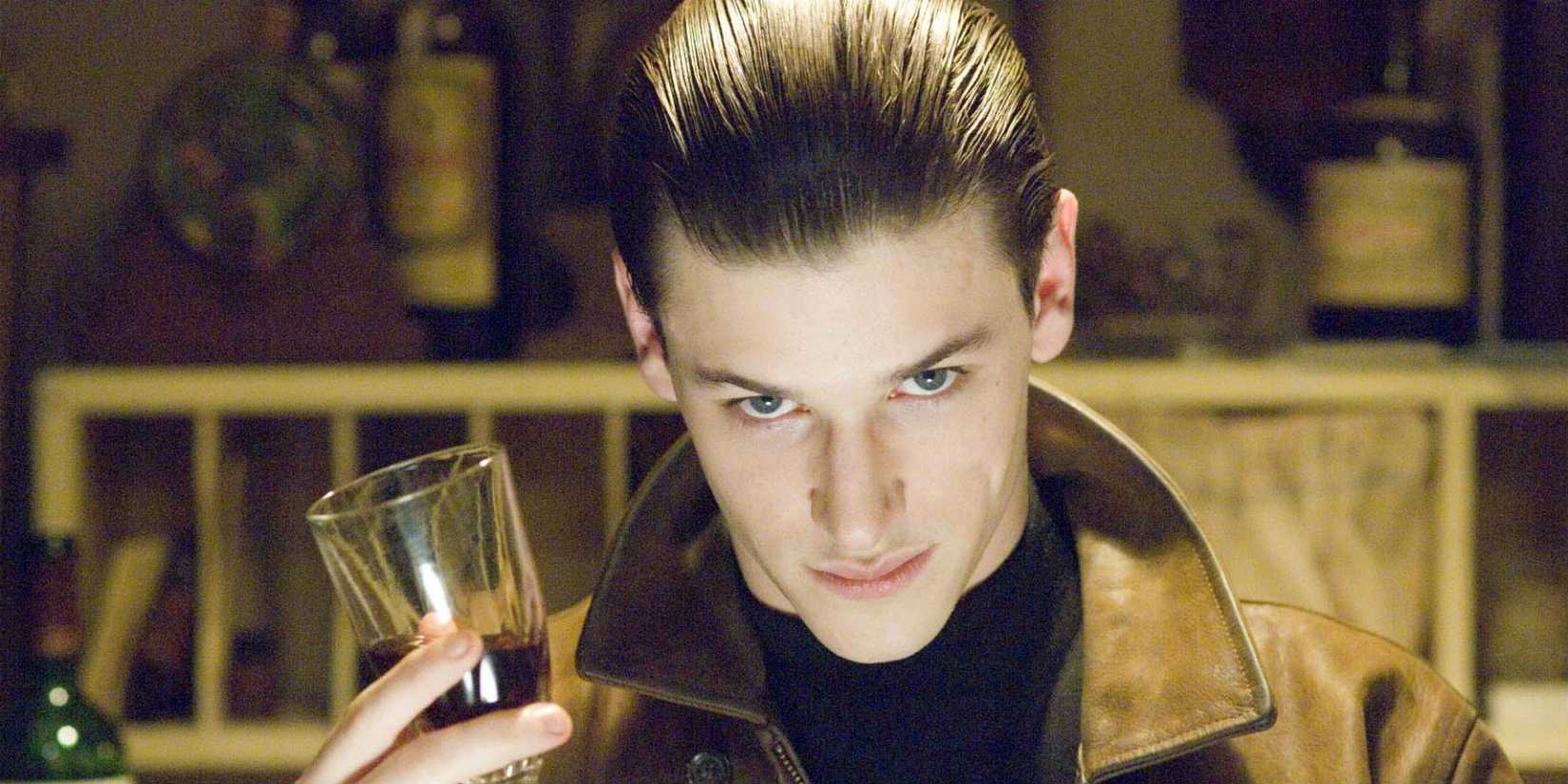
French actor Gaspard Ulliel takes on the considerably more demanding task of portraying Hannibal Lecter as a young adult, charting his transformation from traumatized survivor into a calculating murderer.
In Hannibal Rising, Lecter lives with his uncle's Japanese widow, Lady Murasaki (Gong Li), and studies medicine. However, his education becomes inseparable from his desire to avenge Mischa's murder. When he identifies the men responsible for his sister's death, Hannibal begins systematically hunting them down.
Ulliel brings an unsettling intensity to the role, presenting Hannibal as an intelligent, controlled young man whose capacity for violence grows alongside his sophistication. His performance suggests that the adult Lecter's politeness and cultivated tastes coexist with profound emotional damage, rather than simply concealing an inherently theatrical monster.
The film itself is more divisive. Its detailed explanation of Lecter's origins and murderous motivations removes some of the mystery that made him so compelling in earlier adaptations. Nevertheless, Ulliel received praise for his performance, particularly his ability to convey menace without relying entirely on exaggerated expressions or mannerisms.
His portrayal also provides an interesting contrast with Anthony Hopkins' older Lecter. Ulliel's character is still developing the rituals and self-assurance that will define him later, making this a distinctive interpretation rather than a straightforward imitation. Ulliel’s performance remains a significant part of Lecter's screen history, even if the film surrounding it is less successful.
Brian Cox
Manhunter (1986)
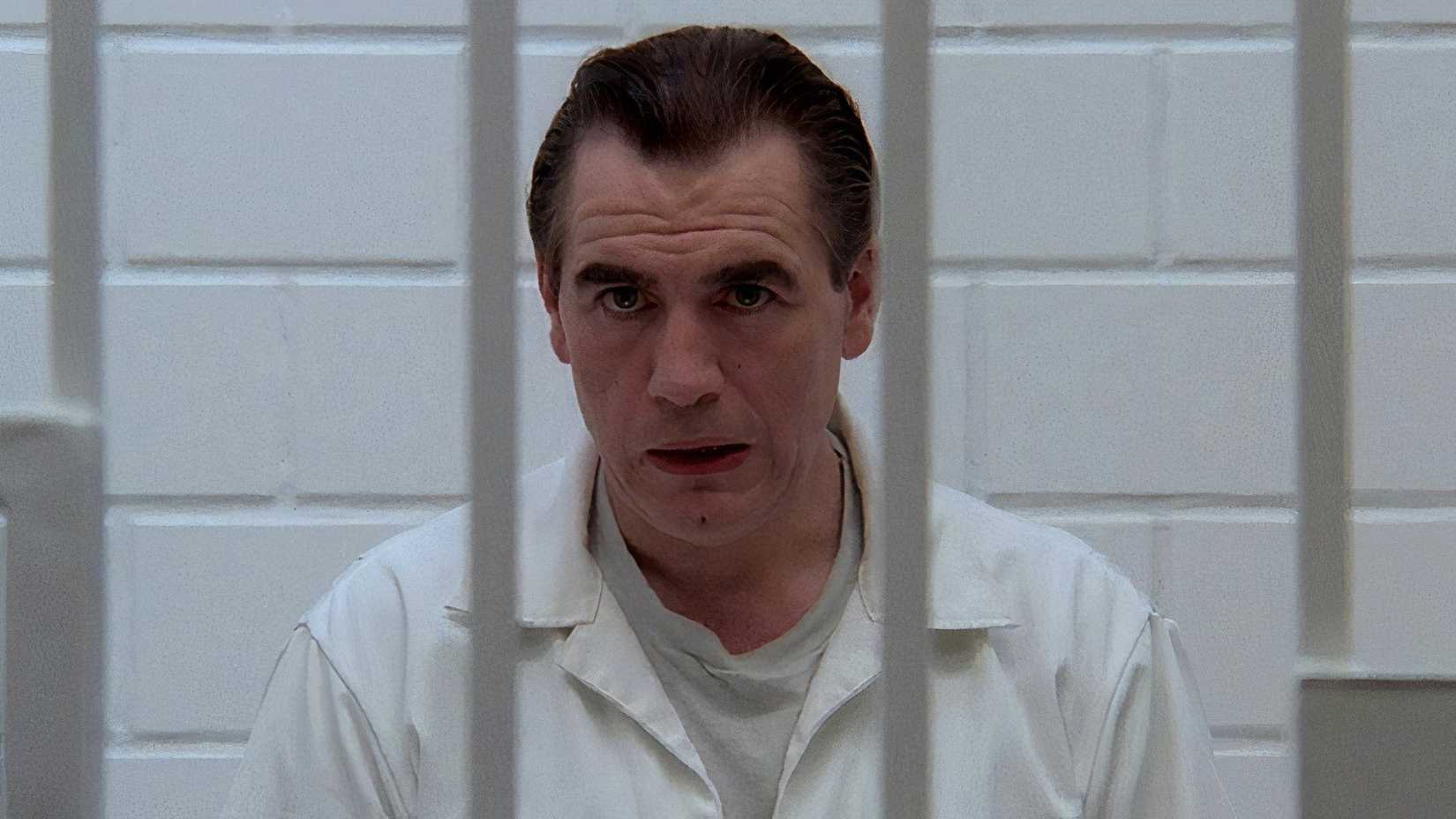
Brian Cox deserves considerable credit for being the first actor to portray Hannibal Lecter on screen. In Michael Mann's Manhunter, however, the character is called Hannibal Lecktor, and his brief appearance offers a markedly different interpretation from the performances that followed.
Adapted from Thomas Harris' Red Dragon, the film depicts former FBI profiler Will Graham (William Petersen), who returns to investigative work to track down serial killer Francis Dollarhyde (Tom Noonan). Graham consults the imprisoned Lecktor, whose intelligence makes him a valuable but dangerous source of information.
Cox deliberately avoids the theatrical eccentricity that would become associated with Lecter. His Lecktor is understated, conversational, and unsettlingly ordinary in appearance. The danger comes from his intelligence and ability to read people rather than from elaborate displays of madness.
That approach makes the prison conversations particularly effective. Cox doesn't need to dominate every moment with grand gestures; he conveys the impression of a man who can manipulate a conversation while appearing perfectly composed.
His limited screen time is an important consideration when comparing the different actors. Manhunter focuses primarily on Graham's investigation and Dollarhyde's crimes, leaving Lecktor in a supporting role. Cox therefore has fewer opportunities to explore the character than later performers.
Nevertheless, his restraint makes the portrayal fascinating in its own right. Cox demonstrates that Lecter can be frightening without becoming flamboyant, establishing a foundation for the character's subsequent screen incarnations.
Mads Mikkelsen
Hannibal (2013–2015)

Mads Mikkelsen's Hannibal Lecter benefits enormously from being the central character of NBC's Hannibal. Across three seasons, the series explores his relationship with FBI profiler Will Graham (Hugh Dancy), presenting the psychiatrist as an elegant, cultivated man whose professional respectability conceals his identity as a serial killer and cannibal.
Unlike the film portrayals, Mikkelsen's Lecter initially operates outside prison walls. He treats patients, advises investigators, prepares elaborate meals, and cultivates relationships with people who have no idea what he really is. His sophisticated lifestyle becomes part of his camouflage.
Mikkelsen's performance is built around controlled movements, precise speech, and a quietly intimidating presence. He rarely needs to raise his voice to establish dominance. Instead, he makes ordinary conversations feel dangerous because Lecter is constantly assessing the people around him.
The relationship with Will is the series' greatest asset. Lecter recognizes Graham's unusual capacity for empathy with murderers and attempts to manipulate that ability, creating an increasingly intimate psychological battle. Mikkelsen's charm makes the manipulation believable, even as the audience sees the horrifying consequences of his actions.
The Hannibal series also gives Lecter's culinary interests and artistic sensibilities an elaborate visual treatment, making his disturbing behavior part of an unsettlingly beautiful world.
Although Hannibal ended after three seasons, Mikkelsen's performance stands as a formidable alternative to the film portrayals. He doesn't imitate Anthony Hopkins; he develops a distinct interpretation suited to a longer, more psychologically intricate story.
Anthony Hopkins
The Silence Of The Lambs (1991), Hannibal (2001), Red Dragon (2002)

Anthony Hopkins remains the definitive screen Hannibal Lecter, thanks to a performance that combines impeccable manners with an almost playful cruelty. His first appearance in Jonathan Demme's The Silence of the Lambs is particularly remarkable given how little screen time he receives.
As FBI trainee Clarice Starling (Jodie Foster) seeks his help in catching serial killer Buffalo Bill, Lecter turns their interviews into psychological contests. Hopkins makes every exchange feel dangerous, whether Lecter is dissecting Clarice's personal history or calmly observing her reactions from behind the glass of his cell.
His most effective weapon is restraint. The fixed stare, precise diction, and unnervingly still posture make Lecter feel as though he is studying everyone around him for weaknesses. When he finally displays open aggression, the contrast is terrifying.
Hopkins won the Academy Award for Best Actor for The Silence of the Lambs, despite appearing on-screen for only around 16 minutes. The film also won Best Picture, Director, Actress, and Adapted Screenplay, an extraordinary achievement for a psychological thriller.
Hopkins reprised the role in Hannibal (2001), which follows Lecter years after his escape, and Red Dragon (2002), a retelling of the investigation previously adapted in Manhunter. The sequels provide more opportunities to explore his appetite for manipulation and violence, although neither matches the original film's impact.
What distinguishes Hopkins is his ability to make Lecter simultaneously charming, intelligent, and genuinely frightening. He created an unforgettable cinematic presence without sacrificing the character's sophistication, making his performance the benchmark against which every subsequent Hannibal Lecter is judged.

- TV Show(s)
- Hannibal, Clarice
- First Film
- Manhunter
- First TV Show
- Hannibal
- Cast
- Brian Cox, Anthony Hopkins, Jodie Foster, Julianne Moore, William Petersen, Scott Glenn, Laurence Fishburne, Hugh Dancy, Ted Levine, Stephen Lang, Lara Jean Chorostecki
- Created by
- Thomas Harris
- Character(s)
- Hannibal Lecter, Clarice Starling, Will Graham, Jack Crawford, Frederick Chilton, Buffalo Bill, Freddy Lounds, Alana Bloom
KioskNews shows a cleaned-up reading view extracted from the publisher’s page — the original always lives on their site, not ours.