News24 | Reserve Bank hikes rate as fuel prices keep up inflation pressure
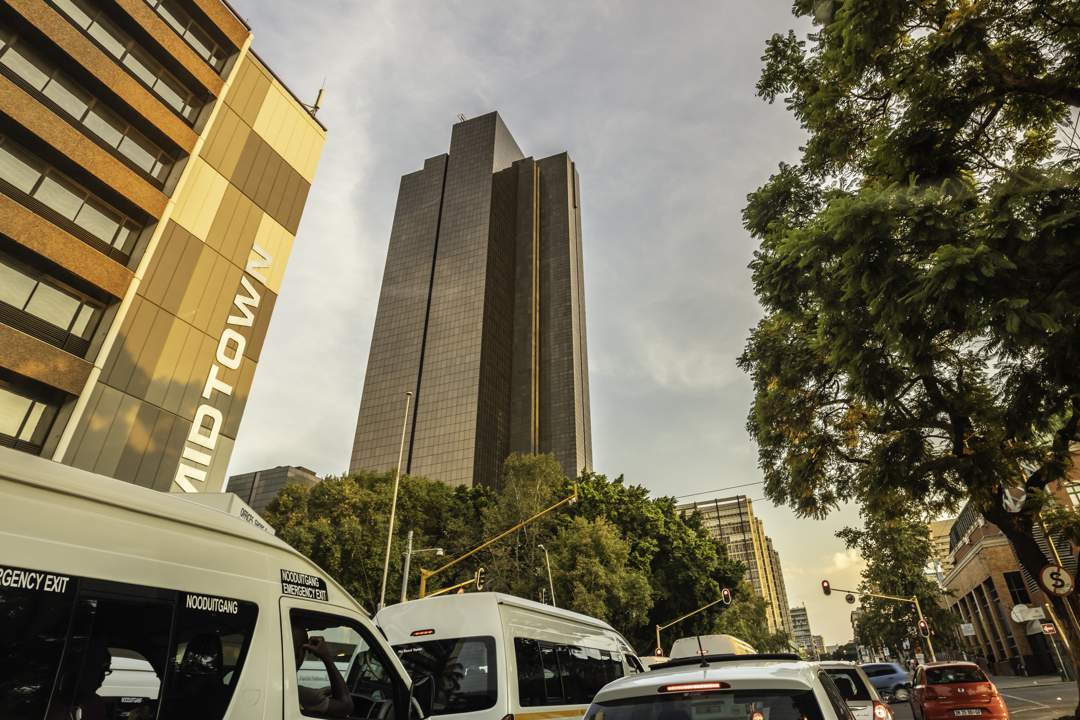
The SA Reserve Bank building in Pretoria.
TheGift777/Getty Images
- For more financial news, visit News24 Business.
Following a surprise hold in July, the SA Reserve Bank (SARB) on Wednesday pulled the trigger on the second interest rate hike for 2026.
The 25-basis-point increase brings the central bank’s policy rate to 7.25%, raising its prime interest rate to 10.75%.
The six members of the monetary policy committee (MPC) were unanimous in the call.
The bank’s quarterly projection model does not predict another interest rate increase for 2026. However, up to four rate cuts (totalling one percentage point) are still predicted up to the end of 2028, possibly even three in 2027.
Citing the risk of second-round inflation, Governor Lesetja Kganyago expressed concern about the increase in services inflation, which is a second-round effect.
He said global “shocks are multiplying” and “the world economy is not in a healthy space”.
“The global shocks are clearly hitting our economy.”
Because of higher fuel prices, the MPC increased its expectation for inflation, saying it would probably increase to above 5% later this year and early in 2027. It should fall back to 3% by the end of next year.
“We have taken a measured approach to rate setting, in conditions of high uncertainty, but we remain focused on our price-stability mandate. It is crucial that inflation reverts to 3% as the current shock fades, and we take responsibility for delivering that outcome.”
Kganyago added: “Our approach is to look through the initial effects of price shocks, while ensuring that they do not entrench higher inflation. Unfortunately, large and sustained shocks, like those we are experiencing now, are more likely to trigger second-round effects, where individual price changes evolve into widespread increases. To prevent this, we are adopting a more restrictive monetary policy, with rates above longer-term levels.”
On the upside, the rand has been “notably resilient”, and food price inflation remains at its lowest since 2010. However, the expected El Niño remains a risk for food price inflation.
Statistics SA announced that August’s inflation rate increased marginally to 4.4%, from 4.3% in July, and food and non-alcoholic beverages inflation increased to 1.1%.
Despite an easing in long-term inflation expectations, they remain a percentage point above the Reserve Bank’s 3% target.
“As the MPC, our primary role is to protect the value of the currency by getting inflation back to 3% over time. We will act as needed to achieve this goal.”
Impact on households
The repayment on a R2 million bond paid off at prime over 20 years will increase by about R337 to R20 305.
All debt will pegged to the prime interest rate will become more expensive, including repayments on vehicles and other assets, on credit cards, and on personal loans.
Consumers also face fuel price increases of up to R3 per litre in the first week of October.
KioskNews shows a cleaned-up reading view extracted from the publisher’s page — the original always lives on their site, not ours.