Lord of the Rings’ Greatest Battle Stands Above the Rest of the Franchise

Michael John Petty is a Senior Author for Collider who spends his days writing, in fellowship with his local church, and enjoying each new day with his wonderful wife and precious daughters. At Collider, he writes features, reviews, recaps, interviews, and breaking news on select occasion. In addition to writing about stories, Michael has told a few of his own, from supernatural thrillers to historical fiction. His Western short story, The Devil's Left Hand, received the Spur Award for "Best Western Short Fiction" in 2025 from the Western Writers of America, of which he is a member. Michael currently resides in North Idaho with his growing family.
When it comes to Peter Jackson’s The Lord of the Rings trilogy, you can’t really go wrong. The high-fantasy epic masterfully brings the world of Middle-earth to life, from the costuming to the casting to, yes, the battles. But which battle for the West is the greatest? There’s no real wrong answer to this question, though most settle for either "The Battle of Pelennor Fields" from The Return of the King or "The Battle of Helm’s Deep" from The Two Towers. While neither is a wrong choice (indeed, there are strong arguments in favor of both), we'd like to suggest that the latter is the greatest of the trilogy — not that this will come as a surprise.
The Battle of Helm's Deep Is the Crown Jewel of 'The Two Towers'
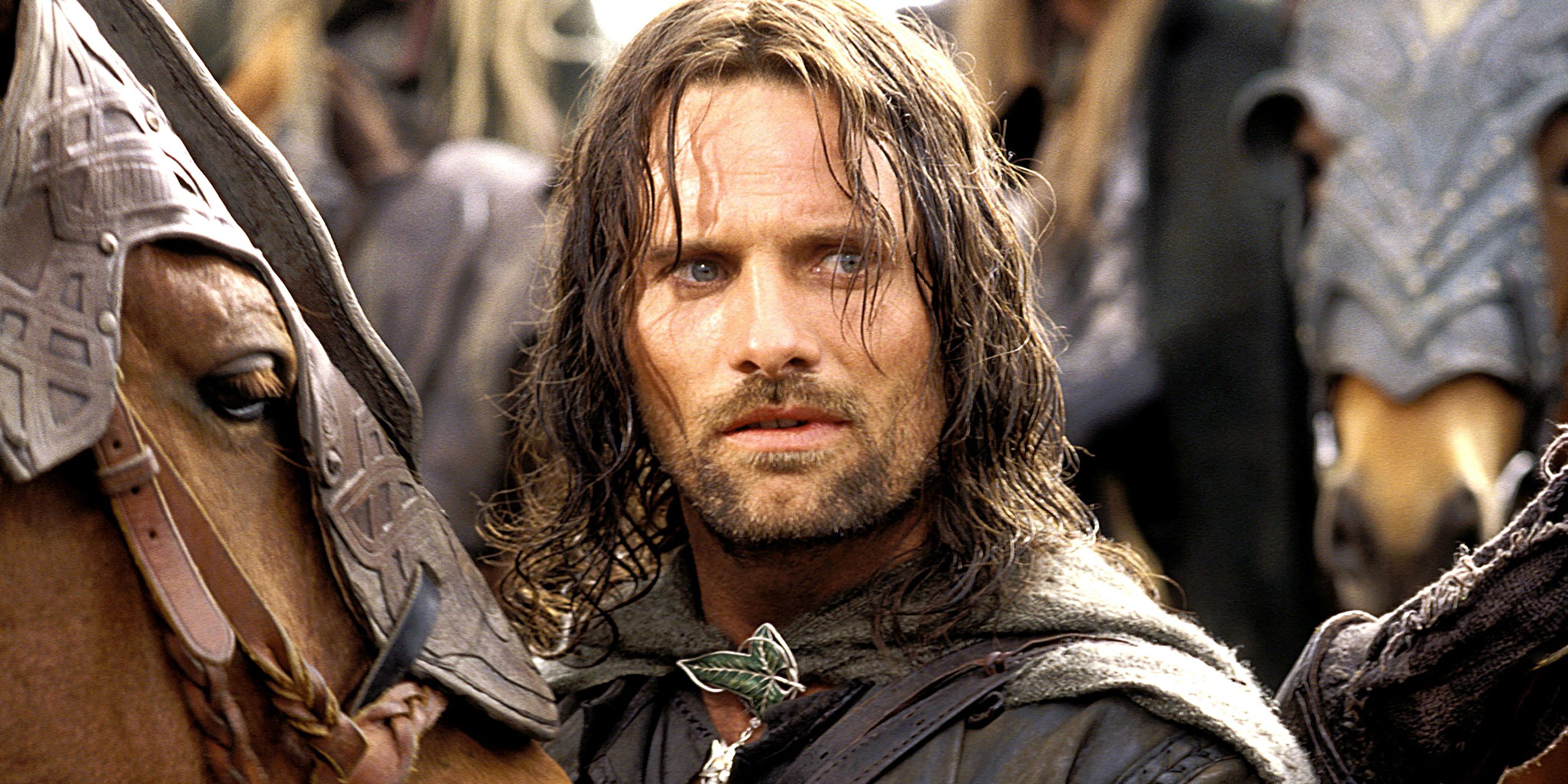
Of course, from a visual perspective, "The Battle is Helm's Deep" (alternatively called "The Battle of the Hornburg") is simply masterful. It captures the viewer’s full attention without relying on dated CGI to do the heavy lifting, purposely depicting a physical clash between opposing armies that feels both intimate and tangible — no wonder it's the largest battle sequence put to film. The Two Towers climaxes with this military conflict after the people of Rohan retreat to their stronghold, as the surviving men of Rohan, as well as Aragorn (Viggo Mortensen), Legolas (Orlando Bloom), and Gimli (John Rhys-Davies), fight against all odds to defend their people from complete annihilation at Saurman's (Christopher Lee) hand. Even with the help of the Elves — who, contrary to the books, arrive to give Men aid — the Uruk-hai soon invade the fortress and the women and children are sent into the innermost depths of the stronghold.
But just because the battle takes place at night doesn't mean it’s difficult to see, either. The picture's breathtaking lighting famously illuminates everything the audience needs to see, blending the visuals effortlessly with Howard Shore's triumphant score. It's in this blue-tinted lighting that we feel the true hopelessness and desperation that sweeps over the hearts of all those involved. When juxtaposed with Frodo (Elijah Wood) and Sam's (Sean Astin) parallel journey, it solidifies the despair of the Fellowship as it begins to feel that Sauron may just win. With the Fellowship fractured and the forces of evil amassed, it appears that darkness may just prevail after all. Instead, The Two Towers concludes with one of the greatest movie battles ever put to the screen. Whichever Lord of the Rings battle you prefer, there's a reason this one sticks out so strongly.
'The Lord of the Rings' Excels In Bringing Epic Fantasy Battles to the Screen
Although it is done differently on screen than author J.R.R. Tolkien penned in his novel — aside from the inclusion of the Elves, Rohan's numbers are stripped down to 300, perhaps in reference to the biblical story of Gideon — there is no doubt that this sequence is one of the most rousing moments in the entire trilogy. Aragorn chooses, in the face of death, danger, tragedy, and loss, to live in hope, to ride out in one heroic final effort to take the fight to Saruman so that good might prevail. It reminds us that even as evil overpowers the world around us, hope may abound. This coincides with the almost divine arrival of Gandalf (Ian McKellen) — once more referencing the messianic attributes of the character — who returns with Éomer (Karl Urban) and the Rohirrim to bring aid to Théoden (Bernard Hill) and his men as they make their final stand.
The Lord of the Rings never had any trouble showcasing the intensity and true horrors of Middle-earth. The Return of the King holds itself to a high standard with "The Battle of Pelennor Fields," as well, though it is perhaps less artistically innovative as Jackson's take on "Helms Deep" here. If we were to pick one sequence from The Lord of the Rings to revisit again and again, this would be it.
The Lord of the Rings: The Two Towers is available for streaming on HBO Max.
KioskNews shows a cleaned-up reading view extracted from the publisher’s page — the original always lives on their site, not ours.