Soaring energy prices see inflation rise to highest level since March
Inflation rose to 2.9% in July amid higher energy prices and fears the summer’s heatwave could start putting pressure on food costs.
In figures announced today, Consumer Prices Index (CPI) inflation has risen to 2.9% per cent in July, up from a 15-month low of 2.6 per cent in June.
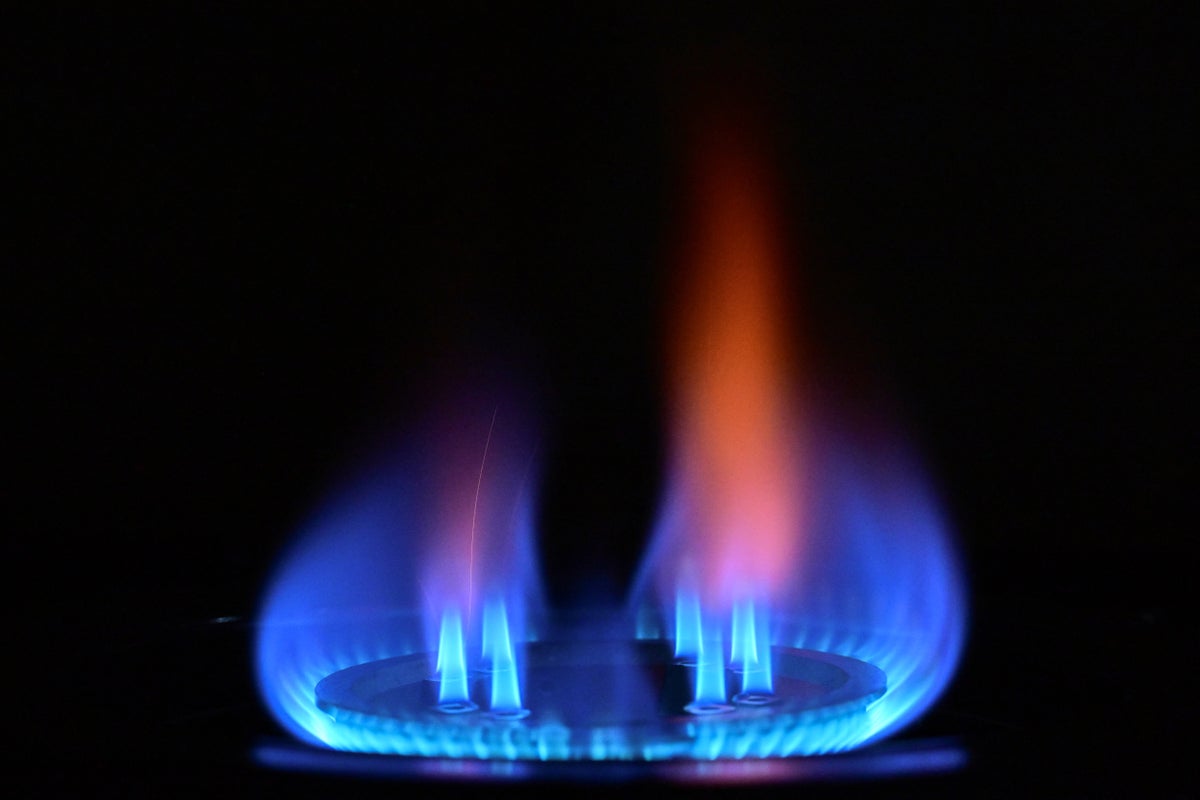
The rise in inflation follows the 13 per cent hike in Ofgem’s energy price cap last month, which saw the average gas and electricity bill increase by £221 to £1,862 a year.
That hike in energy bills has contributed significantly to the rise, as shown by core inflation - which strips out energy and food costs - remaining locked at 2.6 per cent, unchanged from June. But with no end in sight to Donald Trump’s war on Iran, households can expect to continue to feel the squeeze.
The government’s Great British Summer Savings Scheme, which cuts prices on family attractions and children’s meals thanks to a VAT reduction until September, may have helped mediate rising inflation – but not enough to prevent it moving further away from the Bank of England’s 2 per cent target.
There are also concerns over food inflation, with producers warning earlier this week that soaring temperatures and droughts across the UK and Europe are set to drive prices higher.
ONS deputy director for prices Mike Hardie said: “Inflation rose in July, driven by a sharp increase in gas prices following this month’s change to the energy price cap. This was the largest rise in gas prices for almost four years.
“Other upward pressures included furniture prices falling by less than usual for this time of year, and also a smaller fall for clothing prices due to reduced discounting.
“The prices of raw materials and goods leaving factories slowed again, driven by a drop in the prices of crude oil and refined petroleum respectively.”
In response to the figures, The Food and Drink Federation said “fruit, vegetable and grain supply” are being hit by recent heatwaves, with crop shortages set to feed in to supermarket prices.
Economists from the trade group suggested that this will put upward pressure on food inflation going into 2027.
Kevin Brown, savings expert at Scottish Friendly, cautioned households that more could be yet to come when it comes to their grocery shopping.
“Energy may only be exerting part of the pinch this autumn. Expensive fuel and fertiliser are adding pressure to food production and supply chains, while an exceptionally hot summer raises another threat to harvests,” he said. “As a result, families may continue to feel the inflationary fallout from this at the till as well as through their utility bills.”
Jonathan Raymond, investment manager at Quilter Cheviot, similarly noted the expectation remains that wider inflation figures remain elevated across the board until this year.
“A renewed spike in inflation has been expected as the war in the Middle East continues to navigate a clunky ceasefire,” he said. “Things remain far from normal in the Strait of Hormuz and look unlikely to be resolved any time soon, meaning pressure is likely to remain on prices for the remainder of the year at least.
“That said, inflation is expected to moderate in the coming months as government activities begin to take effect on the headline number. Cuts to VAT on energy bills and discounted leisure and hospitality offerings will begin to feed through in official numbers.”
However, despite inflation remaining well above the Bank of England’s two per cent target, few analysts currently expect this level of inflation to strong-arm the BoE’s Monetary Policy Committee into raising interest rates.
With unemployment still close to 5 per cent and job vacancies at five-year low levels, the UK is “better placed than most developed economies to avoid second-round inflation effects,” said David Rees, head of global economics at Schroders.
Yael Selfin, chief economist at KPMG, said that inflation was likely to continue an upward curve to reach a peak of about 3.5 per cent by year’s end, though with the caveat that “the outlook remains highly dependent on how the conflict in Iran evolves and its impact on global energy prices.”
Meanwhile, business leaders urged Andy Burnham’s government to do more to support firms in the lead-up to the Budget.
“Just as it adds to the cost of living, rising inflation pushes up the cost of doing business. Ministers should act now to bolster business confidence as the fallout from the Iran war, a spike in energy prices and higher costs of employment are holding back firms across the capital and beyond,” said Matthew Fell of BusinessLDN.
“Making good on a manifesto commitment to overhaul business rates, postponing the introduction of a new levy that will make housebuilding more expensive, and ensuring the proceeds of any new overnight visitor levy for London are used to support growth would all help to put the economy on a surer footing.”
KioskNews shows a cleaned-up reading view extracted from the publisher’s page — the original always lives on their site, not ours.