Pangasinan improves in food, health, other UN development goals
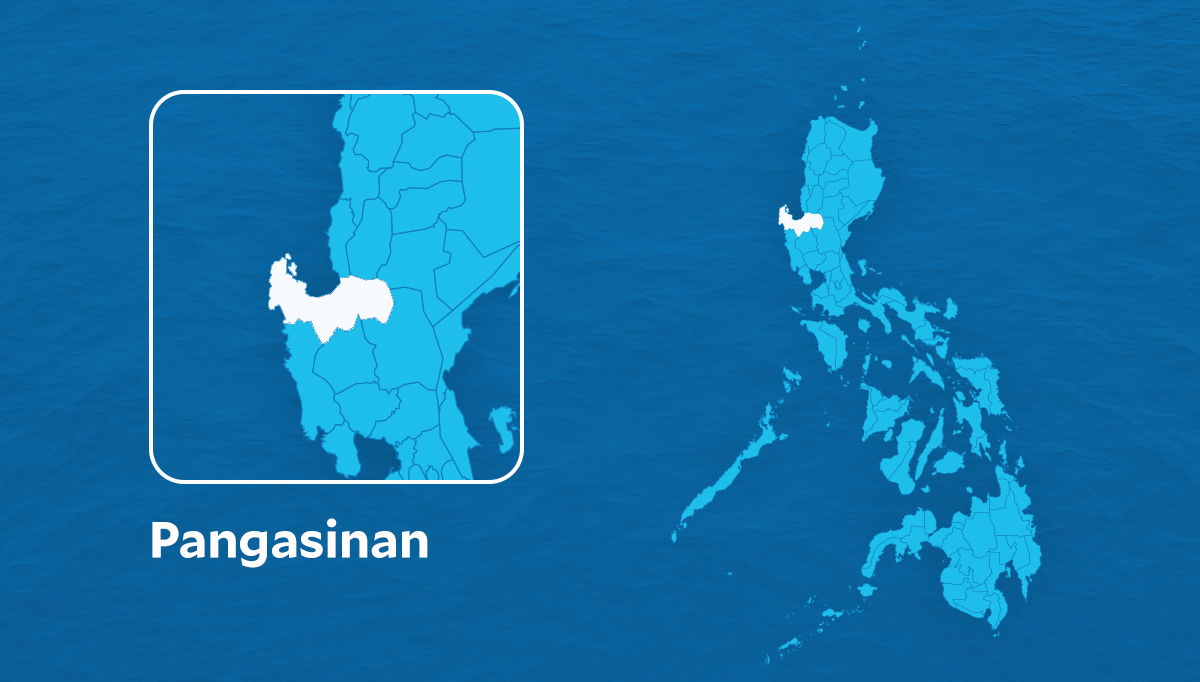

LINGAYEN, Pangasinan – By implementing programs and projects aligned with the United Nations Sustainable Development Goals (SDGs), the Pangasinan provincial government raised its SDG score from 50 in 2019 to 89 in 2024, out of a targeted score of 102.
This was the main finding of the Pangasinan SDGs Report, a study conducted by researchers from the Pangasinan Polytechnic College (PPC) under the SDGs Localization Research Project of the Center for Pangasinan Studies (CPS).
READ: Philippines shows stronger progress in SDGs
Article continues after this advertisement
The study documented improvements in food and nutrition, health, education, environment, and finance and justice, said Professor Raymundo D. Rovillos, PPC President Emeritus and adviser of the CPS Project.
FEATURED STORIES
NEWSINFO
NEWSINFO
NEWSINFO
“In five years, the province moved from relief to systems — from safety nets to ladders of opportunity,” said Nicanor D. Germono Jr., lead researcher
The report cites the Guicosina Feeding Program, which reached more than 270,000 people in 332 barangays in 2024, exceeding the 24,000 reached by supplemental feeding in 2019.
The Kadiwa ng Kapitolyo sales reached ₱9.18 million for 1,085 farmers and small businesses, the report said.
On health, the province set up a Province-wide Health System under the Universal Health Care Law. Provincial hospitals added 13 hemodialysis machines, 23 ventilators, MRI and laparoscopy services.
Article continues after this advertisement
The provincial government also improved education, establishing the Pangasinan-owned polytechnic campus, a tuition-free school that awarded scholarships to more than 1,800 students.
On the environment, the report noted an increase in mangrove seedlings planted: it doubled to almost 239,000 from 109,000. Under the Green Canopy Project, the provincial government planted almost 300,000 native and fruit-bearing trees in different towns.
Article continues after this advertisement
On finances and justice, provincial revenue rose by 57 percent, from ₱3.59 billion to ₱5.65 billion. The provincial jail population fell 29 percent.
The team presented the report on October 19 at the 2026 SDGs Localization Conference before provincial officials, higher education institutions, local government units, and development partners.
Rovillos said the study credits much of the shift to the creation of permanent institutions under the administration of Governor Ramon V. Guico III.
READ: 17 Sustainable Development Goals: Where are we at?
Your subscription could not be saved. Please try again.
Your subscription has been successful.
The 17 SDGs, adopted by UN member states in 2015, aim to end poverty, protect the planet, and improve lives by 2030. Local governments deliver most of the services behind these goals, such as health care, agricultural support, social welfare, and environmental protection./coa
KioskNews shows a cleaned-up reading view extracted from the publisher’s page — the original always lives on their site, not ours.