Kagan, Soai win Nobel Chemistry Prize for solving chemical asymmetry puzzle
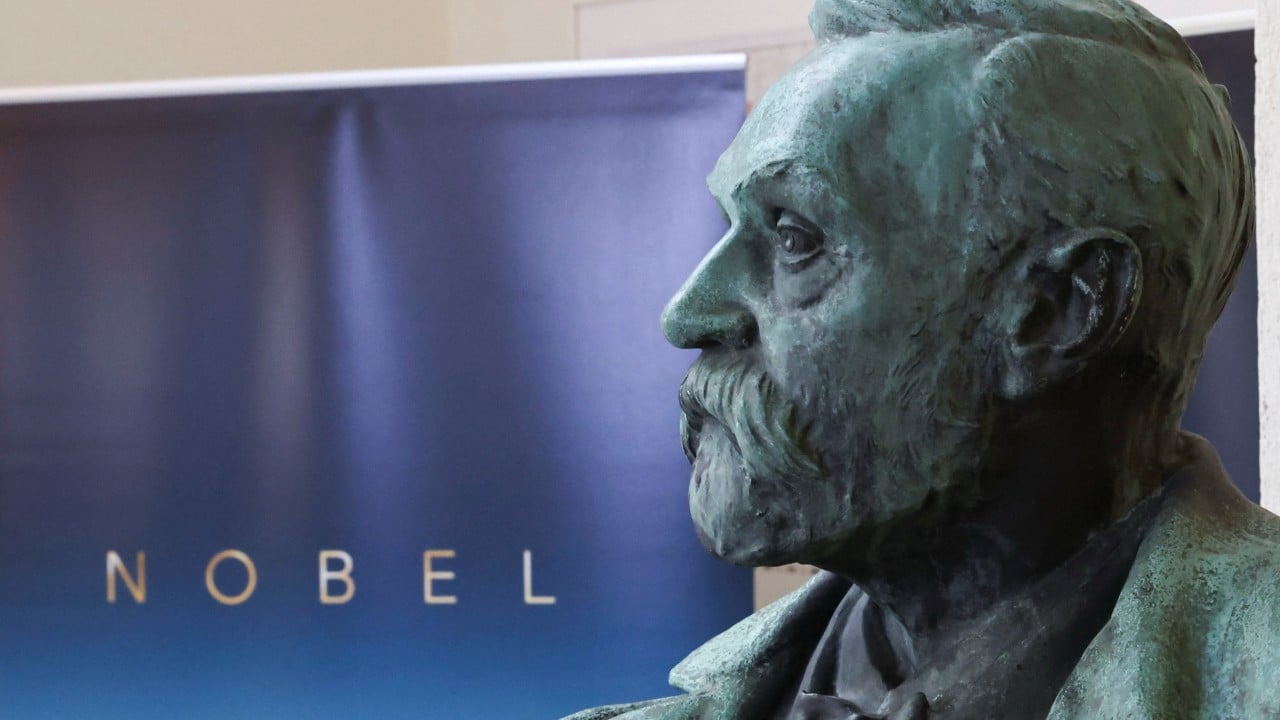
The 2026 Nobel Prize in Chemistry has been awarded to Henri B. Kagan and Kenso Soai for their discovery of non-linear effects and autocatalysis in asymmetric organic synthesis.
The award, announced by the Royal Swedish Academy of Sciences in Stockholm, is the third of six Nobel awards to be handed out this year.
Earlier this week, German researchers Peter Hegemann and Georg Nagel, together with American Karl Deisseroth, were awarded the Nobel Prize in Physiology or Medicine. The Physics Nobel Prize then went to Belgian-American researcher Francis Halzen.
The chemistry prize will be followed by the Nobel Prize in Literature on Thursday, the Nobel Peace Prize on Friday, and concludes with the economic sciences award on Monday. The economics award is the only Nobel not established in the will of Alfred Nobel, the inventor of dynamite.
Last year, Susumu Kitagawa from Japan, Richard Robson from Australia, and Omar Yaghi from the United States received the Chemistry Prize for their development of metal-organic frameworks.
Each Nobel prize is valued at 12 million Swedish kronor (about US$1.2 million).
KioskNews shows a cleaned-up reading view extracted from the publisher’s page — the original always lives on their site, not ours.