Ilocos region needs P660M to address drought impact
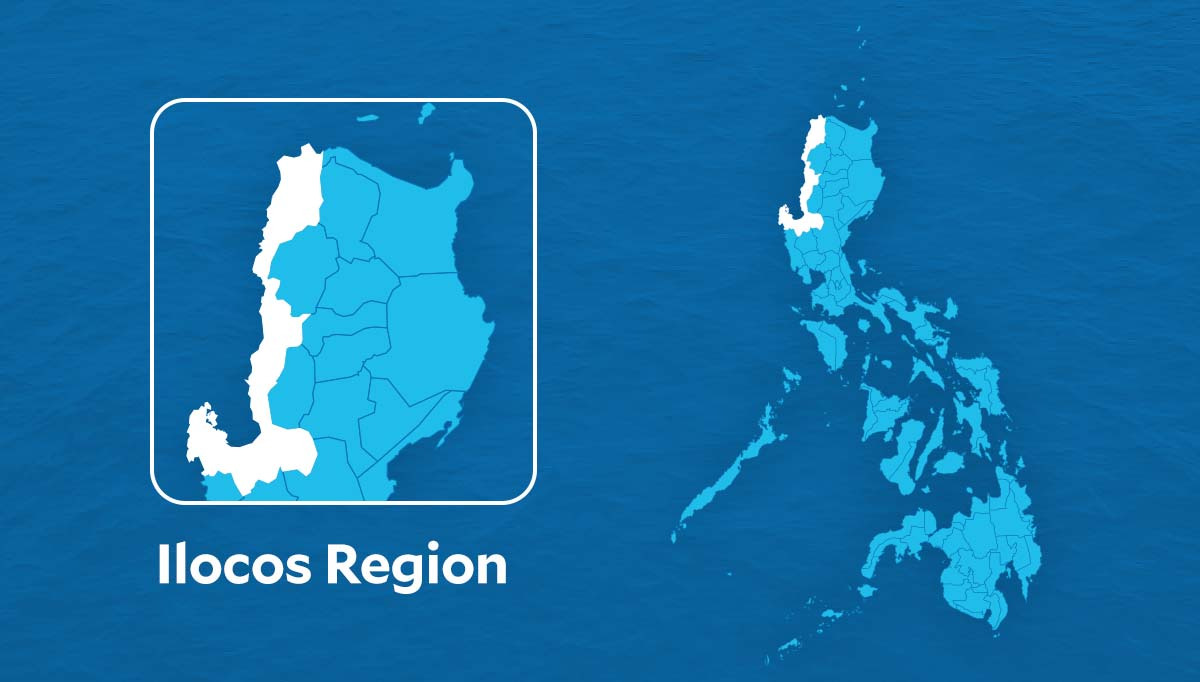

LINGAYEN, PANGASINAN, Philippines — The Ilocos region needs at least P660 million for the rehabilitation of agricultural lands that are vulnerable to the El Niño phenomenon, but a large portion of that proposed allocation remains unfunded, according to the Department of Agriculture (DA).
Agriculturist Julius Briones of the DA Ilocos office said they are still consolidating damage reports from local governments in the region to determine the extent of losses and the interventions needed.
Around 66,111 hectares of agricultural lands in the region would be directly hit by the impact of El Niño, particularly in areas located at the tail end of national and communal irrigation systems, Briones said during the Farmers and Fisherfolk Congress on El Niño preparedness and mitigation on Tuesday.
Article continues after this advertisement
READ: ‘Very strong’ El Niño now active in tropical Pacific, says Pagasa
FEATURED STORIES
NEWSINFO
NEWSINFO
NEWSINFO
Farmers in these areas may have difficulty receiving sufficient irrigation services as prolonged dry conditions reduce water supplies, he said, citing an assessment provided by the National Irrigation Administration (NIA).
Minimizing losses
The vulnerable farmlands are in Pangasinan with 37,274.92 ha; Ilocos Norte, 18,773.92 ha; Ilocos Sur, 7,071.77 ha; and La Union, 2,992.98 ha.
The agency warned that above-normal temperatures and reduced rainfall could result in excessive evaporation, declining soil moisture, increased pest and disease infestations, and reduced crop productivity.
READ: House to agencies: Ensure P6.2-B El Niño aid reaches farmers, fisherfolk
Article continues after this advertisement
To minimize losses, the DA urged farmers to adjust their cropping calendars, observe irrigation schedules and adopt water-saving technologies, including alternate wetting and drying in rice production.
“Farmers in areas with inadequate water supply are also encouraged to consider shifting to drought-tolerant and alternative crops, such as mung beans, peanuts, okra, string beans, cassava and sweet potatoes,” Briones said.
Article continues after this advertisement
The DA said farmers should avoid planting in areas where water supply is insufficient, maximize production in areas less prone to drought, protect vulnerable areas through proper water management, and rehabilitate areas that can no longer sustain production.
The agency is also preparing to distribute hybrid rice and corn seeds, vegetable seeds, legumes, fertilizers and other agricultural inputs. It has allocated about P29 million for buffer stocks of seeds and pesticides under its 2026 funding.
Agriculural damage
Briones said the DA had tallied P257.87 million in agricultural damage in the region in its Oct. 13 bulletin, with rice accounting for the biggest share at P156.41 million, followed by high-value crops at P1.39 million.
The agency is strengthening its disaster response operations by organizing provincial validation teams that will work with local agriculture offices to assess reported damage and ensure timely submission of reports to the DA central office.
It will also regularly monitor water levels, planting schedules and crop conditions, coordinate irrigation water delivery with the NIA, and issue advisories to farmers.
The DA emphasized that El Niño does not necessarily mean a complete absence of water, but warned that prolonged dry conditions could make irrigation supplies insufficient, especially for farms located farthest from water sources.
Your subscription could not be saved. Please try again.
Your subscription has been successful.
It added that the fisheries sector could also suffer from declining dissolved oxygen levels, reduced fish growth and productivity, increased fish mortality, and depletion of water resources, while livestock may experience heat stress, lower productivity and shortages of drinking water and animal feed. /cb
KioskNews shows a cleaned-up reading view extracted from the publisher’s page — the original always lives on their site, not ours.