The 9 Most Atmospheric Fantasy Books of All Time

Diego Pineda has been a devout storyteller his whole life. He has self-published a fantasy novel and a book of short stories, and is actively working on publishing his second novel.
A lifelong fan of watching movies and talking about them endlessly, he writes reviews and analyses on his Instagram page dedicated to cinema, and occasionally on his blog. His favorite filmmakers are Andrei Tarkovsky and Charlie Chaplin. He loves modern Mexican cinema and thinks it's tragically underappreciated.
Other interests of Diego's include reading, gaming, roller coasters, writing reviews on his Letterboxd account (username: DPP_reviews), and going down rabbit holes of whatever topic he's interested in at any given point.
Sign in to your Collider account
Atmosphere is critically important in a fantasy book, where it's vital for whatever kind of magical world the story takes place in to feel like a living, breathing space that can connect with readers emotionally, tonally, and thematically. Many writers throughout history have perfectly understood this, but there are ten particular fantasy masterpieces which can be counted among the most deeply atmospheric in the genre's history.
What makes a fantasy book atmospheric? It's a question that can have a myriad of potentially satisfying answers. On the whole, however, this is a quality all about a strong sense of immersion, an enveloping mood, and a world so carefully crafted that it almost feels truly palpable. From magical realism classics like Pedro Páramo to science fantasy masterpieces like Perdido Street Station, the most atmospheric fantasy books of all time are a testament to how important this aspect of fantasy writing is.
'The Forgotten Beasts of Eld' (1974)
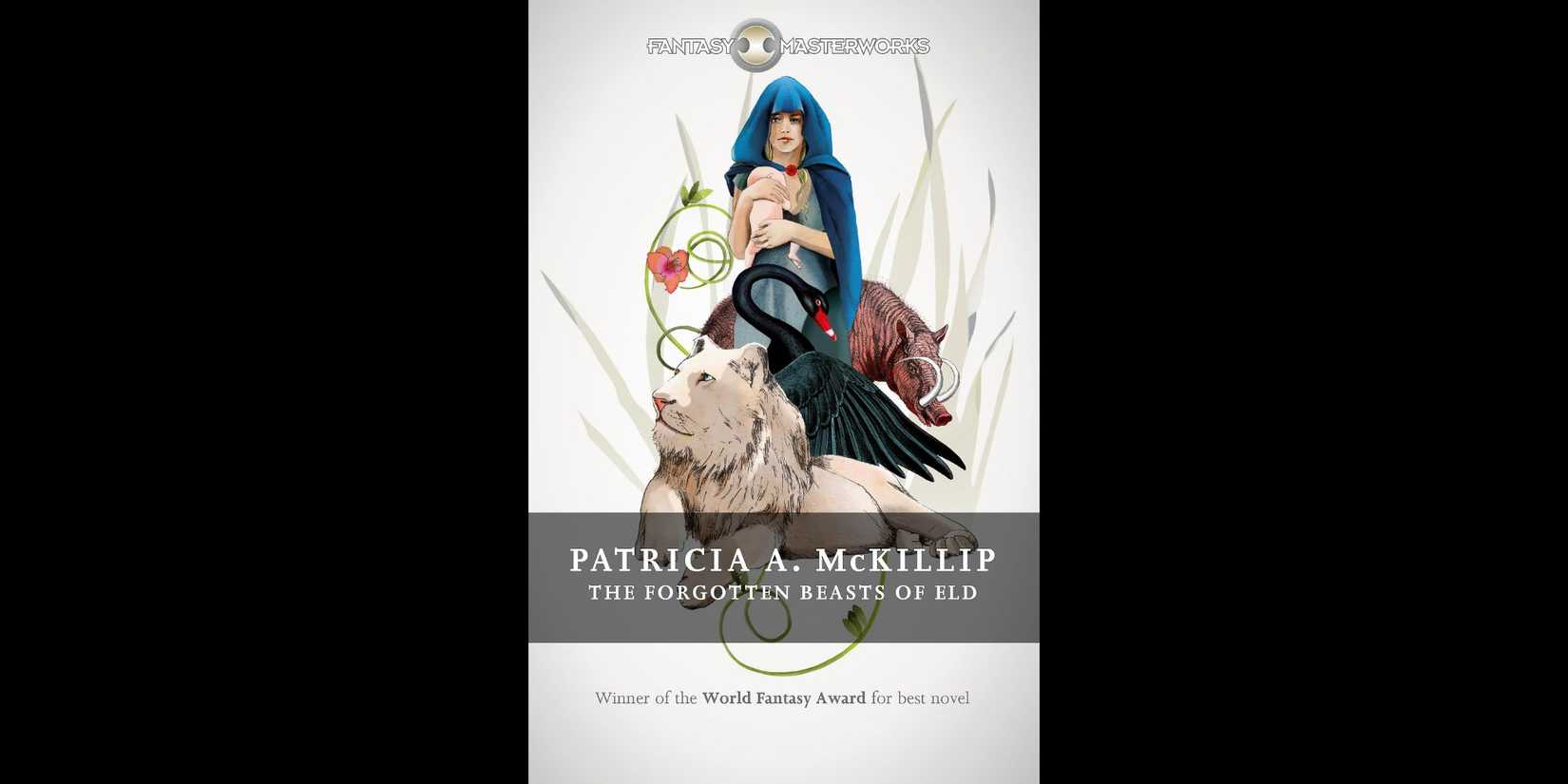
Romantic, subtle, and full of adventure and suspense, Patricia A. McKillip's The Forgotten Beasts of Eld is one of those forgotten high fantasy books that have aged beautifully. Its narrative follows Sybel, an isolated mountain witch living with a menagerie of mythical beasts, who's suddenly forced out of her solitude when she agrees to raise a child tied to a brutal royal war.
The book is often celebrated for its beautifully lush and poetic prose, which makes the whole thing feel like a delectably modern fairy tale. McKillip seems to be in no rush to get through the already-brief length of around 200 pages. Instead, she takes the time to describe every color, smell, and sensation in Sybel's environment, favoring texture and atmosphere over heavy exposition or traditional high fantasy action.
'The Tombs of Atuan' (1970)
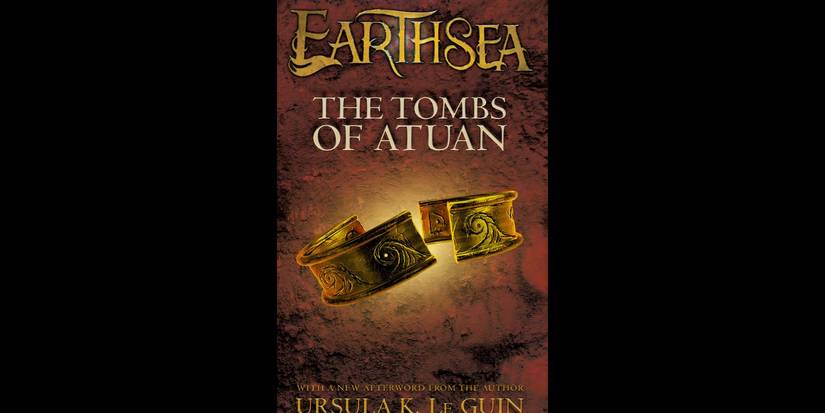
It's no exaggeration of any sort to say that Ursula K. Le Guin is one of the greatest and most influential speculative fiction authors in history. It's also no exaggeration to say that her Earthsea Cycle is one of the most foundational series of fantasy novels in the genre's history. The second installment is The Tombs of Atuan, about the young priestess Arha having to choose between her sacred duty to the gods and her own survival.
It's often A Wizard of Earthsea, the first book in the Cycle, that's praised as Le Guin's magnum opus, but fans of the saga would likely agree that Le Guin never wrote a more engrossingly atmospheric fantasy novel than Tombs of Atuan. With a relatively narrow scope that makes its world feel as claustrophobic as it does magical, Le Guin uses sensory deprivation as such a central plot element of the novel that it inevitably starts affecting the reader's experience incredibly deeply.
'The Bear and the Nightingale' (2017)
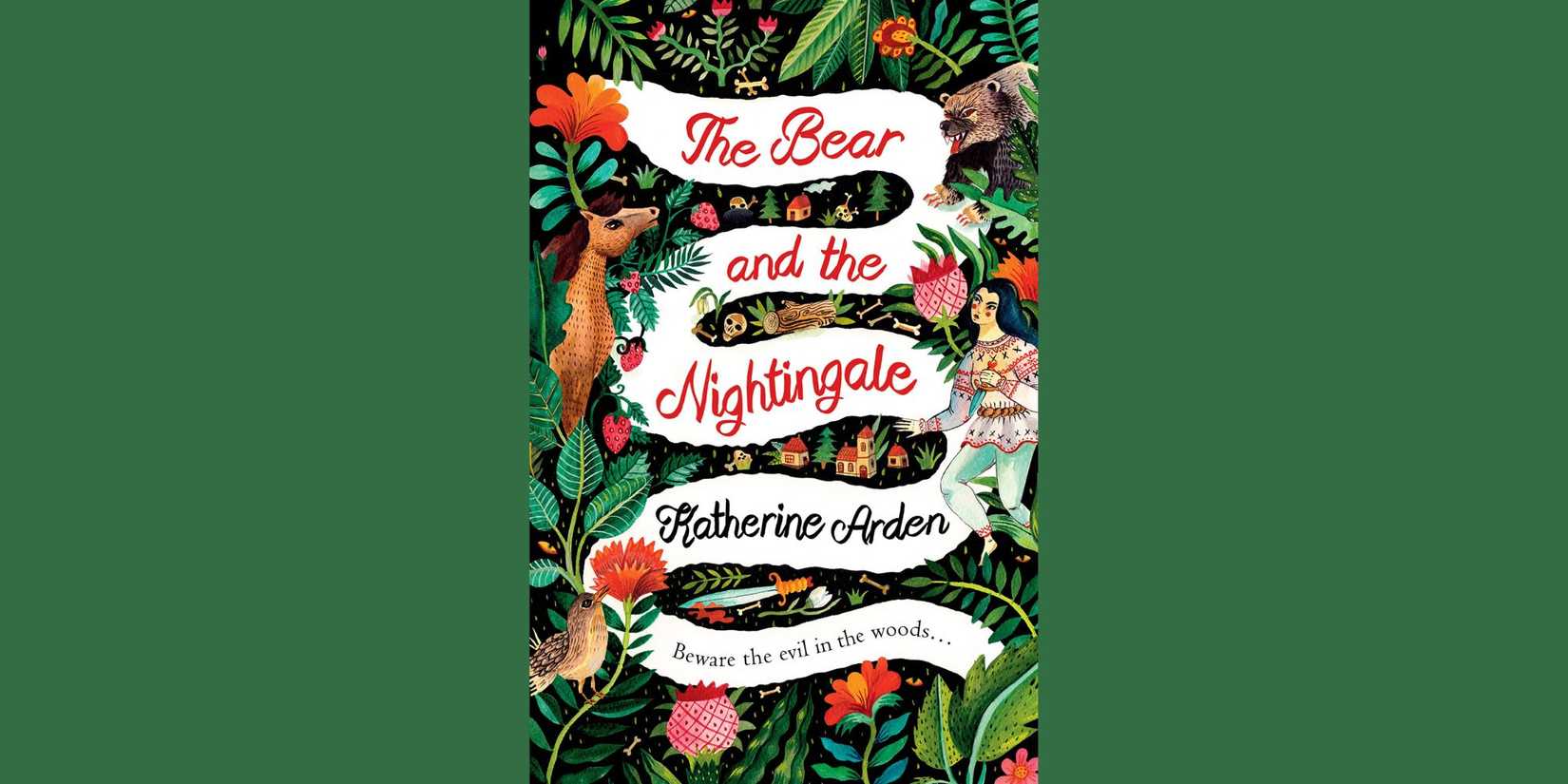
Having completed her diploma in French and Russian literature and being particularly passionate about the latter, Katherine Arden wrote her debut novel, The Bear and the Nightingale, with the specific wish to write a book set in Medieval Russia. Informed by Russian folklore and Slavic mythology, it's the first installment in Arden's Winternight trilogy, and it's about a young girl with the ability to communicate with mythical creatures at a time when Orthodox Christianity is attempting to eradicate belief in such beings.
The Bear and the Nightingale is set in the freezing Russian winter, but the cold here is far more than just a seasonal backdrop. Rather, it's almost a living, nearly palpable entity that creates a sense of sensorial immersion not often seen in this genre. Bolstered by the detailed point of view of our fascinating protagonist, it becomes impossible to not find oneself enraptured by the narrative.
'The Book of the New Sun' (1983)
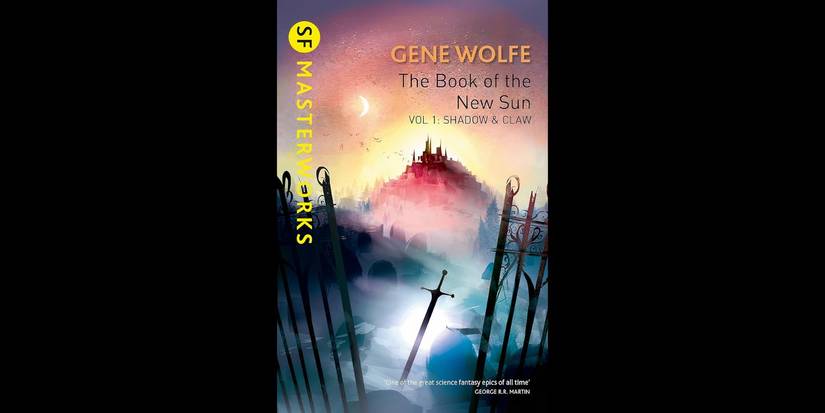
Gene Wolfe's absolutely revolutionary The Book of the New Sun consists of four volumes and a coda, but those five elements are technically all part of a single massive science fantasy epic. The story follows Severian, an exiled apprentice torturer journeying across a decaying future Earth to take up a new post, inadvertently becoming entangled in a path toward imperial rule and the rebirth of a dying Sun.
Widely recognized as one of the best science fantasy books of all time, Book of the New Sun builds an enrapturing atmosphere largely through highly archaic language. It may make the prose challenging to read, but it's all in service of a fascinating narrative that makes it incredibly easy to believe that this is, indeed, a decayed far-future Earth where surrealism and grotesqueness are the order of the day.
'Piranesi' (2020)
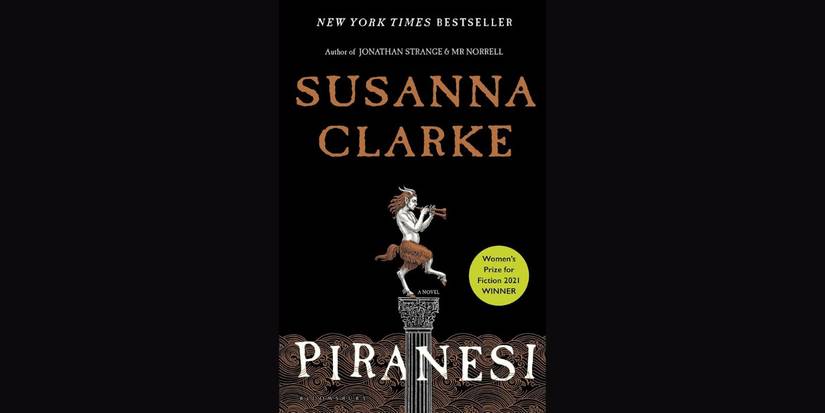
Due to a debilitating chronic illness and the cognitive impairment that came as a result, it took 15 years for Susanna Clarke to finally write Piranesi. Boy, was it worth it. One of the best books published since 2020, this surreal masterpiece follows an amnesiac man living in a seemingly infinite labyrinth. There, he gradually discovers that he was trapped there by a researcher seeking secret knowledge.
Clarke is an absolute master of atmosphere, and people who love the works of artists like David Lynch and Jorge Luis Borges will likely be able to appreciate the wonderful sense of mind-bending poetry with which she crafted Piranesi. The entire story hinges on Clarke being able to sell this space as infinitely vast yet intimately lonely, and saying that she succeeded at that wouldn't even begin to cover the book's award-winning brilliance.
'Perdido Street Station' (2000)
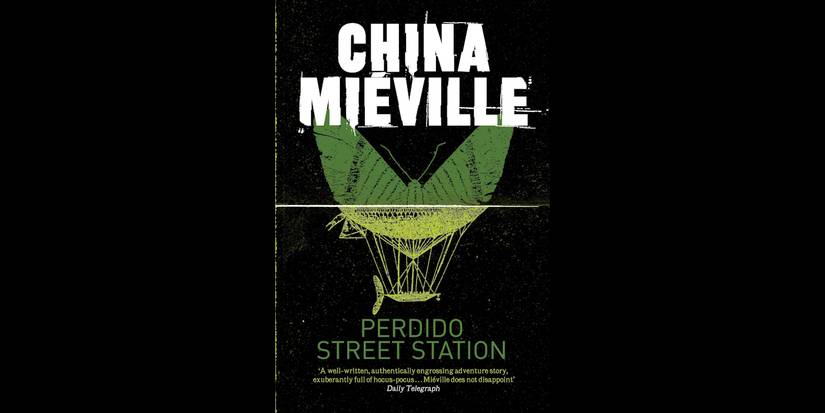
There is perhaps no modern author of weird fiction greater, more important, or more influential than China Miéville; and there is probably no book of his more widely celebrated or iconic than Perdido Street Station. It's the first book in the New Crobuzon series, and it follows a renegade scientist's attempts to help a flightless birdman, which unwittingly hatches vampiric creatures terrorizing the industrial metropolis of New Crobuzon.
On top of being a masterful fantasy novel, it's also one of the best soft sci-fi books of all time; such is the genre-bending magic of modern weird fiction. A pioneer of the New Weird movement, Perdido Street Station is built on a Gothic, overwhelmingly dense, almost nauseating foundation of industrial rot and bureaucratic oppression. It's grotesque, visceral, and can even get nightmarishly scary.
Collider Exclusive · 8 Questions · 2 Minutes What Fantasy World Do You Belong To? Middle-earth · Grand Line · The Continent · Camp Half-Blood
Pick your magic, your crew, where you want to wake up and who you would rather be fighting, and we will tell you which world you actually belong in. Four are open to you: an ancient kingdom living through its last good age, an endless sea full of pirates, a continent that pays people to kill monsters, and a summer camp where the Greek gods are extremely real and mostly a nuisance.
💍Middle-earth(Rings of Power)
👒Grand Line(One Piece)
🐺The Continent(The Witcher)
🔱Camp Half-Blood(Percy Jackson)
01
What kind of power do you want? Every one of these worlds runs on a completely different sort of magic.
02
Who is travelling with you? Nobody gets through any of these stories entirely on their own.
03
Where do you want to wake up tomorrow? The best fantasy is usually just somewhere you would genuinely like to live.
04
How are you making a living out there? Even in fantasy somebody has to pay for the horse.
05
There is something in the woods. What do you do about it? All four of these worlds keep something unpleasant out there in the dark.
06
Who is the villain of your story? The enemy tells you far more about a world than the hero ever does.
07
What do you actually believe in out there? Every world hands its heroes one rule and asks them to hold onto it.
08
A thousand years from now, how are you remembered? Eight questions in, this is the one that decides your world.
The Map Is Drawn Your World Is…
Four worlds and four completely different ideas of what a good life looks like. This is where you belong, what it would ask of you, and what you would get back in return.
Middle-earth
You belong somewhere old enough that the mountains have names and somebody can still tell you who gave them. Middle-earth is for people who think the right thing is worth doing even when it will not be finished in their lifetime.
- This is the only world on the list where doing good is understood as a very long defeat, fought anyway, by people who will never see how it ends.
- You are drawn to grandeur, to white cities and deep forges and the sense that almost everything you touch is older than your entire family line.
- The Rings of Power is set in the last good age before it all goes wrong, which gives every quiet scene in it a slightly unbearable weight.
- You would take the hard road, and you would take it on foot.
The Grand Line
You want the sea, a crew, and absolutely nobody telling you where you are allowed to go. The Grand Line is the world for people whose main ambition in life is finding out what is over there.
- One Piece has run for decades on one very simple engine, which is a group of people who each want something impossible and have decided to go and get it together.
- You collect people. Your ideal crew is a set of misfits who were each written off somewhere else before you turned up and offered them a better idea.
- The world is enormous and deliberately ridiculous, and the emotional gut punches land harder because of that rather than in spite of it.
- You would set sail knowing the map runs out, which is more or less the entire point of it.
The Continent
You would rather be feared and useful than liked and useless. The Continent is a world where the monsters are the straightforward part of the job and the people are where it all gets complicated.
- Witchers get paid to do what nobody else will and resented for existing at all, which is a trade most people would refuse and you would probably accept.
- You have no real illusions about which side is the good one, largely because on the Continent that question tends to have a disappointing answer.
- The best of these stories are not about the fighting. They are about somebody with a rigid code being repeatedly cornered into caring about people.
- You would take the coin, finish the job properly, and be out of town before the story got told wrong.
Camp Half-Blood
You want the myths to be real and loose in the actual world, and you want to find out at about thirteen that you were never anywhere near as ordinary as everybody kept telling you.
- Percy Jackson takes the oldest stories we have and drops them into car parks and diners, which makes the gods considerably funnier and a great deal worse.
- You would be the kid every school gave up on, who turns out to have been built for something nobody thought to test for.
- The series is genuinely about friendship rather than destiny, and it says so out loud every time a prophecy tries to get in the way.
- Camp Half-Blood is the real fantasy here: a place where the thing that made you difficult everywhere else is the thing that makes you belong.
'Pedro Páramo' (1955)
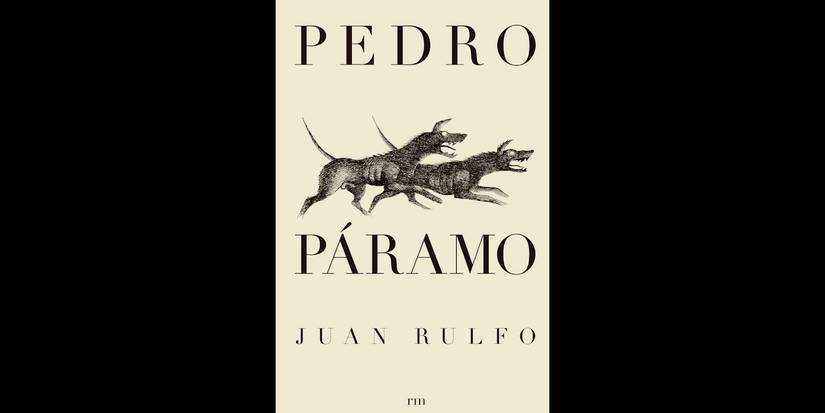
Somewhere around the '60s and '70s, Latin America became one of the major epicenters of world literature with what has since become known as the Latin American Boom. One of the major predecessors of such a movement was Mexican author Juan Rulfo, whose legendary classic Pedro Páramo follows a man traveling to a desolate Mexican town to find the father he never knew, only to discover that the inhabitants are all dead.
It's one of the best magical realism books of all time, as well as one of the most foundational. This Mexican classic is quite short, but Rulfo builds such a hypnotic, desolate, and haunting atmosphere that the book's emotional and intellectual effects end up lasting a lifetime. The town of Comala serves as both a literal and metaphorical purgatory, and Rulfo makes it feel exactly as disorienting and claustrophobic as one might expect.
'Jonathan Strange & Mr Norrell' (2004)
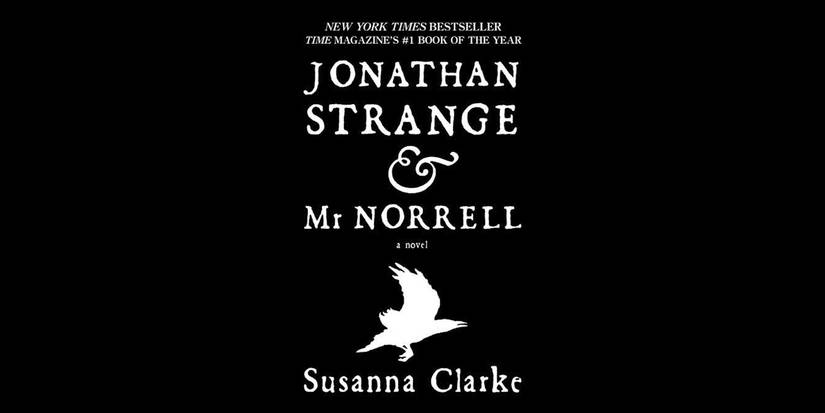
Before she wrote Piranesi, Susanna Clarke made a hell of a name for herself with the Hugo Award winner Jonathan Strange & Mr Norrell, one of the best historical fantasy books of all time. Set in an alternative 19th-century version of England during the Napoleonic Wars, it follows two vastly different men whose bitter professional rivalry quickly spirals out of control.
It's an absolutely hypnotic novel, its magical Regency England setting informed by ten years of exhaustive historical, military, and literary research. As a result, Jonathan Strange & Mr Norrell is one of the most atmospheric debut novels of 21st-century fantasy literature. London feels cold, foggy, and wet; magic is dry and tedious; and the use of scholarly-like footnotes makes it even easier to lose oneself in this mesmerizing world.
'Gormenghast' (1950)
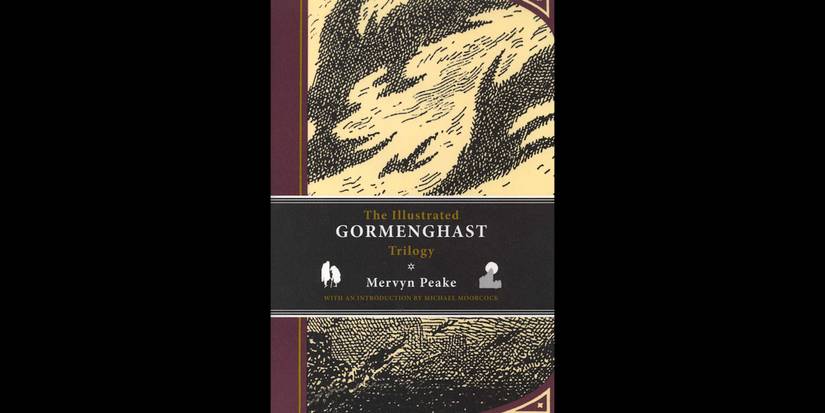
Mervyn Peake is one of the most important and foundational precursors of modern weird fiction, and his Gormenghast series is widely accepted as his magnum opus. The eponymous Gormenghast is the second book in the series, and it follows the rebellious young earl Titus Groan as he fights to break free from his castle's suffocating traditions, while the kitchen boy Steerpoke schemes to overthrow the entire ancient hierarchy.
Rarely has history seen a fantasy author who excelled at crafting an atmosphere this oppressive more than Mervyn Peake. This is fantasy built not on grand quests or intricate magic systems, but rather on a pure focus on atmosphere. Decay, claustrophobia, unpleasant textures, and a study of the very nature of the grotesque all make up the foundations of Gormenghast. It's a book so potently surreal and nightmarish that it's hard to believe it's nearly 80 years old.
KioskNews shows a cleaned-up reading view extracted from the publisher’s page — the original always lives on their site, not ours.