Chase insolvency cases with large ‘haircuts’, ED chief tells officers
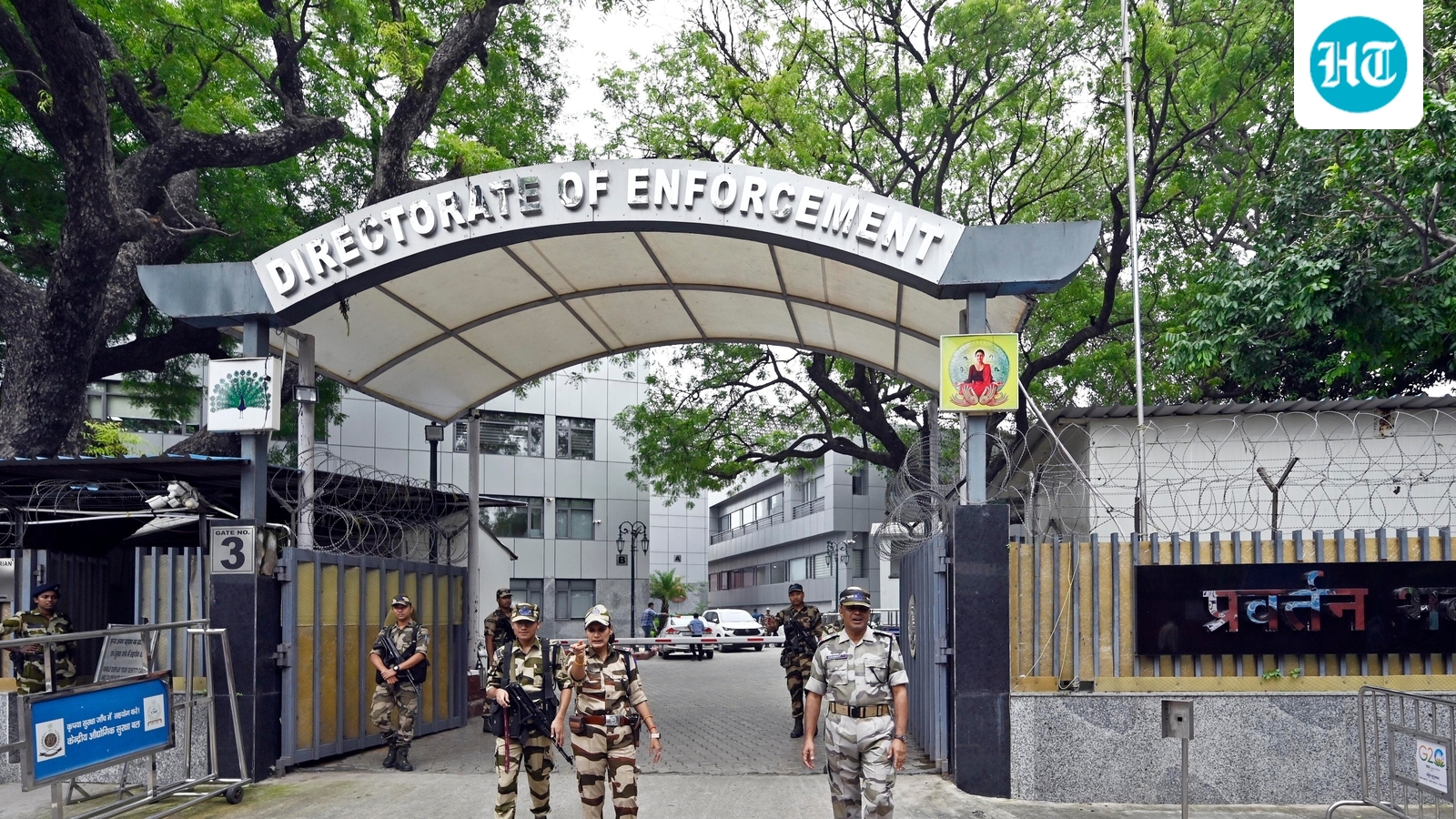
The Enforcement Directorate (ED) chief Rahul Navin has asked all his teams to focus on unearthing frauds in insolvency cases involving disproportionately large “haircuts” through which promoters re-acquire assets, a statement issued by the agency said on Tuesday.
At a two-day quarterly conference of the agency that started Monday, he also asked ED officers to identify red flags and initiate money laundering investigations against “masterminds” in such cases, and raised the issue of state police forces not filing cases on the agency’s references. He recommended the creation of joint teams with state police as well as using the police’s powers under the Bharatiya Nagarik Suraksha Sanhita (BNSS) to attach properties. Navin also ordered a review of ED’s requests related to international cooperation, extradition and fugitive “management”.
The directive on haircuts comes days after a controversy broke out over a National Company Law Tribunal (NCLT) order approving Zee founder Subhash Chandra’s repayment plan of only ₹6.5 crore for loans he gave personal guarantee against admitted claims of ₹22,000 crore. The decision was stayed by a larger NCLT bench. The Central Bureau of Investigation (CBI) has booked Chandra over a mismatch in stated income while standing guarantee for a loan from LIC Housing Finance and during insolvency proceeding after the loan went into default. ED is also set to soon file a case in the matter, according to officials.
Outlining the core operational thrust areas for ED in the coming days, Navin said that the zones should unearth “frauds under the Insolvency and Bankruptcy Code (IBC) and the PMLA (prevention of money laundering act), including re-examination of collusive resolution cases involving disproportionately large haircuts through which promoters re-acquire assets”, the statement said.
A special session on the subject in the conference examined the “interplay between the IBC and the PMLA”.
“The session analysed the legal tension between the moratorium under section 14 (which provides moratorium during proceedings) and the immunity under Section 32A of the IBC on the one hand and attachment powers under the PMLA on the other, and identified recurring malpractices including circumvention of section 29A (defines persons not eligible for resolution plan), inflation of related-party claims, manipulation of the Committee of Creditors (CoC), asset stripping and artificially large haircuts through which promoters regain control of assets,” the ED said.
It further said that illustrative cases were discussed, including one in which intervention by the ED before the National Company Law Tribunal (NCLT) “led to recall of the order initiating the corporate insolvency resolution process”. Detailing action ordered by Navin, the ED statement said: “Zones were directed to identify red flags, obtain copies of applications relating to preferential, undervalued, fraudulent and extortionate transactions from resolution professionals, file intervention applications before the Tribunal, and initiate independent investigations under the PMLA against the masterminds”.
Navin was referring to the February 2026 order by NCLT recalling the Corporate Insolvency Resolution Process (CIRP) initiated against Alchemist group based on ED’s intervention which revealed that the insolvency proceedings were vitiated by fraud, collusion, and malicious intent.
Create joint teams, attach assets using police’s powers under BNSS
The ED director also spoke about the agency’s references (sharing of information) to state police forces seeking to register a predicate offence being ignored sometimes, as has been seen in Kerala and Tamil Nadu in the past.
The agency said “closer coordination with the state police and other law enforcement agencies, including recourse to the attachment and bail provisions of the PMLA against organised criminal elements” was also outlined by ED director.
“The gap in registration of first information reports (FIRs) on references made by the ED under section 66 (2) of the PMLA was discussed…” the ED statement said.
Subsequently, the director recommended considering having “joint special investigation teams” with the state police and using “attachment provisions available to the police under the Bharatiya Nagarik Suraksha Sanhita (BNSS) and under special statutes”, the agency added. Section 107 of the BNSS allows police to attach proceeds of crime in criminal cases for the purpose of compelling the presence of an absconding accused.
The ED chief further asked his teams to focus on fast-tracking of trials, “with identification of at least ten high-profile cases in each region for conclusion of trial and conviction within six to eight months”.
He also ordered a “mandatory valuation of all confirmed attached properties by government-approved valuers, with geo-tagging, within six months, along with taking constructive possession”.
Fugitives: Drive to review requests
In another key decision during the conference, Navin ordered a review of ED’s requests related to international cooperation, extradition and fugitive management”.
“Stress was laid on the quality of drafting and treaty compliance in Letters Rogatory (judicial request) and mutual legal assistance requests, and a drive was announced to review and withdraw obsolete or non-essential requests pending for more than five years,” ED said in its statement.
“A step-by-step protocol for fugitive management was reiterated, running from travel checks through the Bureau of Immigration and Interpol notices to revocation of passports, court proclamations, action under the Fugitive Economic Offenders Act (FEOA) and non-conviction based confiscation under the PMLA, and finally formal extradition or local prosecution, with due regard to the rule of specialty under international treaties,” the agency added.
KioskNews shows a cleaned-up reading view extracted from the publisher’s page — the original always lives on their site, not ours.