Judiciary seeks public input on Sh50.7bn FY2027/28 budget
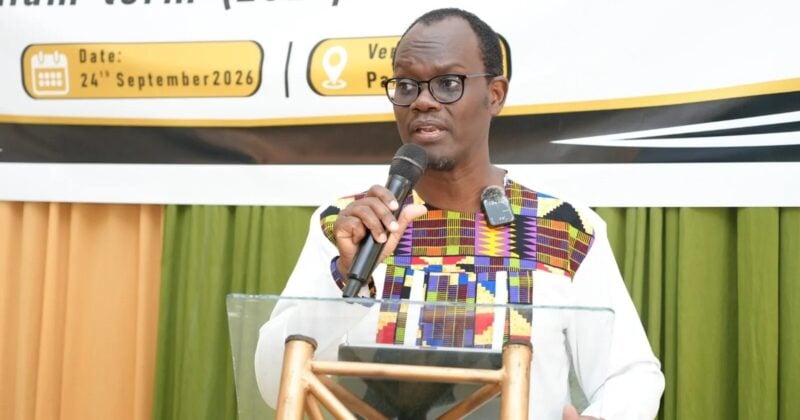
MARSABIT, Kenya, Sep 24 — The Judiciary has begun public consultations on its proposed budget for the 2027/28 financial year, seeking views on priorities aimed at expanding access to justice, reducing case backlogs and improving the quality and timeliness of judicial services.
Speaking during a public hearing in Marsabit, Deputy Chief Registrar of the Judiciary Paul Ndemo said public participation was critical in ensuring budget priorities reflected the justice needs and experiences of Kenyans.
Ndemo said the consultations go beyond fulfilling a constitutional requirement, providing an opportunity for citizens to influence the Judiciary’s priorities and strengthen accountability in the administration of justice.
The Judiciary resolved 576,162 cases against 561,580 new cases filed during the 2025/26 financial year, translating to a 103 per cent case clearance rate.
Technology-driven interventions, including the Urithi Portal and Mahakama Popote initiative, have also supported faster processing of succession matters and enabled 22,516 matters to be resolved through virtual deployment of judicial capacity.
For the 2027/28 financial year, the Judiciary has proposed a budget of Sh50.7 billion against an indicative ceiling of Sh30.4 billion, leaving a financing gap of about Sh20.3 billion based on the figures provided.
The proposed priorities include reducing case backlogs, expanding Alternative Justice Systems and mediation, strengthening election-related dispute resolution, enhancing technology, improving court infrastructure and building human-resource capacity.
Members of the public and justice stakeholders urged the Judiciary to prioritise the expeditious conclusion of cases, completion of ongoing court infrastructure projects and the opening of new courts in remote areas.
The Judiciary called on the public and other justice stakeholders to submit constructive feedback to help refine its plans and ensure resources deliver wider access to justice, timely resolution of cases and improved services.
The Marsabit hearing was also addressed by Marsabit High Court Presiding Judge Francis Rayola and Head of Station Christine Wekesa.
KioskNews shows a cleaned-up reading view extracted from the publisher’s page — the original always lives on their site, not ours.