Saudi Arabia said readying for war against Yemen’s Houthis to last well into 2027
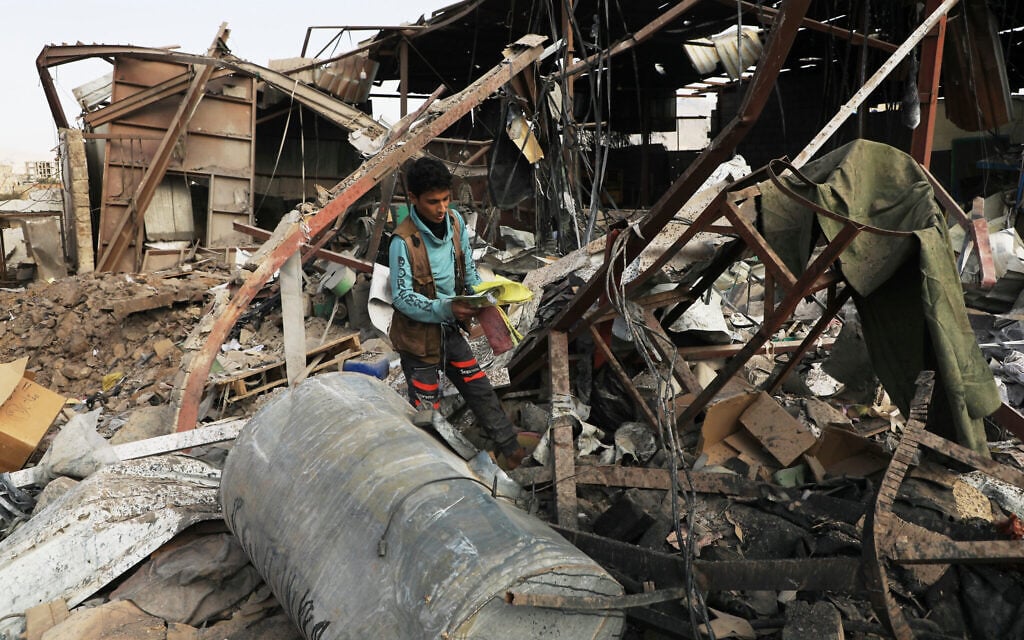
Saudi Arabia is preparing for its war against the Iran-backed Houthis in Yemen to stretch well into next year, doubling down despite setbacks on the battlefield in Yemen and attacks disrupting life at home, said two Western officials briefed by Saudis on the plans.
The renewed conflict has become the most active front in the wider conflict sparked by the Iran war, killing and wounding thousands and displacing hundreds of thousands in Yemen while derailing Saudi Arabia’s efforts to draw in non-oil investment and host global events.
Public messaging around the war has also slowly shifted in the kingdom, with greater acknowledgement of its impacts.
0:00 / 0:00
Promoted: Jewish Crossroads, Micah Goodman

Saudi officials now foresee the campaign stretching on for up to six months, aiming to see gains on the ground by the kingdom’s allies, Yemen’s internationally recognized government, before any negotiations with the Houthis, according to the Western officials, who spoke on condition of anonymity to discuss non-public conversations with Saudi counterparts.
A third source familiar with the Saudi plans confirmed the accounts. All three said a deal to end the wider Iran war could see the Yemen conflict draw down.
Get The Times of Israel's Daily Edition by email and never miss our top stories
By signing up, you agree to the terms
The third source also said Riyadh believes that US offensive support for Saudi operations in Yemen, which President Donald Trump’s administration has so far withheld, could help change the tide of the conflict, potentially allowing Saudi-backed forces to make the gains they want within weeks.
A Saudi Foreign Ministry official declined to comment on the views of Saudi officials as described by the Western officials.
Battlefield setbacks
Saudi Arabia first entered the Yemen conflict in 2015 at the head of an Arab coalition to try to restore Yemen’s government to power after the Iran-backed Houthis seized the capital Sanaa and much of the country. They fought to a bloody stalemate and, in 2022, reached a ceasefire that lasted until this summer.
Since fighting restarted, the Houthis have seized the Red Sea coast and the strategic Bab el-Mandeb strait from Saudi-backed forces, and encircled the city of Taiz in the highlands above the Saudi-backed government’s temporary capital, Aden, on the southern coast.
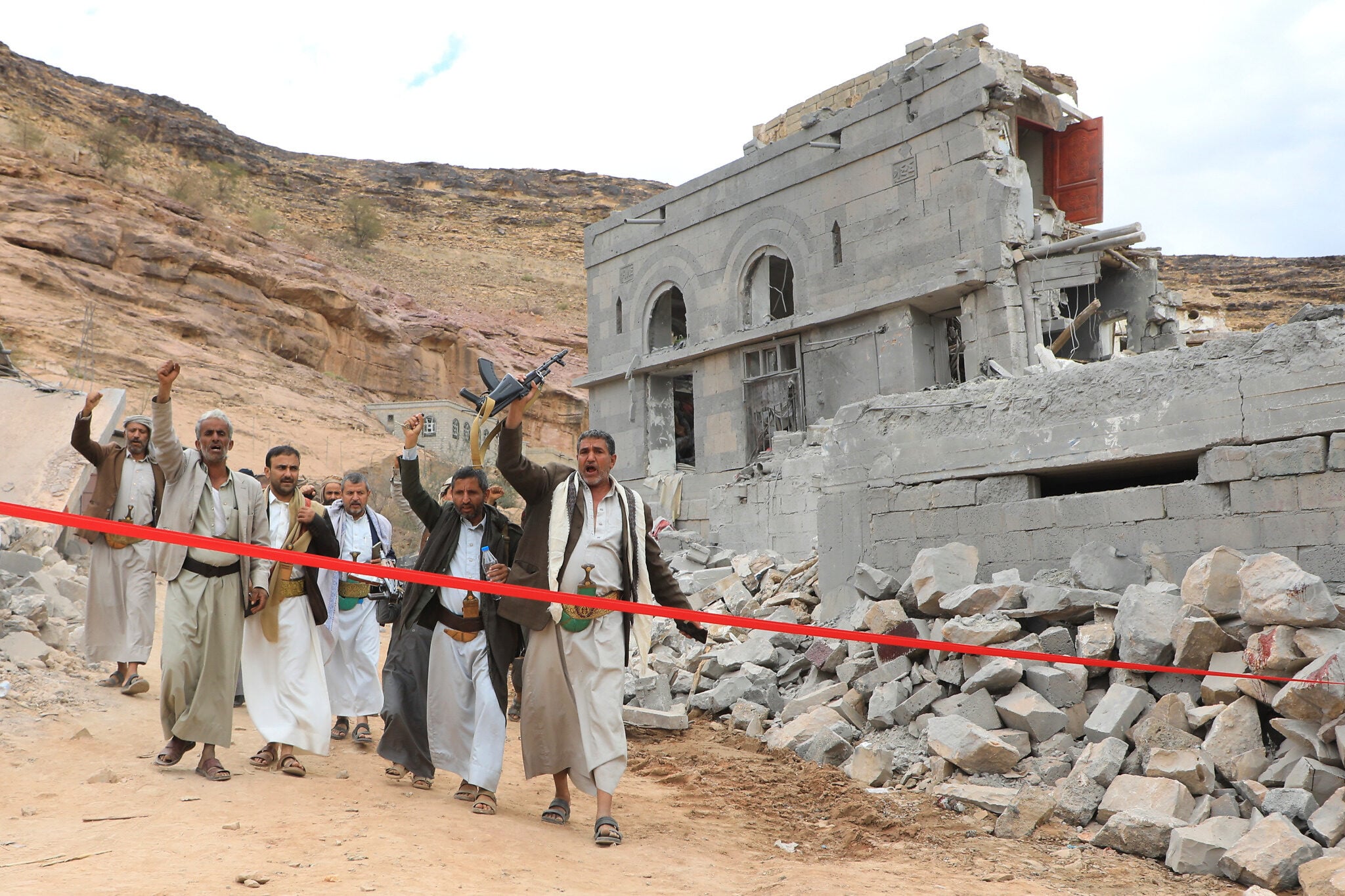
Yemeni government forces mounted a counterattack last month, recapturing territory around the strait, but withdrew over the past weekend to protect Aden, in a major setback.
Saudi and Yemeni forces are now reorganizing, with plans to protect Aden from Houthi advances and potentially shift their offensive to eastern fronts where they have made some advances, or have at least held their lines, according to one of the Western officials.
Saudi Arabia announced on Monday it had replaced the commander overseeing the Saudi-led coalition. Yemen’s government is also expected to reshuffle its military leadership, according to two people familiar with its plans.
On Wednesday, the Saudi-led coalition announced that it had launched a major air attack the previous day across the rebel-held territories in Yemen, which the Houthis said killed at least 17 people.
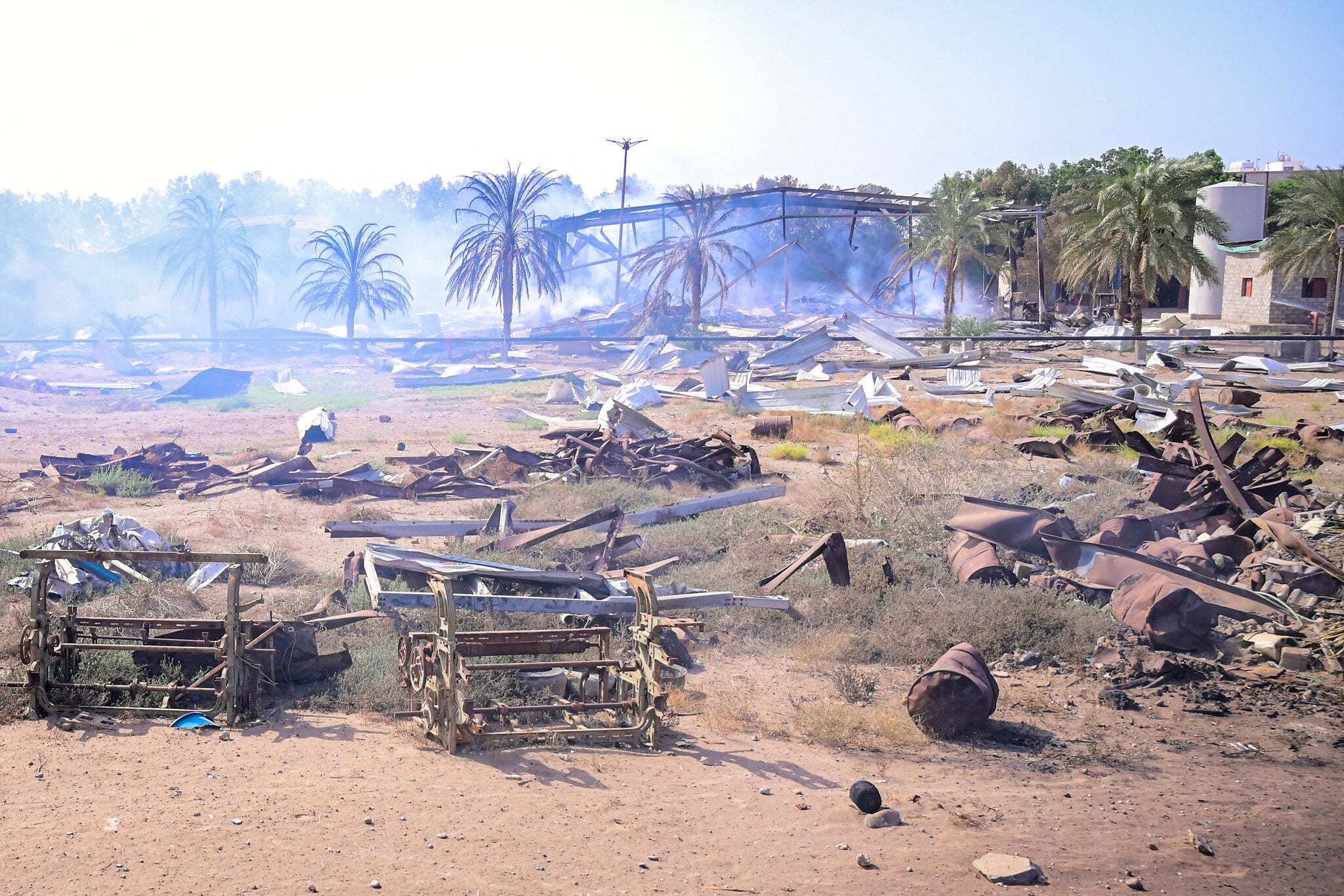
Maj. Gen. Turki al-Malki, the coalition spokesman, said the strikes launched Tuesday on Sanaa and three more provinces targeted dozens of Houthi ballistic missile warehouses and drone workshops.
A spokesman for the Houthi-run health ministry, Anees al-Asbahi, said one strike hit a sponge factory in Hodeida, killing at least 15 people and wounding 15 others. At least two more people were killed and four injured in Saada, and nine more were injured in Sanaa.
Saudi air defenses destroyed two Houthi-fired cruise missiles on Wednesday that targeted the capital, Riyadh, Al-Malki said. Saudi Arabia also sounded alerts in three cities in the kingdom’s south, near the border with Yemen, but officials later said the potential danger had passed, without providing more details.
‘Guide their aim and steady their feet’
Saudi Arabia had sought to portray its renewed conflict with the Houthis as a Yemeni issue, with the kingdom providing support to Yemeni allies and defending itself from cross-border attacks but not being a full party to the war.
But that position has become increasingly difficult to maintain given repeated high-profile attacks on Saudi cities, leading to growing acknowledgment of the war in Saudi public messaging, delivered from sources ranging from media to mosques.
A Houthi attack smashed a gaping hole into the towering Riyadh headquarters of state oil company Aramco last week. A string of strikes on Riyadh’s airport, most recently on Wednesday, has kept it closed to the majority of flights since October.
Houthi military spokesman Yahya Saree said the group attacked King Khalid International Airport and the Financial Center in Riyadh with a large number of cruise missiles, although there was no confirmation from Saudi Arabia.
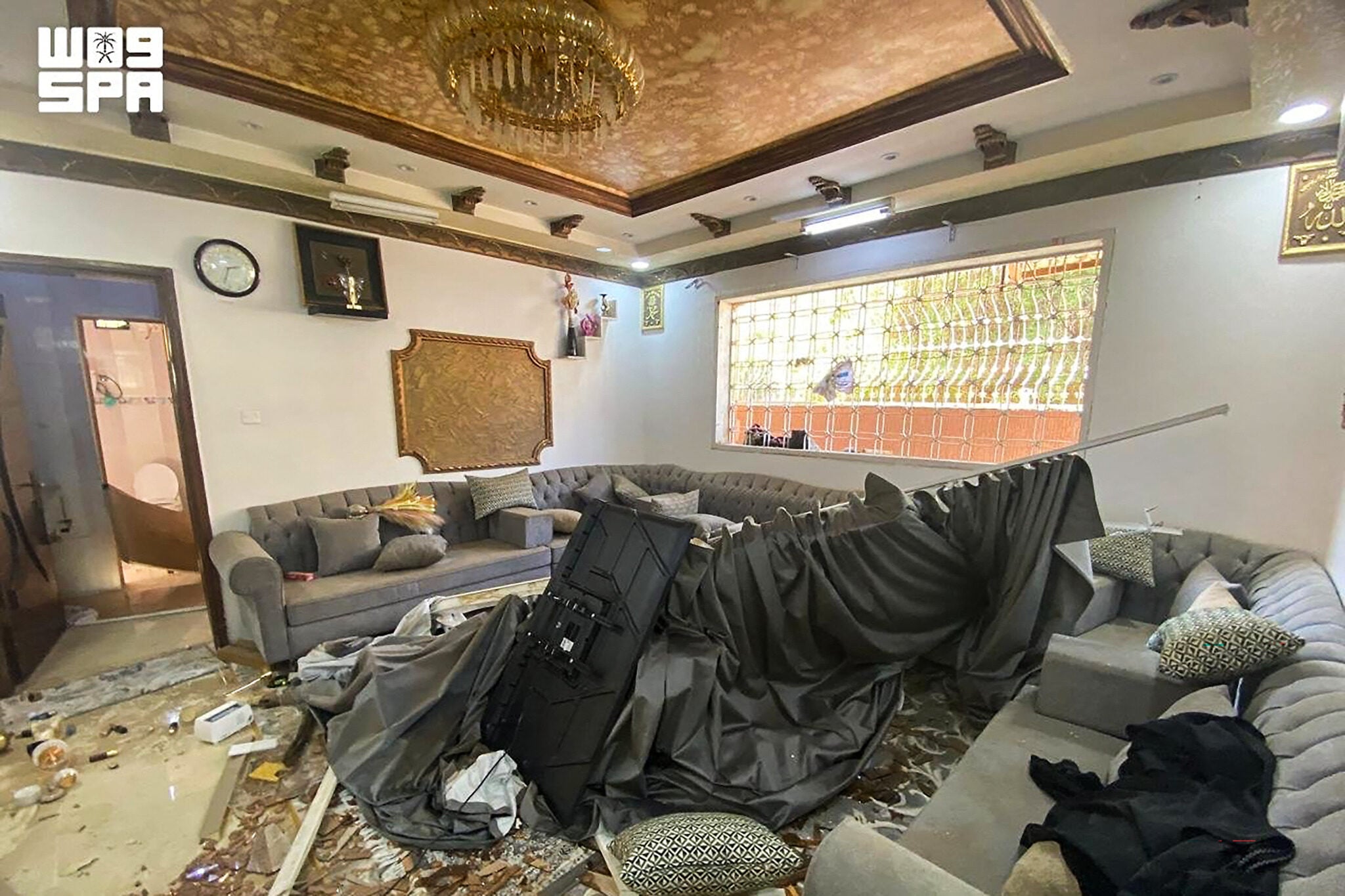
The attacks have led to the cancellation or postponement of prestige events such as the flagship FII investment conference. Soccer’s AFC Asian Cup, a major part of Saudi Arabia’s longstanding campaign to become a central venue for global sport, has been put off from January 2027 to December.
The Saudi authorities have since last month been issuing regular alerts ahead of attacks, and more detailed statements soon afterwards, a shift from a previous approach of releasing only comparatively limited information.
Images of the aftermath of attacks have been restricted by laws that criminalize distributing them. But the deputy governor of Riyadh visited the Riyadh Aramco Tower two days after it was hit, and state media showed the damage.
Public messaging about the war has also extended to mosques, where the government guides the themes of sermons that usually focus on day-to-day topics such as marriage or good neighborliness.
Conflict with the Houthis took up the entire sermon at one of Riyadh’s bigger mosques on Friday last week, with the imam promising fighters “victory or martyrdom” and offering prayers for Saudi soldiers at the kingdom’s southern border.
“Oh Allah, guide their aim and steady their feet, and grant them victory over those who show them hostility,” he said.
Your next read: ToI Editors' Picks

LIMITED TIME OFFER: Join The Times of Israel Community today and you'll receive a physical book of your choice, carefully curated by our editors.
Choose between two must-reads: When We See You Again by Rachel Goldberg-Polin, a searing portrait of a mother’s grief and strength following unthinkable tragedy;
Or Out of the Sky: Heroism and Rebirth in Nazi Europe by Matti Friedman, the gripping and surprising tale of a forgotten moment during World War II.
As a Community member, you’ll also enjoy our DocuNation series of outstanding Israeli documentary films, an ad-free experience of our site and podcasts, commenting privileges, and more.
CHOOSE YOUR BOOK CHOOSE YOUR BOOK Already a member? Sign in to stop seeing this
KioskNews shows a cleaned-up reading view extracted from the publisher’s page — the original always lives on their site, not ours.