30kg giant rat lived in Thailand 35 million years ago, fossils reveal
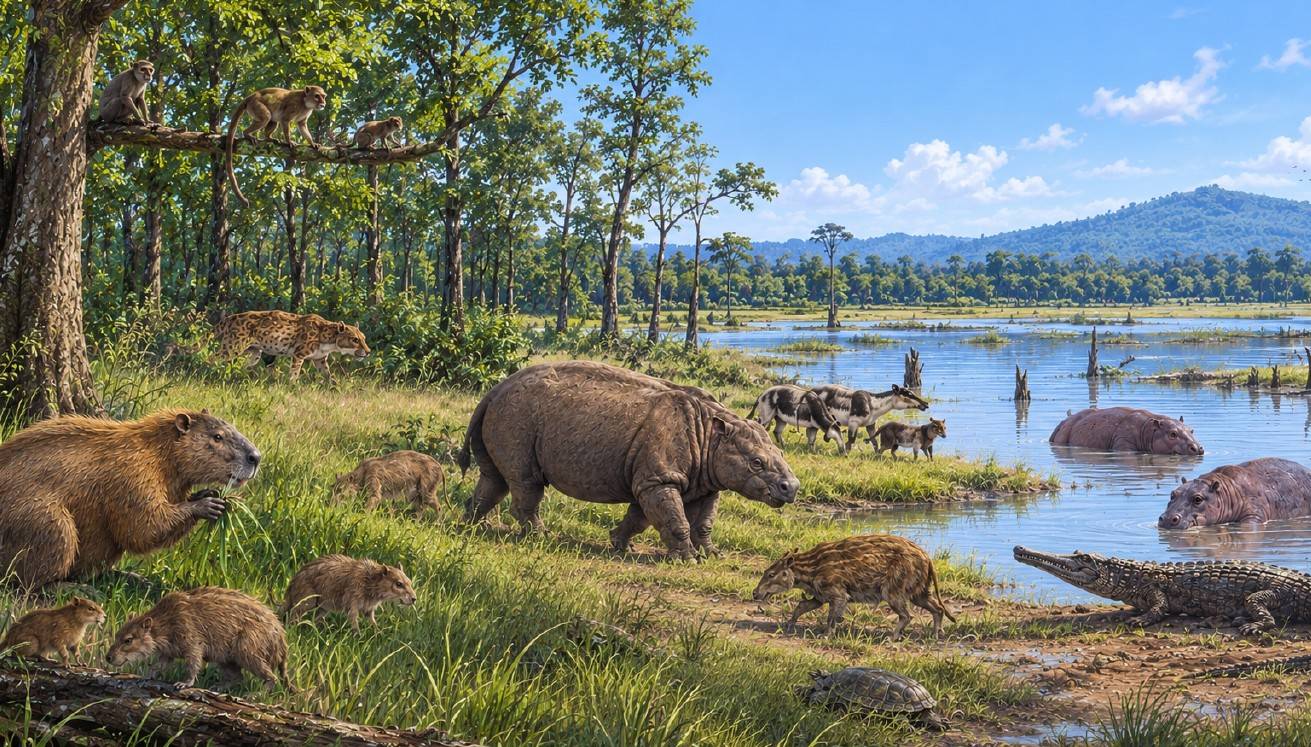
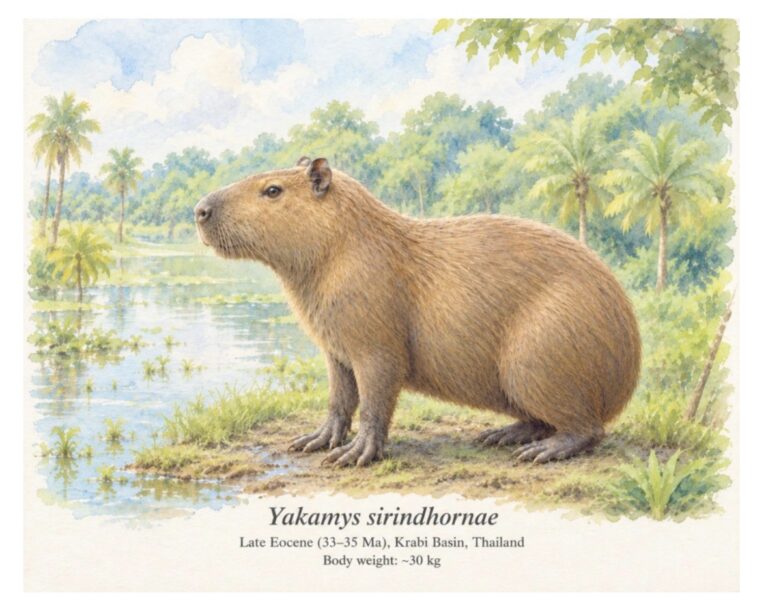
KRABI – A giant rat weighing an estimated 30 kilogrammes roamed what is now southern Thailand around 33–35 million years ago, according to a new fossil discovery that could change scientists’ understanding of how giant rodents evolved.
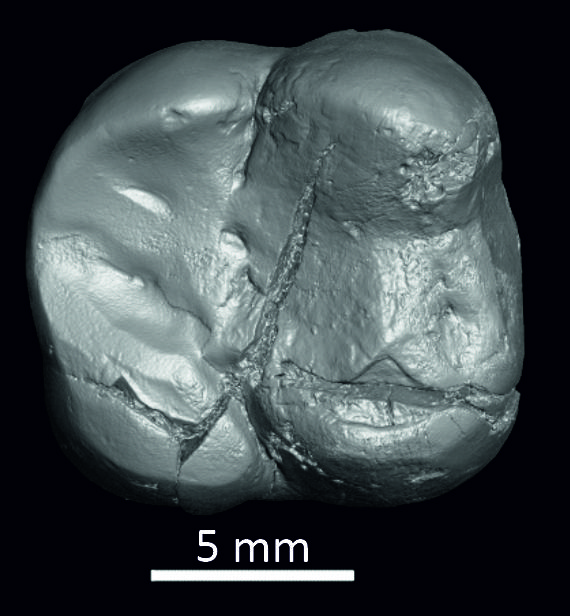
The ancient rodent, named Yakamys sirindhornae, was identified from fossilised molars and incisors discovered in sediment layers at the Bang Mark coal mine in Krabi province.
Natural Resources and Environment Minister Suchart Chomklin announced the discovery on Wednesday (4 November), saying the animal was the largest rodent yet discovered from the Palaeogene period, which lasted from approximately 66 million to 23 million years ago.
The findings suggest that rodents evolved into large-bodied animals at least 15–20 million years earlier than previously believed.
The research was conducted by Thailand’s Department of Mineral Resources in collaboration with scientists from France and Canada, led by Dr Yaowalak Chaimanee, a fossil mammal specialist at the French National Centre for Scientific Research (CNRS).
Using advanced scientific techniques to examine the fossilised teeth, researchers identified the animal as a previously unknown genus and species of rodent dating to the Late Eocene epoch.
Despite its enormous size compared with modern rats, Yakamys sirindhornae belonged to the broader rodent group, which also includes squirrels, beavers and capybaras.
Suchart said the species was named sirindhornae in honour of Her Royal Highness Princess Maha Chakri Sirindhorn, who granted permission for her name to be used in recognition of her longstanding support for science, geology and palaeontology in Thailand.
It is the fifth fossil species to receive a royally granted name.
The study was scheduled for publication in the international scientific journal Scientific Reports on 4 November 2026.
Suchart said the discovery highlighted the scientific importance of Krabi’s fossil deposits and demonstrated the contribution of Thai researchers to international palaeontological research.
The fossil specimens are currently preserved at the Department of Mineral Resources.
The ministry said it would continue supporting fossil research, conservation and public education to promote Thailand’s geological heritage.
KioskNews shows a cleaned-up reading view extracted from the publisher’s page — the original always lives on their site, not ours.