10 Greatest American-Made Martial Arts Movies Of The Last 30 Years

Senior Music Editor at Screen Rant, Sarah's love of sound and story drive the beat. A globetrotting brand whisperer and award-winning journalist, she’s built cross-cultural narratives around the world—but music has always been her true north. She launched DJ Mag North America, successfully introducing the iconic UK brand to the U.S. market. Previously, she carved a space for EDM inside the pages of VIBE, blending electronic and hip-hop culture long before it was trendy.
For decades, the greatest martial arts movies were largely associated with cinema from Hong Kong, Japan, and elsewhere in Asia. American filmmakers had plenty of action stars, but matching the speed and precision the best martial arts cinema was another matter.
That began to change dramatically in the late 1990s. The Matrix brought Hong Kong fight choreography into one of Hollywood's biggest sci-fi movies, while filmmakers including Quentin Tarantino and Chad Stahelski later built American action movies around techniques borrowed from martial arts traditions around the world. Smaller productions also proved that huge budgets were hardly necessary.
Looking specifically at the last 30 years, these 10 American-made martial arts movies stand out for very different reasons. Presented chronologically, they also show how dramatically the genre has evolved, from The Matrix transforming blockbuster combat to Everything Everywhere All at Once putting Michelle Yeoh's martial arts skills at the center of an Oscar-winning multiverse adventure.
The Matrix (1999)
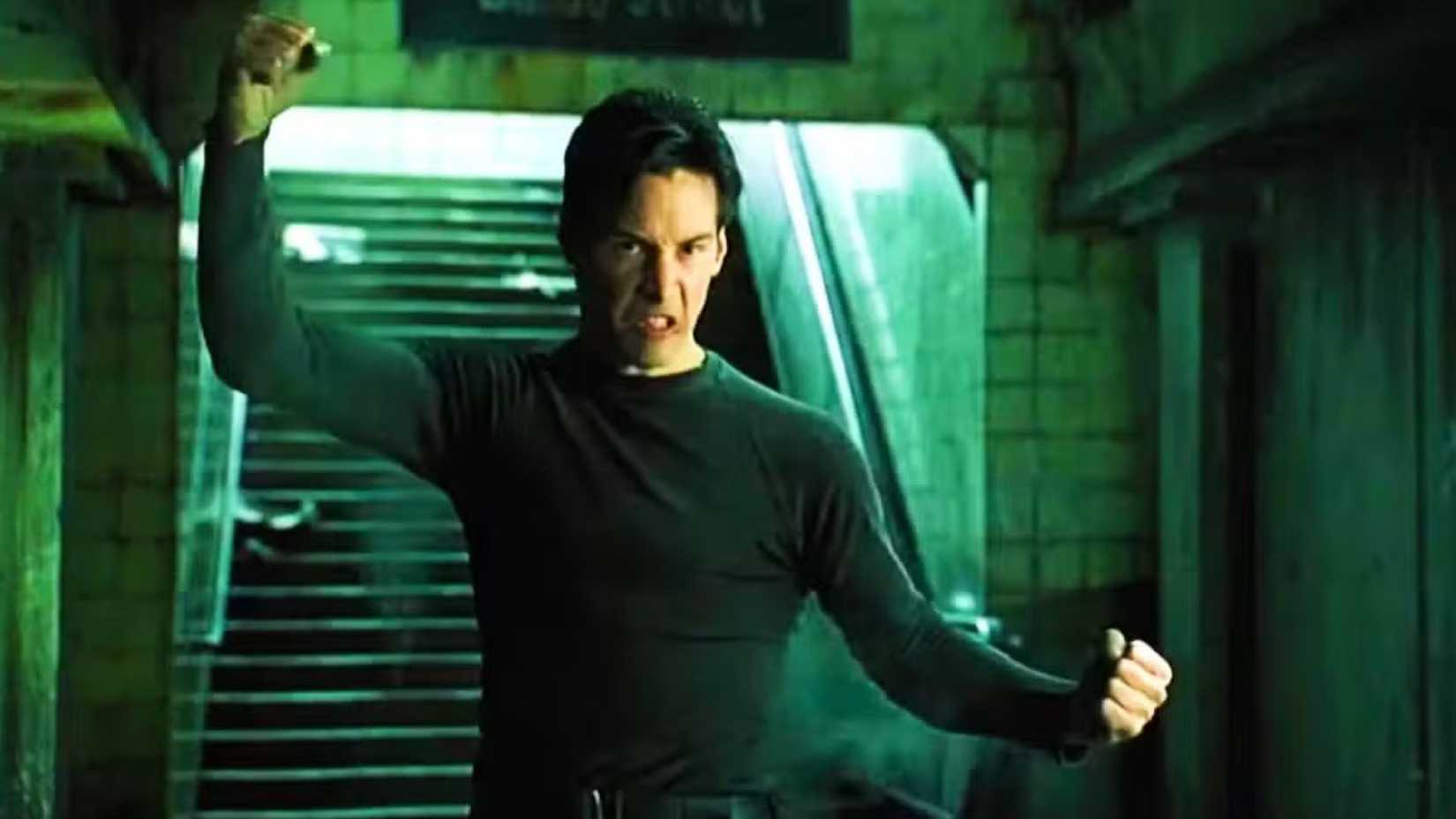
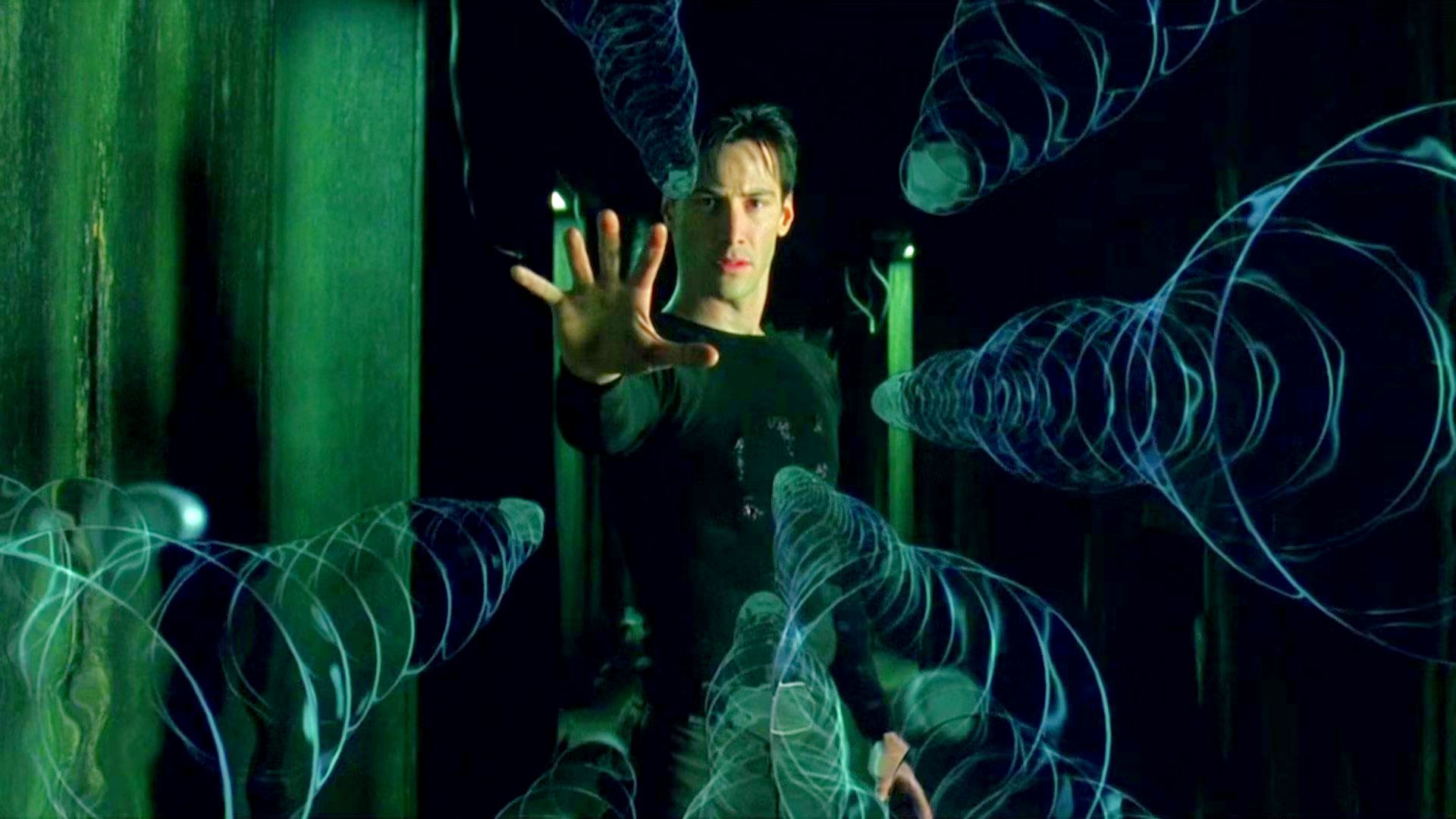
The Matrix changed far more than science-fiction filmmaking when it arrived in 1999. The Wachowskis brought legendary Hong Kong action choreographer Yuen Woo-ping into a major American production and put Keanu Reeves, Laurence Fishburne, Carrie-Anne Moss, and Hugo Weaving through months of intensive fight training.
The result was a style Hollywood audiences had rarely seen at that scale. Neo and Morpheus' dojo fight and Neo's battles with Agent Smith mixed wire work, kung fu, and blockbuster visual effects without reducing the martial arts to background decoration. It remains one of the most influential sci-fi adventure movies of the era, and American action cinema looked noticeably different afterward.
Kill Bill: Vol. 1 (2003)
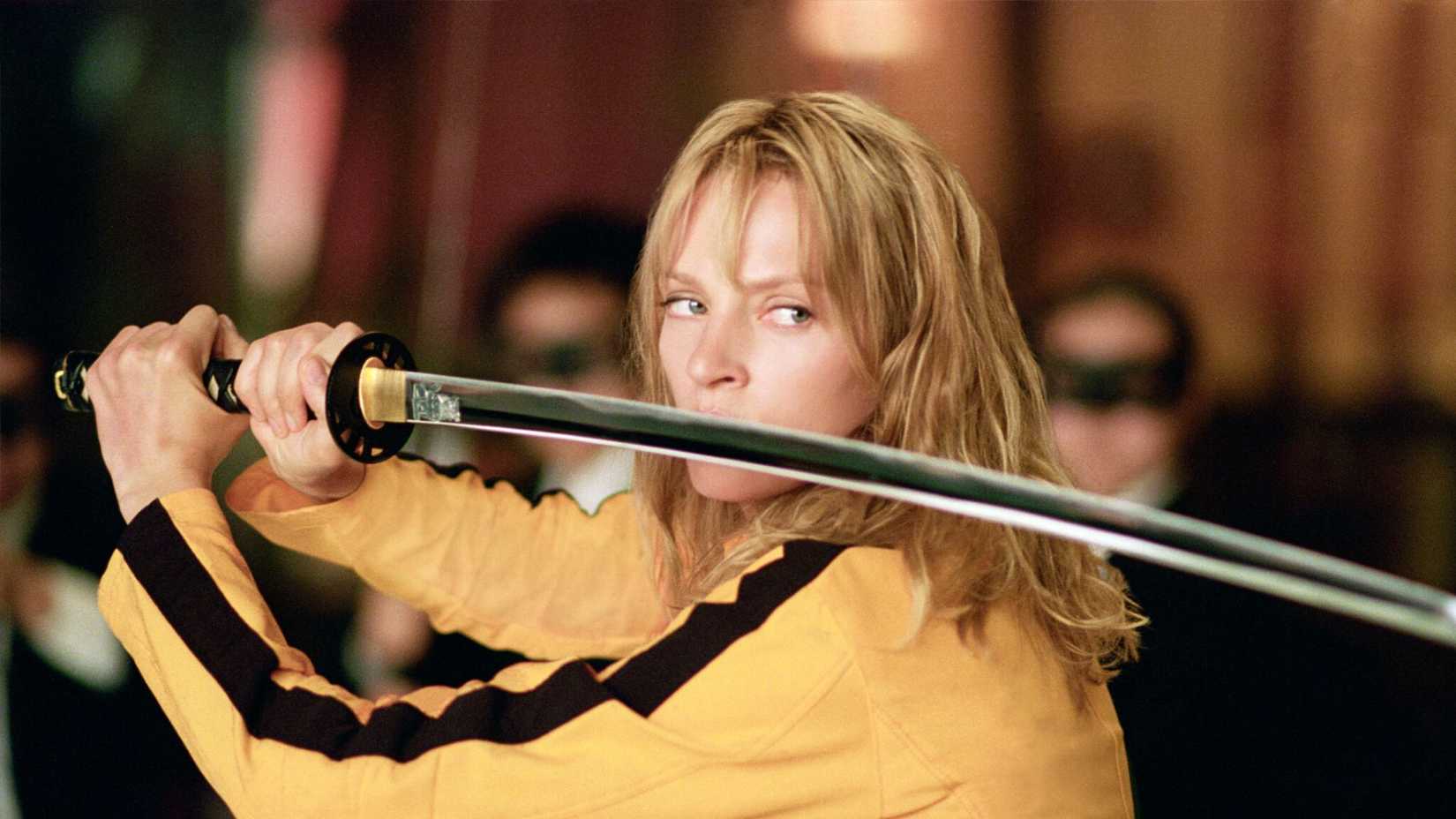
Quentin Tarantino's Kill Bill: Vol. 1 wears its influences proudly. Shaw Brothers kung fu movies, Japanese samurai films, exploitation cinema, and Bruce Lee all feed into the Bride's bloody pursuit of revenge, but Tarantino pulls those references together into something distinctly his own.
Uma Thurman's showdown with the Crazy 88 remains the movie's defining sequence, turning the House of Blue Leaves into an extended display of sword fighting and practical stunt work. The violence is deliberately exaggerated, but Tarantino's affection for martial arts cinema is sincere, making Kill Bill one of Hollywood's most extravagant love letters to the genre.
Undisputed II: Last Man Standing (2006)

The first Undisputed was primarily a boxing movie. Undisputed II: Last Man Standing effectively reinvented the franchise by leaning much harder into martial arts, turning what could have been an anonymous direct-to-video sequel into a cult favorite.
Michael Jai White stars opposite Scott Adkins, whose Yuri Boyka became the franchise's breakout character. Director Isaac Florentine lets his performers actually perform, favoring clear choreography over the frantic editing common in plenty of mid-2000s action movies. It helped establish both White and Adkins as major names among modern martial arts fans.
Never Back Down (2008)

Never Back Down arrived just as mixed martial arts was becoming impossible for mainstream audiences to ignore. The setup is pure 2000s teen drama: Jake Tyler is the angry new kid who gets pulled into an underground fighting scene before finding a mentor who teaches him how to channel all that aggression.
It is familiar territory, but the fights give the movie its identity. Boxing, wrestling, Brazilian jiu-jitsu, and kickboxing feed into a style built around MMA rather than traditional cinematic kung fu. Never Back Down became a cult favorite and introduced plenty of younger viewers to a different kind of martial arts movie.
Blood And Bone (2009)


Michael Jai White gets an even better showcase in Blood and Bone. He plays Isaiah Bone, an ex-con who enters Los Angeles' underground fighting circuit with motivations that gradually become clearer as he works his way through increasingly dangerous opponents.
White's extensive real-life martial arts background gives the fights an authority that is difficult to fake. He moves with remarkable speed for someone so physically imposing, and director Ben Ramsey wisely gives him room to show it. White is among several actors with serious martial arts skills, and Blood and Bone may be his purest feature-length showcase.
Warrior (2011)

Warrior proves that a martial arts movie does not need to choose between great fights and great drama. Tom Hardy and Joel Edgerton play estranged brothers Tommy and Brendan Conlon, whose separate paths eventually lead them into the same high-stakes MMA tournament.
The tournament sequences are convincing enough to satisfy fight fans, but the real power of Warrior comes from everything surrounding them. Nick Nolte gives a devastating performance as the brothers' recovering alcoholic father, while Hardy and Edgerton make the eventual confrontation genuinely painful. The final fight matters because the movie has spent so much time making the brothers matter first.
John Wick (2014)
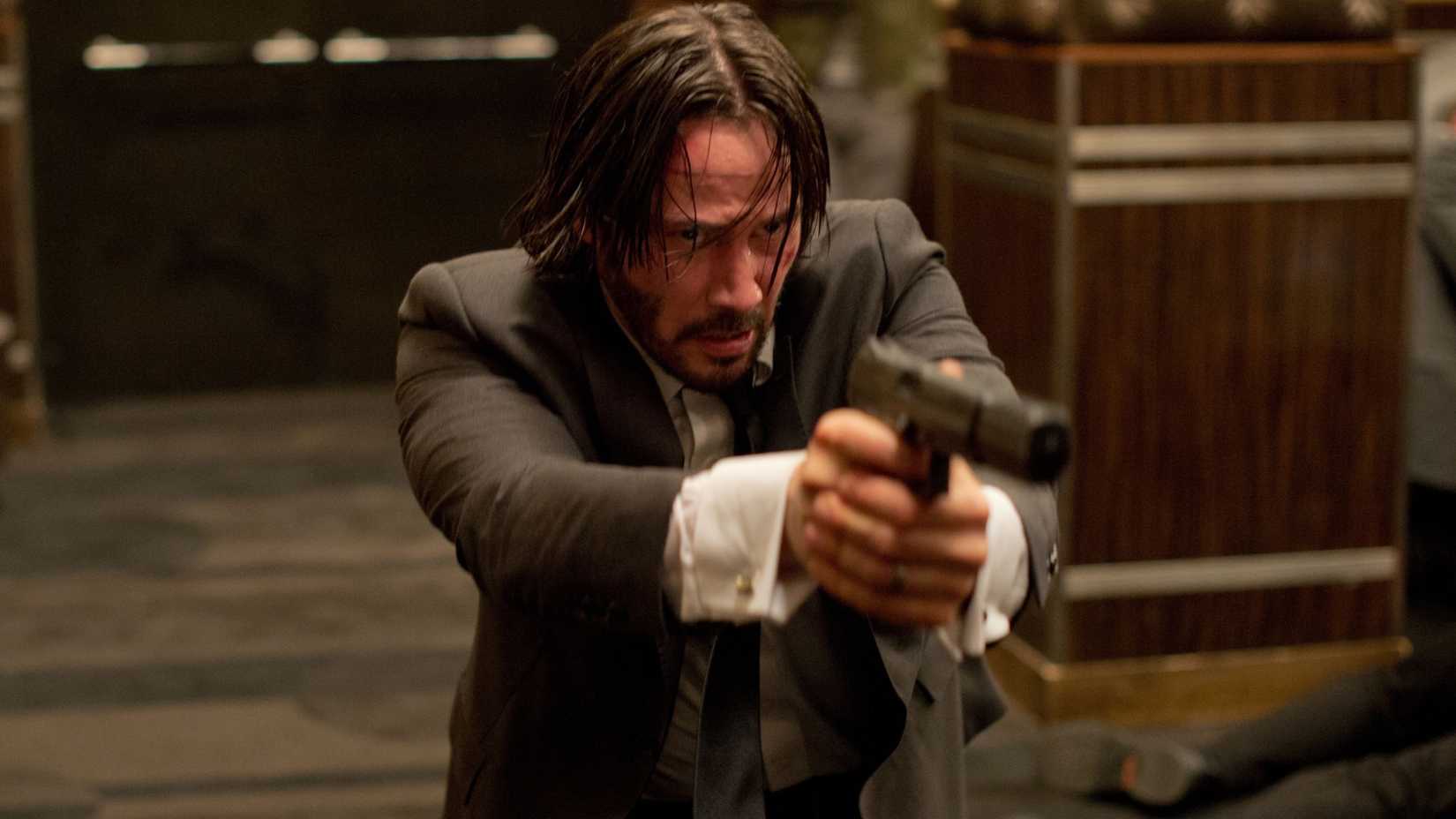
John Wick gave American action cinema another major reset in 2014. Chad Stahelski and David Leitch combined gunplay with judo, jiu-jitsu, grappling, and close-quarters combat to create a fighting style that quickly became synonymous with Keanu Reeves' seemingly unstoppable assassin.
Just as important was how those fights were filmed. Reeves trained extensively enough that the camera did not need to constantly hide him behind frantic cuts, allowing audiences to follow the throws and takedowns. The approach became so central to the franchise that subsequent movies continued expanding the martial arts behind John Wick's action rather than abandoning what made the original work.
The Paper Tigers (2020)

The Paper Tigers approaches martial arts from almost the opposite direction. Its heroes are not unstoppable killers or young fighters reaching their physical peak. They are three former kung fu prodigies who have become middle-aged men with jobs, families, injuries, and considerably less stamina than they remember having.
That becomes the source of both the movie's comedy and its heart. Director Quoc Bao Tran takes the familiar kung fu revenge setup and turns it into a story about aging, friendship, and realizing that physical ability does not last forever. The action remains satisfying precisely because these characters are no longer effortlessly good at what they once did.
Shang-Chi And The Legend Of The Ten Rings (2021)

Marvel Studios had included martial arts in its movies before, but Shang-Chi and the Legend of the Ten Rings was the first MCU film to place those traditions at the center of the action. Simu Liu's Shang-Chi moves through fight scenes influenced by both contemporary stunt filmmaking and classic Hong Kong cinema.
The bus fight remains the obvious standout, but the movie incorporates several different martial arts styles throughout its story. The graceful confrontation between Wenwu and Ying Li looks completely different from Shang-Chi's close-quarters brawls, allowing fighting styles to say something about the characters instead of simply filling time between Marvel plot points.
Everything Everywhere All At Once (2022)


Everything Everywhere All at Once uses martial arts in ways that are funny, absurd, emotional, and occasionally ridiculous, sometimes within the same sequence. Michelle Yeoh's history as one of action cinema's greatest performers makes her perfect casting as Evelyn Wang, an exhausted laundromat owner who discovers countless alternate versions of herself.
The Daniels turn that premise into an excuse to move between different styles of combat while keeping the fights connected to character. Evelyn can suddenly access abilities learned by another version of herself, allowing Yeoh to shift between comedy and genuine physical grace. Even among the movie's countless references and Easter eggs, its debt to martial arts cinema is impossible to miss.

- Release Date
- March 24, 2022
- Runtime
- 140 minutes
- Director
- Daniel Scheinert, Daniel Kwan
- Writers
- Daniel Scheinert, Daniel Kwan
- Producers
- Anthony Russo, Joe Russo, Virginie Besson-Silla, Mike LaRocca, Tim Headington, Jonathan Wang, Daniel Kwan, Daniel Scheinert
KioskNews shows a cleaned-up reading view extracted from the publisher’s page — the original always lives on their site, not ours.