5 takeaways from US midterms as Democrats sweep Congress and Trump faces Iran reckoning
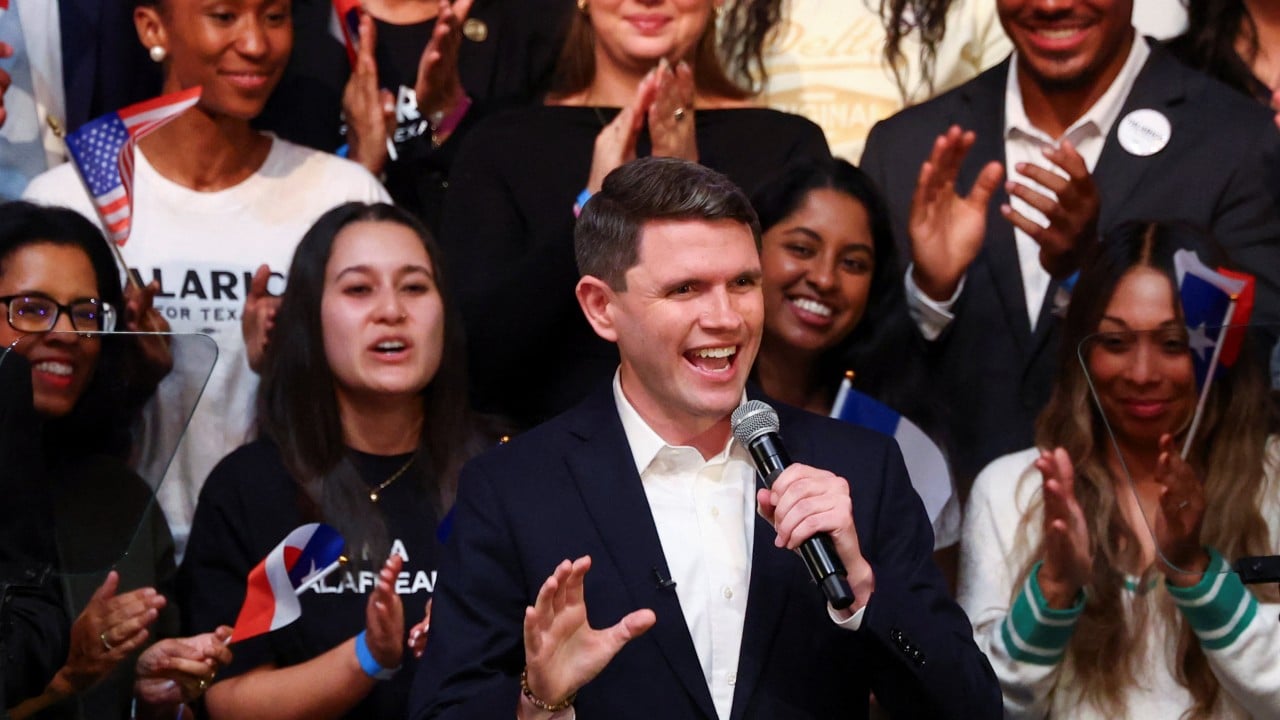
A Democratic victory that reached from Texas to Kansas changed the terms of Donald Trump’s final two years in office.
When the new US Congress convenes in January, Democrats will control both chambers. They can block his legislation, challenge spending on the war in Iran and scrutinise the deals he strikes with Beijing.
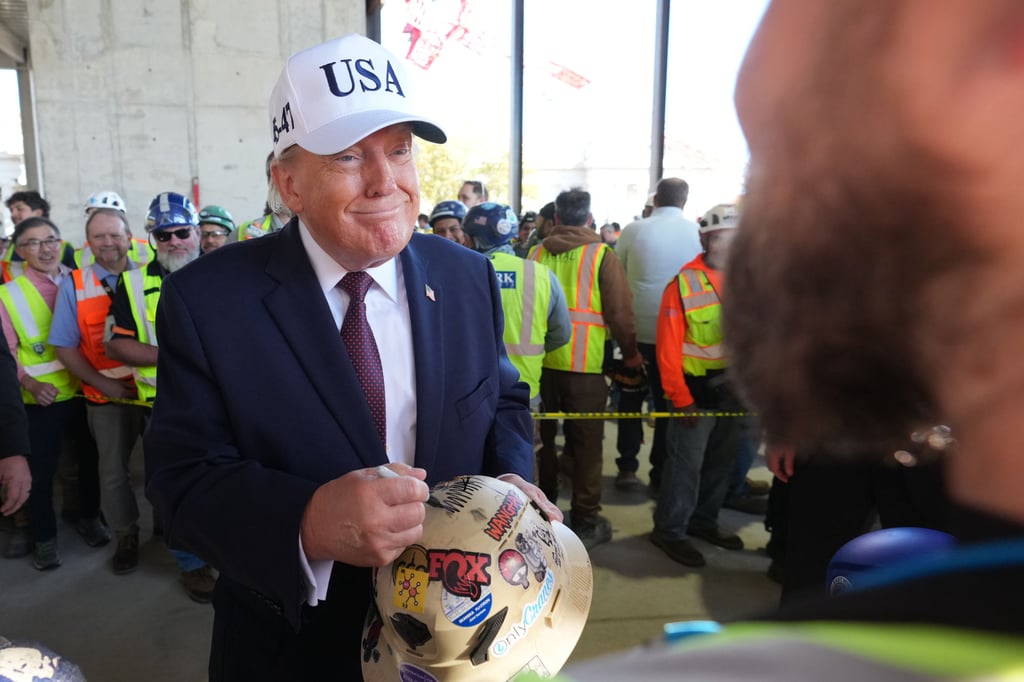
The day after his party lost control of Congress, Trump invited reporters to the construction site of his new White House ballroom to watch workers raise the final steel beam.
Asked about the prospect of impeachment, he dismissed the idea, then turned back to the reason he had brought them there. “Watch the beam go up,” he said.
The visit also gave Trump a chance to respond to his vice-president, J.D. Vance, who had blamed the Iran war for the defeat.
Many voters who backed Trump in 2024 had turned out again on Tuesday and voted for Democrats, Vance said.
Trump put the emphasis on higher fuel prices and stood by his decision to go to war. “If I had it to do again, I’d have to do it again,” he said.
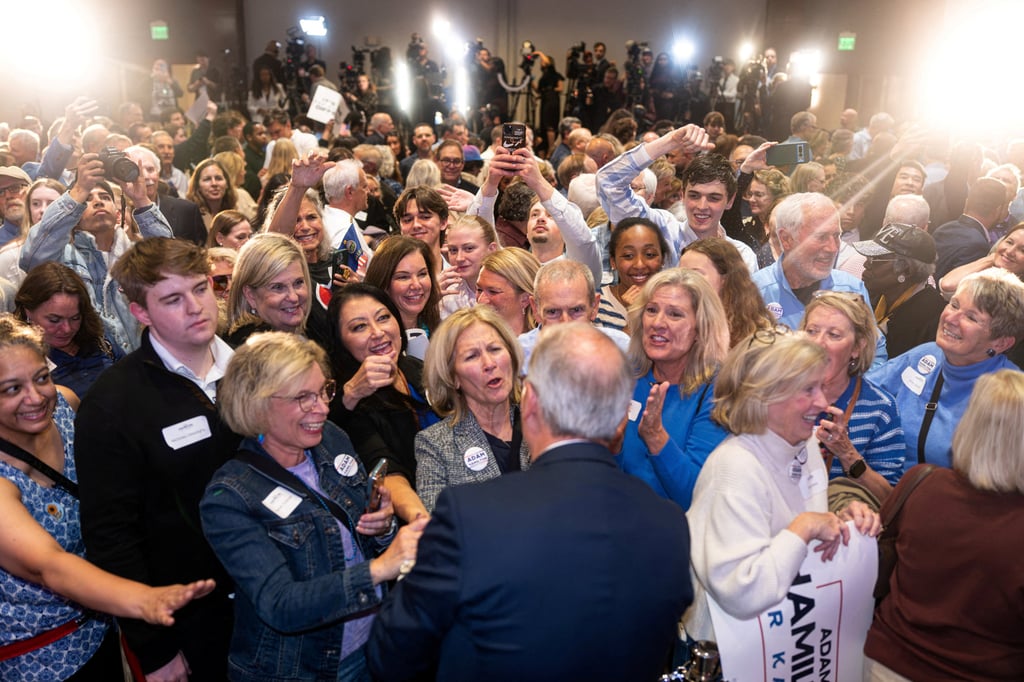
Here are five takeaways from the US midterms.
1. The Democratic wave reached deep into Trump country
In Texas, James Talarico defeated Republican Ken Paxton to become the first Democrat to win a US Senate race in the state since 1988. In South Carolina, doctor Annie Andrews defeated Republican Senator Darline Graham. Trump had carried both states by double digits just two years earlier and had backed both losing candidates.
Kansas delivered the longest break with the past. Adam Hamilton defeated Republican Senator Roger Marshall, ending a Senate winning streak that dated to 1932. In Ohio, Democrat Sherrod Brown won the seat Vance had vacated to become vice-president.
The final size of the majority was still taking shape on Wednesday.
At noon Eastern time, the Associated Press had yet to call the Senate races in Alaska and Mississippi. Democrats had already secured control without either seat.
2. Vance blamed the war. Trump blamed the price of fuel
Republicans had spent much of the campaign watching whether the people who backed Trump in 2024 would turn out again. Vance said the party had drawn too much comfort from seeing those voters show up. Many came back, he said, and cast their ballots for Democrats.
“The reason we lost is the war,” Vance wrote on X. He cited an unnamed pollster who had asked former Trump voters what it would take to win them back.
Ending the conflict topped the list, Vance said, followed by tackling the cost of living. An NBC News exit poll found that 62 per cent of voters thought the US had made the wrong decision in taking military action against Iran.
Speaking from the ballroom site, Trump offered a narrower explanation. He said the war had hurt Republicans by driving up petrol prices, but defended his decision to take military action.
He also maintained that Republicans would have won had his name been on the ballot. “We weren’t able to transfer the love to candidates,” he said of the crowds at his rallies.
3. Schumer put household costs first and pointed to Congress’s leverage over Iran
Senate Democratic leader Chuck Schumer described his party’s first assignment in terms of choices families faced at home: buying petrol to get to work or groceries to feed their children, paying for healthcare or keeping the heat on.
Lowering those costs, he said, was the first thing Democrats had to do to earn the trust of voters who had given them another chance.
On Iran, Schumer was emphatic about the goal and less specific about the means. “This war must end. It must end,” he said.
Asked whether Democrats would use defence funding as leverage, he pointed to Congress’s “power of the purse” and said some Republicans already supported ending the conflict. He stopped short of proposing a funding cut.
Schumer also pledged to tackle government corruption. His warning on investigations came with a condition: if Trump defied the law or the will of the American people, Democrats would investigate and take him to court. “The days of Trump’s supplicant Senate are over,” he said.
4. House Republicans need a new leader
As recently as October, House Speaker Mike Johnson expected to keep leading Republicans even if Democrats took the chamber. “I intend to stay and lead,” he told CBS News.
On Wednesday, the Louisiana Republican, who won re-election to his own seat, told staff he would not seek the minority leader’s job.
House Majority Leader Steve Scalise of Louisiana and Judiciary Committee chairman Jim Jordan of Ohio looked like the strongest candidates to replace him. The two had sought the speakership in 2023, when neither could assemble enough support and Johnson emerged as the compromise choice.
Asked at the White House whether he would take sides, Trump offered a short answer: “We’ll stay out of it.”
5. Trump can still negotiate with Xi, but he may have less to offer
Beijing called the election a US “domestic affair”, and Chinese foreign ministry spokeswoman Mao Ning said China wanted to build on the understandings Trump and President Xi Jinping had reached. Trump will still be able to negotiate directly with Xi, but Democratic control of Congress could narrow what he can offer Beijing in return for concessions.
One example is a waiver from US technology export restrictions. Feng Chucheng, founder of Beijing-based consultancy Hutong Research, told the South China Morning Post that a Republican Congress might have granted such a waiver, giving Trump something to offer Xi at the negotiating table. Democrats would be less inclined to grant one, Feng said.
Technology is also an area where lawmakers could press Beijing harder. Fudan University professor Zhao Minghao expects a Democratic Congress to take a tougher stance on artificial intelligence, export controls and Taiwan, even as Washington’s broader strategy towards China holds steady.
California congressman Ted Lieu said on Wednesday that House Democrats would use their new majority to hold public hearings on the AI industry and advance legislation to regulate it.
Lieu, a co-chair of the House Democratic Commission on AI and the Innovation Economy, accused the Trump administration and House Republicans of making a “conscious decision to let the AI industry run wild”.
He called that a mistake both as policy and as politics, citing growing public opposition to the rapid expansion of data centres.
KioskNews shows a cleaned-up reading view extracted from the publisher’s page — the original always lives on their site, not ours.