Canada fast-tracking oil pipeline designed to diversify economy away from US
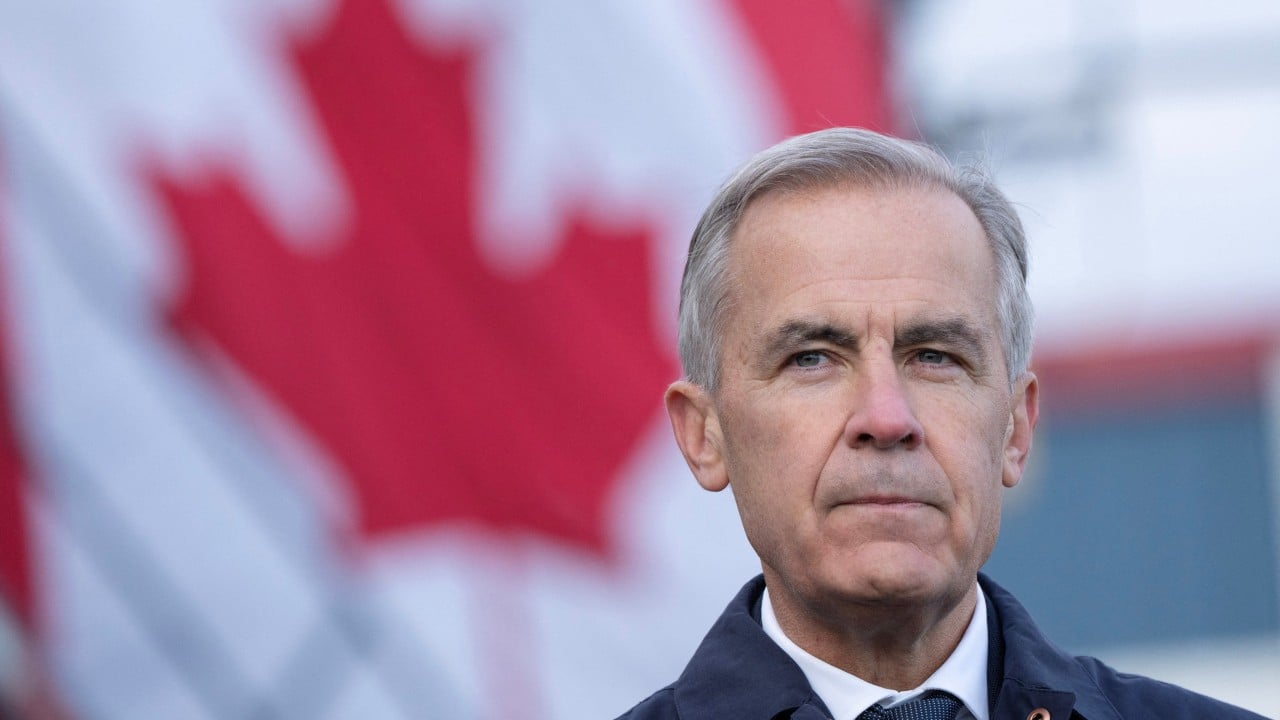
Canada will fast track the approval process for a new proposed crude oil export pipeline to its west coast that could generate over C$20 billion (US$14 billion) a year in GDP, Prime Minister Mark Carney said on Thursday.
The pipeline, which was announced in July, is a crucial part of Carney’s bid to diversify the economy away from the United States and help lessen the effect of US President Donald Trump’s tariffs.
Carney said Ottawa would officially list the Pacific Link pipeline as a project of national interest, which enables it to proceed through a single federal regulatory review process. He said Ottawa aimed to complete the process by September 1, 2027.
“A pipeline to the west coast is part of our mission to transform our economy, to double our non-US exports over the next decade … [and] to unlock our full potential as a global energy superpower,” he told reporters in Fort McMurray, hub of Alberta’s oil sands industry.
Ottawa says the 1 million barrel a day project would create 140,000 jobs and generate over C$20 billion in GDP per year and C$100 billion in government revenue by 2060.

Canada currently has just one east-west oil export pipeline in Canada, the 890,000-barrel-per-day Trans Mountain pipeline. An expansion of that pipeline was completed in 2024, but it is already running at capacity.
For years, Canada has sent more than 90 per cent of its crude oil exports to the US via pipeline. A new oil export pipeline could make Canada a major global energy supplier, as Asia’s top importers seek oil from outside the Middle East in the wake of the Iran conflict.
Filling the pipeline, however, would require new oil sands expansions of the type no company has undertaken in more than a decade.
The pipeline will be built by government-owned Trans Mountain Corp in coordination with Pembina Pipeline Corp. Alberta estimates it could cost between C$35.2 billion and C$43.7 billion.
The majority owners will be the federal government and the government of Alberta. Indigenous communities will be offered a minimum of 10 per cent ownership interest.
Chief Raymond Powder of the Fort McKay First Nation told reporters his community is interested in potentially pursuing an equity stake in the pipeline.
Previous oil pipeline projects in Canada have faced strong opposition from environmentalists and indigenous groups, resulting in the cancellation of some projects and leading to cost overruns and construction delays with others.
Carney said there will be “extensive” consultations with indigenous groups on the proposal.
KioskNews shows a cleaned-up reading view extracted from the publisher’s page — the original always lives on their site, not ours.