MoH: No significant rise in haze-related illnesses yet
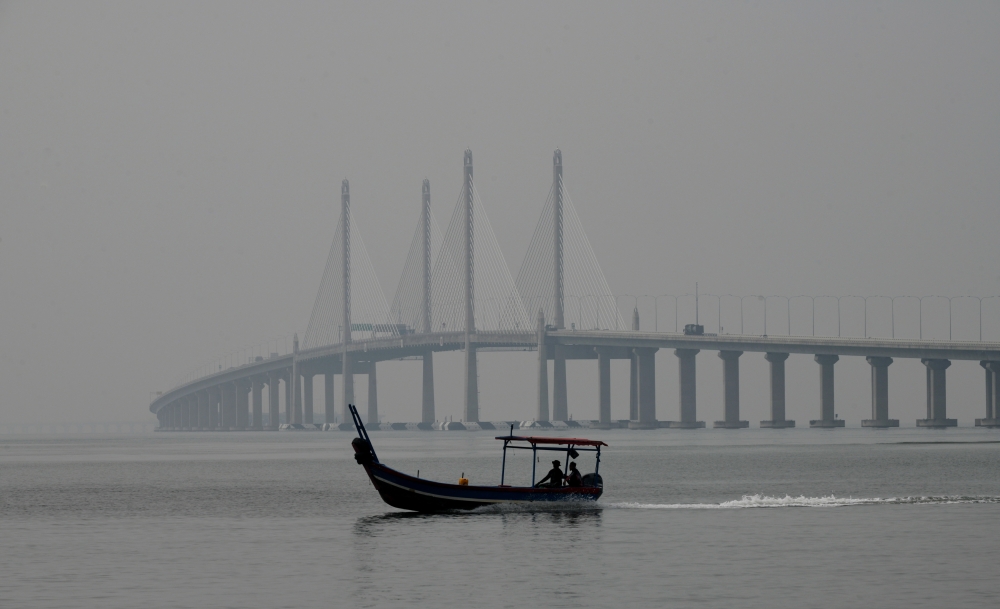

A view of the Sultan Abdul Halim Muadzam Shah Bridge in Penang shrouded in haze. — Bernama pic
First Published: Saturday, 15 Aug 2026 2:09 PM MYT
PUTRAJAYA, Aug 15 — Malaysia has not recorded a significant increase in haze-related illnesses so far, but the Ministry of Health (MOH) does not rule out a rise in cases if air quality worsens or the haze persists.
The MOH said no increase had been recorded so far in the three types of haze-related illnesses, namely upper respiratory tract infections (URTI), asthma and conjunctivitis, monitored through sentinel health facilities.
“Monitoring so far has found no significant increase in cases in any state compared with the situation before the haze,” the minisry told Bernama.
In Sarawak, the MOH said monitoring at 12 sentinel health clinics recorded a decline in URTI cases, from 1,473 in Epidemiological Week (EW) 31, before the haze, to 1,347 in EW 32.
Asthma cases fell from 195 to 122, while conjunctivitis cases rose from 15 to 43.
According to the MOH, children, the elderly and those with chronic illnesses are at greater risk of being affected by haze.
It said children have a higher respiratory rate, resulting in greater exposure to haze particles and potential health effects, while they are also less able to make appropriate decisions, particularly in dangerous situations.
Haze can have adverse effects on chronic conditions such as asthma, chronic obstructive pulmonary disease and heart disease.
The ministry further said that fine particles in haze can penetrate deep into the lungs, triggering inflammation and shortness of breath, while increasing the risk of heart attacks, acute attacks and hospitalisation.
“Therefore, people with chronic diseases should avoid exposure to haze to prevent their conditions from worsening. They should also follow their doctors’ advice and take their medication regularly,” it said.
The MOH anticipates an increase in haze-related illnesses if the haze persists or air quality worsens, with all health facilities instructed to remain on alert.
The ministry also said it is monitoring haze-related illnesses at health facilities located near the Department of Environment’s air quality monitoring stations.
A total of 68 health facilities have been selected to monitor haze-related illnesses, with data collection increased from weekly before the haze to daily during the haze.
The MOH said that so far, there had been no significant increase in hospital admissions or emergency cases linked to the haze.
However, the ministry said it would continue monitoring the situation and take appropriate action to treat patients with haze-related illnesses.
Meanwhile, the MOH advised the public to avoid outdoor physical activities to reduce exposure to haze, as increased breathing rates during physical activity can result in more suspended particles entering the respiratory tract.
“The public is also advised to stay indoors as much as possible and, if they need to go outside, limit their time outdoors and use appropriate face masks.
“Windows should also be kept closed to reduce haze entering homes or buildings,” it said, urging the public to avoid smoking and other activities that could increase indoor air pollution, and to keep their surroundings clean.
When driving, the public is also advised to use air conditioning in recirculation mode and drink plenty of plain water, with at least eight glasses a day recommended to stay hydrated.
The MOH said indoor air quality can also be improved by using air conditioning and high-efficiency air filters or purifiers to remove fine particles and prevent the entry of polluted air from outside.
“Those who are unwell are advised to seek immediate treatment at the nearest health facility, while information on measures to reduce the health effects of haze is available on the MOH’s InfoSihat website,” it said.
The MOH also urged the public not to engage in open burning or allow irresponsible parties to trespass on their land or premises for such activities. — Bernama
KioskNews shows a cleaned-up reading view extracted from the publisher’s page — the original always lives on their site, not ours.